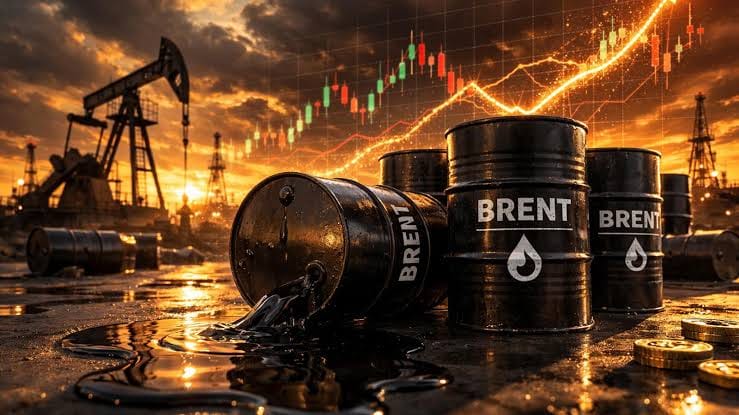
Brent crude neared $110 a barrel as diplomatic talks between Iran and Gulf states concerning the Strait of Hormuz were postponed. The deadlock, combined with regional pipeline shutdowns and Red Sea transit risks, has deepened global supply fears, escalating import costs and inflationary pressures for net-importing economies worldwide.
Global crude markets faced intense upward pressure on September 14, 2026, as negotiations between Iran and regional Gulf states regarding the safe passage of commercial vessels through the Strait of Hormuz were indefinitely postponed. The cancellation of the high-stakes diplomatic talks in Oman, combined with ongoing disruptions to critical pipeline infrastructure in Saudi Arabia and intensified skirmishes along Red Sea shipping lanes, has reignited fears of a severe global supply crunch. Energy analysts note that the prolonged friction in West Asia is forcing markets to price in a permanent risk premium, pushing fuel costs higher and raising immediate macroeconomic alarm bells for importing nations worldwide.
Geopolitical Strains and Delayed Negotiations
The immediate catalyst for the latest price rally was the decision by Omani mediators to postpone scheduled talks between Iran and Gulf Cooperation Council (GCC) delegates aimed at defusing maritime tensions. According to statements from the Iranian Foreign Ministry and regional officials, the meeting was delayed at the request of participating states to recalibrate security frameworks following a series of maritime attacks.
Concurrently, the strategic Strait of Hormuz—through which roughly 20 percent of global petroleum supplies normally transit—remains severely restricted. Compounding the supply squeeze, Saudi Arabia’s crucial East-West crude pipeline, which serves as an alternative overland route bypassing the Persian Gulf chokepoint, stayed temporarily shut following recent aerial drone strikes.
Market Response and Price Trajectory
On the Intercontinental Exchange, the November contract for Brent crude climbed over 4% during Monday's trading session, resting near $107 to $109 a barrel. Meanwhile, West Texas Intermediate (WTI) futures on the New York Mercantile Exchange advanced past $104 a barrel.
Financial institutions and energy research firms have rapidly revised their near-term forecasts. Major investment banks indicate that if transit blockages across Middle Eastern chokepoints persist through the upcoming quarters, international benchmarks could sustain triple-digit averages well into 2027, reversing earlier expectations of market normalization.
Impact on Global Consumers and Importing Economies
The surging cost of crude oil carries direct ramifications for domestic economies, transport sectors, and inflationary pressures worldwide. Net-importers like India—which procures upwards of 88% to 90% of its petroleum requirements externally—are witnessing an immediate expansion of their national import bills.
Economic data highlights that sustained energy inflation directly feeds into retail price indices, complicating monetary policy for central banks trying to balance cooling growth with soaring energy overheads. For everyday consumers, the escalation translates into steeper pump prices for gasoline and diesel, alongside secondary cost increases across freight, logistics, and manufactured goods.
Official Sources and Regulatory Frameworks
According to official statements released by regional foreign ministries, Omani mediation teams, and energy market regulators, security conditions in the Persian Gulf and the Bab el-Mandeb Strait remain highly volatile.
Organizers stated that diplomatic channels have not been completely abandoned, though the timing of future dialogue depends heavily on localized de-escalation and verifiable guarantees for commercial shipping safety. Regulatory filings and shipping association updates continue to monitor marine insurance premiums, which have spiked sharply for vessels navigating the troubled region.
"The postponement of diplomatic channels removes the week's primary de-escalation catalyst, leaving physical supply deficits exposed to uninterrupted geopolitical friction..."
Why It Matters
The deepening conflict and subsequent paralysis of key petroleum transport arteries demonstrate the fragility of modern energy supply chains. When critical maritime chokepoints like the Strait of Hormuz face prolonged disruptions, the resulting deficit cannot be easily offset by spare capacity elsewhere. This structural imbalance feeds directly into global headline inflation, threatens corporate profit margins across transport-heavy industries, and strains the fiscal balances of emerging market economies.
Key Facts at a Glance
Price Movement: Brent crude futures approached $110 a barrel, reflecting a sharp multi-percent intraday surge.
Diplomatic Stall: Oman postponed scheduled GCC-Iran talks intended to address safe navigation through the Strait of Hormuz.
Infrastructure Impact: Saudi Arabia's alternative East-West pipeline remained offline following security incidents, limiting export workarounds.
Economic Exposure: Major importing nations face widened trade deficits and accelerated domestic retail inflation due to escalating energy import bills.
Frequently Asked Questions
Why did Brent crude prices spike sharply on Monday?
Prices rallied after Oman announced the postponement of crucial talks between Iran and Gulf states regarding Strait of Hormuz security, coupled with ongoing closures of key regional pipelines.
What volume of global oil typically passes through the Strait of Hormuz?
Before the onset of the current regional conflicts, approximately 20 percent of the world's petroleum and liquefied natural gas supplies transited through the narrow waterway.
How are major importing countries affected by sustained $100+ oil?
Nations heavily reliant on imported hydrocarbons face inflated import bills, wider current account deficits, and upward pressure on domestic retail fuel and consumer price inflation.
Are diplomatic channels completely closed?
No. While the latest round of talks was delayed, regional mediators and participating governments have emphasized that diplomatic avenues remain open once appropriate security conditions can be established.
Source: Intercontinental Exchange Market Data, Omani Ministry of Foreign Affairs, Iranian Foreign Ministry Statements, S&P Global Energy Analytics, LiveMint Market Reports