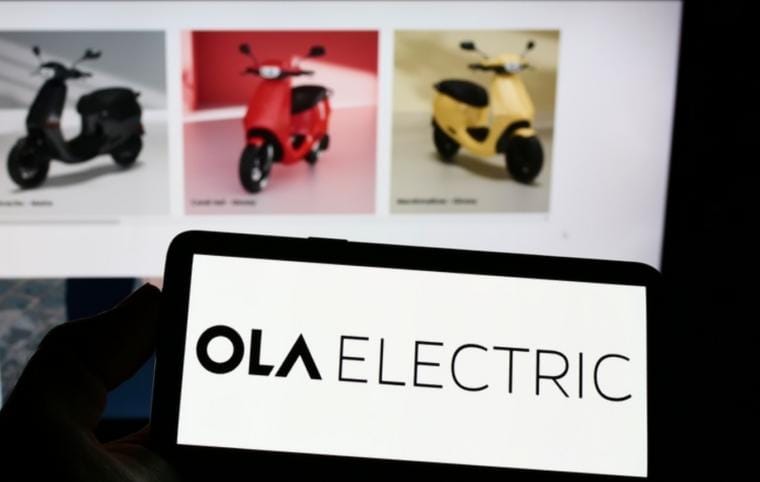
Ola Electric Mobility Limited signed a Memorandum of Understanding with Axis Energy for the potential supply of up to 20 GWh of utility-scale battery storage by 2032. Marking the first partner for its upcoming Ola Mahashakti platform, Ola Electric plans to ramp up annual storage deployment to 5 GWh from 2028.
BENGALURU — Indian electric vehicle manufacturer Ola Electric Mobility Limited announced on Wednesday, August 5, 2026, that it has signed a Memorandum of Understanding (MoU) with renewable energy developer Axis Energy for the potential deployment of up to 20 gigawatt-hours (GWh) of battery energy storage systems (BESS) by 2032. The development marks Ola Electric's formal entry into the commercial, industrial, and utility-scale energy storage market.
The agreement serves as the inaugural partnership for "Ola Mahashakti," the company's upcoming utility-scale energy storage platform, which is scheduled for official launch on August 15, 2026. Under the terms of the strategic framework, the deployment timeline includes a targeted ramp-up to 5 GWh annually starting in 2028. The announcement was formally communicated to domestic stock exchanges in regulatory disclosures submitted to BSE Limited and the National Stock Exchange of India (NSE).
Expanding Into Utility-Scale Energy Storage Markets
The partnership between Ola Electric and Axis Energy establishes utility-scale battery storage as a major new growth vector for the Bengaluru-headquartered manufacturer. Ola Electric plans to leverage its vertically integrated cell-to-system technology model, utilizing battery cell manufacturing capacity to supply large-scale grid storage projects.
Key highlights of the strategic deployment agreement include:
Target Capacity: Planned deployment of up to 20 GWh of battery storage capacity through 2032.
Annual Capacity Scaling: Projected ramp-up to 5 GWh per year beginning in 2028.
Platform Debut: The partnership provides early commercial validation for Ola Mahashakti ahead of its August 15 rollout.
System Integration: Utilization of an indigenously designed and manufactured cell-to-system architecture aimed at offering lower total cost of ownership and enhanced thermal safety.
Axis Energy's Project Pipeline and Grid Integration
Axis Energy, headquartered in Hyderabad, holds an extensive development portfolio of renewable energy installations across India, with over 1.5 GW of commissioned capacity and an active pipeline exceeding 8.5 GW. The developer has already secured grid interconnection approvals for over 3,750 MW of clean energy projects across Andhra Pradesh and Rajasthan, alongside an additional pipeline of 3,500 MW.
The integration of utility-scale energy storage systems is intended to support Firm and Dispatchable Renewable Energy (FDRE), solar-wind hybrid, and non-solar infrastructure setups. By deploying battery storage across its project portfolio, Axis Energy aims to mitigate renewable power intermittency, enhance overall grid reliability, and supply continuous round-the-clock clean electricity to industrial and commercial consumers.
Macroeconomic Context and India's Clean Energy Demand
The collaboration aligns with national targets to expand battery storage capacity across India's power grid. Official estimates from India's Central Electricity Authority (CEA) indicate that the country will require more than 400 GWh of energy storage integration by 2032 to successfully integrate expanding solar and wind generation assets into the national grid.
Ola Electric's expansion into utility-scale storage relies on localized research and development conducted at its Battery Innovation Centre (BIC) in Bengaluru, alongside production operations at the Ola Futurefactory in Tamil Nadu. The company aims to address domestic demand across renewable integration, power grid stabilization, industrial power supplies, and data center backup applications.
Official Sources Section
Details regarding the agreement were disclosed in an official corporate press release submitted to domestic stock exchanges by Abhishek Jain, Company Secretary and Compliance Officer at Ola Electric Mobility Limited. Joint project parameters were confirmed by executive management teams at both companies.
Quote Section
Executive leadership from both corporate entities emphasized the strategic importance of localized energy storage manufacturing for India's broader power transition.
Bhavish Aggarwal, Chairman and Managing Director of Ola Electric, stated:
"India will need energy storage at a massive scale and our vertically integrated cell-to-system platform enables us to deliver a stronger proposition across safety, performance and total cost of ownership. Axis Energy is our first large-scale partner and an important early validation of Mahashakti's potential."
Ravi Kumar Reddy Kataru, Chairman and Managing Director of Axis Energy Ventures, stated:
"As our renewable energy portfolio continues to expand, battery energy storage is quintessential to enabling reliable, round-the-clock clean power. This MoU marks an important step towards evaluating indigenous battery storage solutions that will support the next phase of our renewable energy growth."
Why It Matters
As India accelerates its transition toward renewable energy, the deployment of large-scale battery storage infrastructure is essential for grid stability and avoiding power disruptions during non-peak generation hours. For energy producers and utility operators, local cell-to-system manufacturing reduces reliance on imported energy storage hardware, securing long-term supply chains. For investors and industry observers, Ola Electric's diversification into utility-scale BESS creates a secondary revenue channel beyond its core consumer electric two-wheeler business.
Key Facts at a Glance
Partnership Scope: Strategic MoU signed between Ola Electric and Axis Energy for utility-scale battery storage.
Total Target Capacity: Potential deployment of up to 20 GWh of storage capacity by 2032.
Ramp-Up Schedule: Targeted scaling to 5 GWh annually starting in 2028.
Platform Name: First partnership under the upcoming "Ola Mahashakti" commercial and industrial storage platform.
National Requirement: Central Electricity Authority (CEA) estimates India will need 400+ GWh of energy storage by 2032.
Frequently Asked Questions (FAQ)
Q1: What is the main objective of the agreement between Ola Electric and Axis Energy?
The MoU outlines the potential deployment of up to 20 GWh of utility-scale battery energy storage systems (BESS) by 2032 to support renewable energy projects.
Q2: What is Ola Mahashakti?
Ola Mahashakti is Ola Electric's new energy storage platform designed for utility-scale, commercial, industrial, and data center applications, scheduled to launch on August 15, 2026.
Q3: When will the annual deployment of 5 GWh begin under this agreement?
The framework envisages scaling up energy storage system supply to 5 GWh annually starting in 2028.
Q4: How much energy storage capacity does India require by 2032 according to official projections?
According to estimates by the Central Electricity Authority (CEA), India will require over 400 GWh of battery energy storage capacity by 2032.
Source: Ola Electric Mobility Limited, National Stock Exchange of India (NSE), BSE Limited