Indian Railways has exceeded its initial goal of commissioning 100 Gati Shakti Multimodal Cargo Terminals (GCTs) ahead of the 2024-25 financial year deadline, signaling robust progress in modernizing the country’s freight infrastructure under the PM Gati Shakti initiative. With 112 terminal...
Indian Railways has exceeded its initial goal of commissioning 100 Gati Shakti Multimodal Cargo Terminals (GCTs) ahead of the 2024-25 financial year deadline, signaling robust progress in modernizing the country’s freight infrastructure under the PM Gati Shakti initiative. With 112 terminals commissioned so far, the Railways is well positioned to expand cargo handling capacity, enhance multimodal logistics, and reduce overall transportation costs, contributing to national economic efficiency.
Key Highlights: Exceeding Targets and Strategic Expansion
As per Railway Minister Ashwini Vaishnaw’s recent statement in Parliament, 112 Gati Shakti Cargo Terminals have come into operation, surpassing the original government objective of 100 terminals by March 2025.
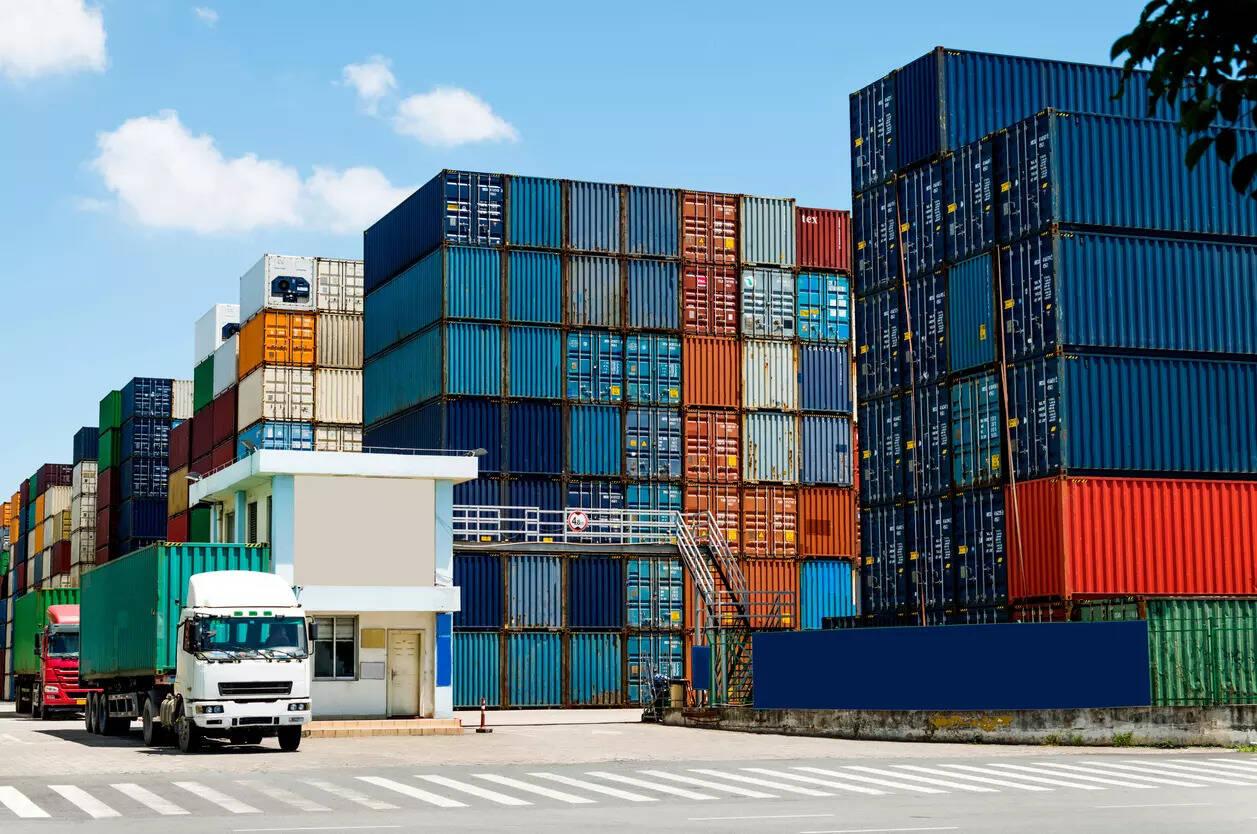
These terminals are designed to boost railways’ freight capacity by enabling seamless multimodal connectivity and containerization, supporting bulk cargo movement in commodities such as coal, cement, fertilizers, food grains, petroleum products, and automobiles.
The GCT infrastructure initiative aligns with Indian Railways' broader strategy to monetize unused railway land and encourage public-private partnerships (PPP), fostering substantial private investment and industry participation.
With the successful establishment of 100+ terminals, the government now plans to scale up the target to 200 terminals and beyond to meet growing cargo demands.
Infrastructure Investment and Policy Support
To date, Indian Railways has invested over Rs 5,374 crore in building and operationalizing Gati Shakti Cargo Terminals, reflecting significant capital infusion in freight infrastructure.
The government’s 2021 Gati Shakti Multimodal Cargo Terminal Policy simplified the application and approval process, allowed private and state-owned operators to set up common user terminals, and eased land license fee norms to incentivize development.
New land leasing policies permit railway properties to be leased for up to 35 years at favorable terms, ensuring long-term operational stability and attracting logistics, warehousing, and container train operators.
The expansion includes terminals developed on private land as well as those integrated with dedicated freight corridors (Western and Eastern DFCCIL), positioning India’s rail freight system for higher throughput and efficiency.
Operational Impact and Freight Priorities
The terminals collectively have handled over 301.7 million tonnes of cargo since commissioning, demonstrating immediate operational impact and strengthening railways’ role as India’s largest freight transporter.
Focus remains on transporting weight-intensive goods such as coal and cement on dedicated freight trains while increasing containerization of volume cargo like electronics and textiles for quicker turnaround and better handling.
Enhanced multimodal connectivity facilitated by these terminals aims to integrate road, rail, and possibly water and air, reducing logistics costs which currently constitute about 13% of India’s GDP.
Industry stakeholders including real estate developers, third-party logistics players, and container train operators actively participate in terminal development, signaling growing confidence in India’s freight ecosystem.
Future Outlook: Ambitious Targets and National Logistics Goals
Indian Railways plans to develop approximately 500 multimodal cargo terminals over the next five years with an estimated investment of Rs 50,000 crore to support the PM Gati Shakti mission’s objectives.
The next three years envision scaling up to 200 terminals, making freight corridors more productive and promoting faster goods movement across regions.
Integration of digital infrastructure such as fibre IT networks alongside rail lines will enhance terminal operations, tracking, and scheduling.
The Dedicated Freight Corridor Corporation of India (DFCCIL) continues to facilitate terminal development along freight corridors, with over 50 stations identified as ideal GCT sites and several terminals scheduled for commissioning in coming years.
Conclusion
Indian Railways’ early achievement in exceeding the Gati Shakti Multimodal Cargo Terminals target highlights a transformational shift in India’s freight logistics capabilities. By building a modern, integrated, and scalable terminal network, the Railways enhances cargo capacity, accelerates containerization, and supports economic growth while addressing critical logistics cost challenges. The continued expansion and investment under the PM Gati Shakti program promise an efficient, multimodal freight ecosystem that will underpin India’s supply chain competitiveness and industrial development for years to come.
Sources: Economic Times, The Times of India