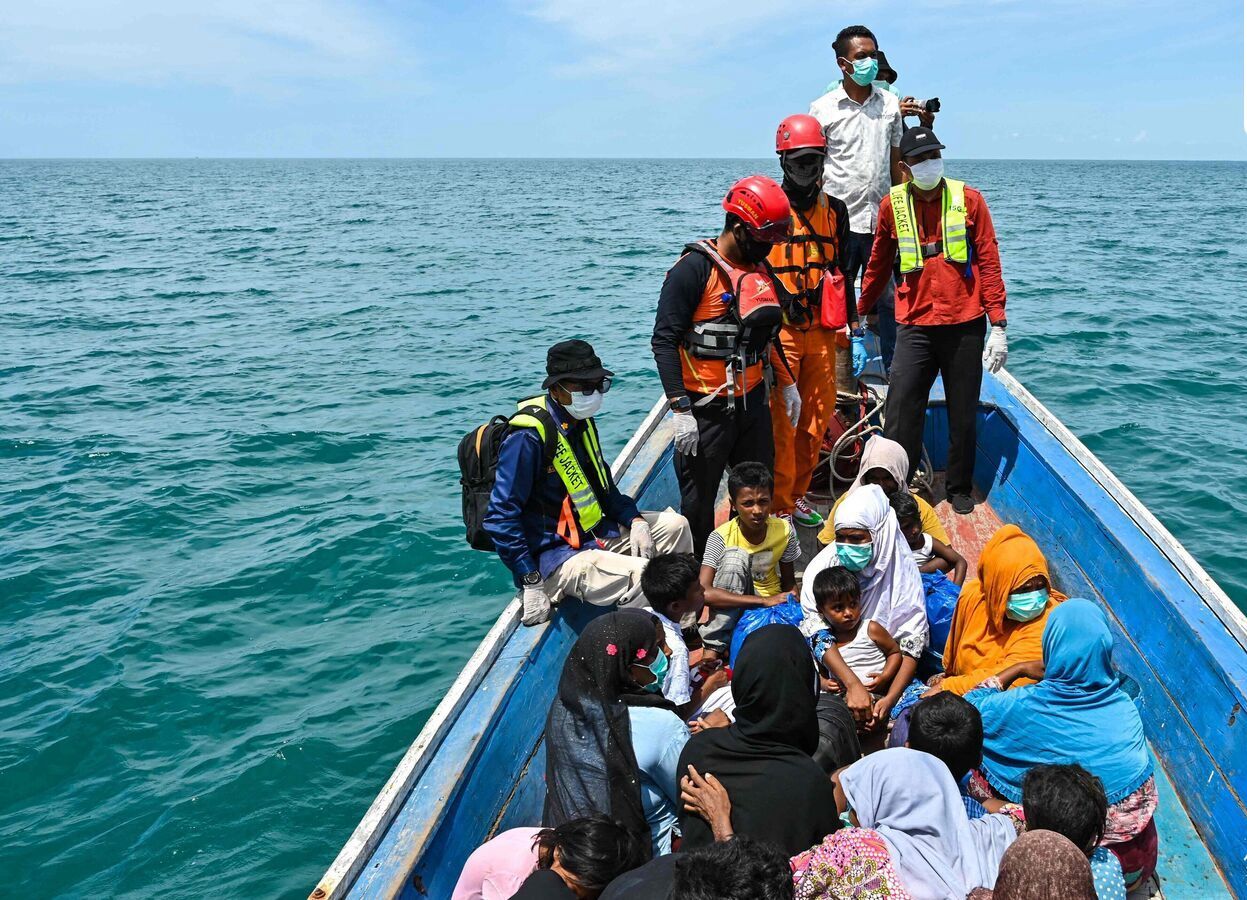
Legal analysts and policy experts have reignited calls for India to establish a comprehensive domestic refugee protection framework. Despite a long tradition of sheltering displaced populations, India operates largely outside formal international conventions like the 1951 UNHCR treaty, relying instead on ad-hoc executive measures that experts argue create administrative vulnerabilities.
Policy analysts and legal experts emphasize the growing need for a structured domestic legal framework to manage forced migration and asylum seekers in India.
As global displacement figures reach unprecedented highs, policy debates surrounding immigration, humanitarian obligations, and national security have intensified across South Asia. Despite maintaining a decades-long tradition of hosting millions of refugees from neighboring conflicts, India still lacks a dedicated domestic refugee statute or a formal statutory framework for asylum. Instead, the management of displaced populations relies heavily on discretionary executive measures and provisions under the Foreigners Act. According to policy analyses and expert commentaries published in financial and legal journals, this lack of standardized codification creates significant administrative ambiguities, urging policymakers to formulate a balanced, codified refugee protection plan.
The Legal Vacuum and Ad-Hoc Governance
Historically, India has demonstrated remarkable humanitarian responsiveness by welcoming waves of refugees from Tibet, Bangladesh, Sri Lanka, and Afghanistan. However, because India is neither a signatory to the 1951 UN Refugee Convention nor its 1967 Protocol, refugees and asylum seekers are technically classified under the same legal umbrella as foreign tourists or illegal immigrants.
Legal scholars point out several systemic challenges stemming from this absence of explicit domestic legislation:
Executive Discretion: The handling of different refugee groups depends largely on ad-hoc government policies rather than consistent statutory benchmarks.
Lack of Uniform Documentation: Asylees frequently encounter difficulties in securing formal identity papers, work permits, and access to institutional banking or healthcare services.
Security vs. Humanitarian Balance: Without clear legal definitions separating economic migrants from persecuted asylum seekers, security agencies face complex monitoring hurdles.
Balancing National Security and Humanitarian Commitments
Critics and security strategists argue that any formal refugee framework must be strictly anchored in robust national security safeguards. A structured asylum law would allow state authorities to systematically vet applicants, distinguish genuine asylum seekers from security threats, and maintain orderly border management. Furthermore, legal experts note that establishing a predictable domestic framework would align India's humanitarian reputation with modern international standards, providing clear guidelines for state governments, civil society organizations, and law enforcement agencies.
Why It Matters
For lawmakers, security agencies, and civil society, transitioning from ad-hoc executive directives to a formal legislative framework for refugees would ensure greater legal certainty. It would protect vulnerable displaced populations while strengthening state oversight, preventing illegal infiltration, and upholding international human rights standards.
Key Facts at a Glance
Current Status: India is not a signatory to the 1951 UN Refugee Convention or its 1967 Protocol.
Existing Framework: Displaced persons are primarily governed by the general provisions of the Foreigners Act.
Core Challenge: Absence of a unified domestic statute creates legal ambiguities in documentation and welfare access.
Expert Consensus: Analysts advocate for a balanced statutory framework combining humanitarian protection with strict national security checks.
FAQ Section
Why doesn't India sign the 1951 UN Refugee Convention?
India has traditionally maintained that international conventions do not adequately address specific regional security dynamics, porous borders, and unique geopolitical realities in South Asia, preferring bilateral and domestic management instead.
How are refugees currently managed in India?
Refugees are managed through discretionary executive decisions, with different groups receiving varying levels of administrative recognition and welfare access under the Foreigners Act.
What are the main benefits of a dedicated refugee law?
A codified law would provide uniform legal definitions, streamline documentation for asylum seekers, ensure better security vetting, and eliminate administrative inconsistencies.
Where can readers find detailed analyses on India's migration policies?
Comprehensive commentary and expert policy discussions are accessible via Livemint Online Views.
Source: Livemint Online Views, UNHCR Official Portal