A national connectivity report reveals that over 27% of Indian households remain completely offline, despite mobile phone penetration reaching 95%. Driven by high data costs and low digital literacy, this persistent digital divide cuts millions of citizens off from essential e-governance systems, digital banking, and modern educational platforms.
NEW DELHI — A major national connectivity report released on June 5, 2026, reveals that over 27% of Indian households remain completely offline, despite the country achieving a 95% mobile network penetration rate. The extensive cross-sectional study maps the deep infrastructural and economic contradictions governing India's modern telecommunications ecosystem. Industry analysts emphasize that this data arrives at a critical turning point for federal policymakers, as the persistent digital divide continues to lock more than a quarter of the population out of online banking, e-governance portals, and remote educational platforms.
Mapping the Complex Realities of India's Digital Divide
The comprehensive report highlights a stark contrast between raw hardware access and actual household internet utilization. While telecommunications infrastructure has successfully expanded to place a mobile handset in nearly 95% of domestic environments, over 27% of Indian households remain disconnected from any functional internet service. This baseline data indicates that having a mobile network signal does not automatically translate into household digital inclusion.
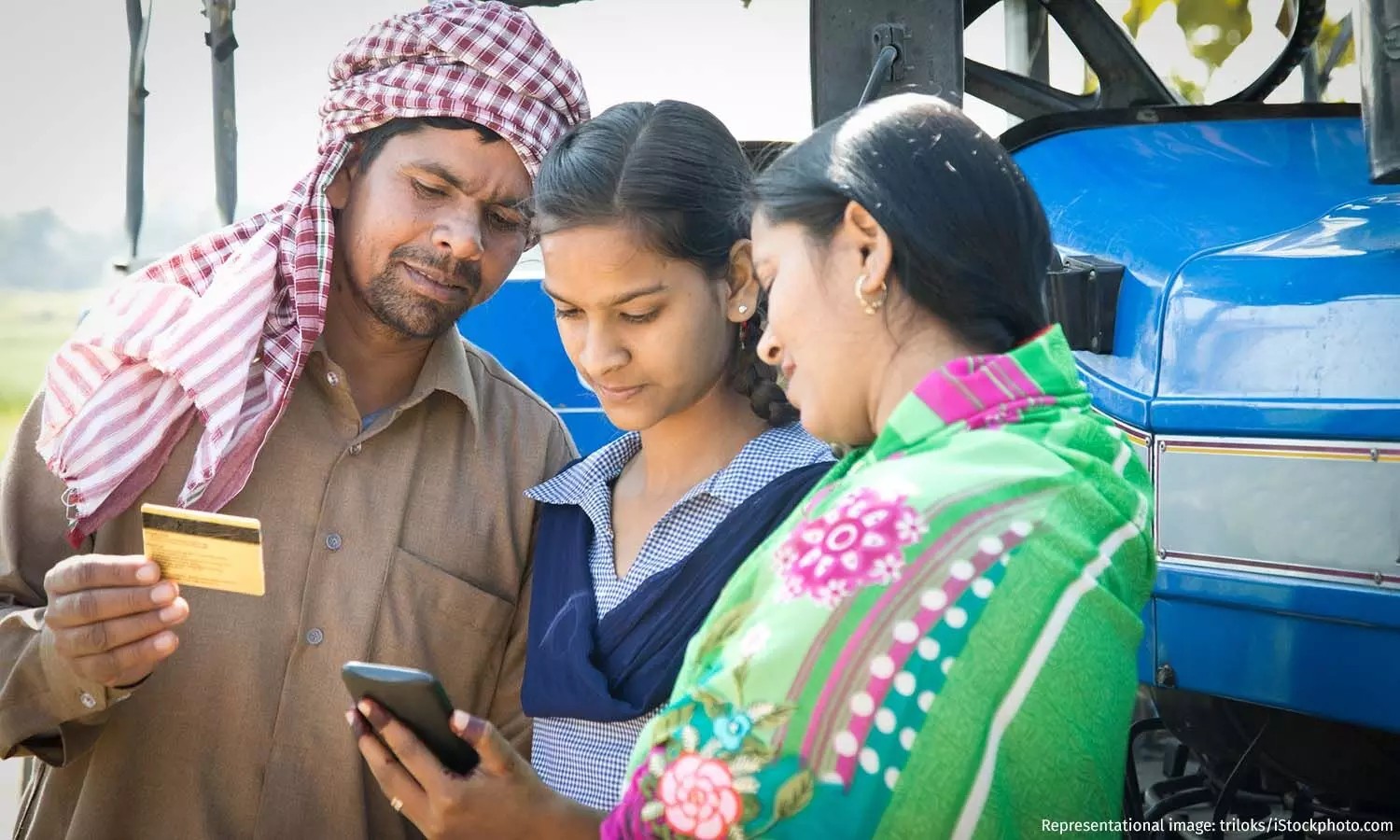
According to data compiled by regional research teams, the digital divide is heavily influenced by geography and household income. In rural sectors, the number of completely offline households climbs significantly higher than the national average. Conversely, Tier-1 metropolitan centers show much lower numbers of disconnected residents. The study shows that while basic, low-cost feature phones are widely used across the country, high data tariff costs and a lack of digital literacy prevent millions of families from upgrading to smartphone platforms or setting up fixed-line broadband connections.
Socio-Economic Barriers to Consistent Digital Inclusion
The research teams identified that the primary barriers preventing offline households from participating in the internet market are economic rather than structural. In many rural communities, the recurring monthly cost of an active high-speed data subscription is still a major financial burden for low-income families. Furthermore, a significant gender gap in device ownership and limited localized language content continue to keep a large percentage of citizens from utilizing web services, even when their homes are well within the coverage zone of modern 4G and 5G cellular towers.
Structural Impact on Public Services and Corporate Markets
The stubborn persistence of the digital divide affects several layers of the Indian economy, impacting everything from government services to consumer tech markets. For ordinary citizens trapped on the wrong side of the digital divide, missing out on internet access makes it difficult to engage with modern public welfare networks. Essential services, such as direct benefit cash transfers, digital healthcare scheduling, and national employment applications, are increasingly managed through online platforms, leaving offline communities at a structural disadvantage.
For major telecommunications companies and digital tech firms, this 27% offline bracket represents a massive, untapped consumer market. However, reaching these homes requires a shift away from high-end corporate services toward low-cost data plans and affordable entry-level devices. For stock market investors monitoring major telco shares, the report outlines the long-term capital investments companies must make to convert basic voice subscribers into active, data-consuming web users.
Official Sources Section
The underlying data metrics and household connection figures are compiled through public welfare research boards and infrastructure monitoring groups. Telecommunications spectrum licensing, infrastructure rollouts, and rural connectivity initiatives are governed under the oversight of the Department of Telecommunications (DoT) and the Telecom Regulatory Authority of India (TRAI). Corporate performance disclosures and market development updates from listed telecom firms are handled via BSE Limited and the National Stock Exchange of India Limited.
Quote Section
Evaluating the policy directions needed to close the connectivity gap, administrative research organizers called for updated public private partnerships.
"According to officials from the regional digital infrastructure teams, having a mobile phone signal is no longer the sole benchmark for national development," a lead researcher stated. "Organizers stated that unless targeted state subsidies are introduced to make home data packages more affordable, the digital divide will continue to create long-term economic imbalances between urban tech centers and rural communities."
Why It Matters
The practical implications of over 27% of Indian households remaining offline are directly tied to the country's economic mobility goals. When a quarter of the population lacks consistent web access, the rollout of digital public infrastructure faces natural limits. This dynamic forces local governments to maintain expensive, paper-based administrative systems alongside modern digital platforms. Bridging this digital divide is essential to unlocking equitable growth, enabling rural micro-enterprises to reach national e-commerce networks, and ensuring every student can access online educational resources.
Key Facts at a Glance
The Disconnect: Over 27% of Indian households continue to live completely offline without any internet access.
Network Strength: Mobile network penetration has reached an impressive 95%, showing that physical coverage is widely available.
Economic Hurdles: High data subscription costs and low digital literacy are identified as the main drivers behind the digital divide.
Welfare Limitations: Disconnected households face growing hurdles as public welfare programs transition exclusively to online delivery systems.
FAQ Section
Why is the digital divide still so wide when mobile penetration is at 95%?
While 95% of households have access to a basic mobile network or a feature phone for voice calls, many families cannot afford the smartphones or data plans required to actually browse the internet.
Which areas are most affected by this household connectivity gap?
The digital divide is most prominent in rural farming communities and low-income urban neighborhoods, where internet access is often limited by high costs and low digital literacy.
What steps can be taken to bring these offline households online?
Key solutions include reducing data tariff prices for entry-level packages, expanding public Wi-Fi networks in rural villages, and launching localized digital literacy training programs for citizens.
Source: National Connectivity Infrastructure Reports, Telecom Regulatory Authority of India (TRAI)