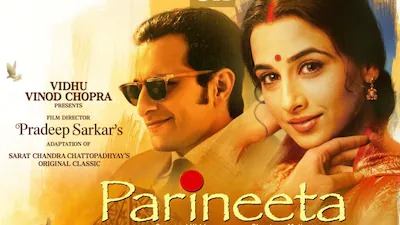
As Parineeta celebrates two decades since its release, a fresh wave of viewers from Generation Z has revisited this Bollywood classic with a critical eye. While the film continues to captivate with its timeless portrayal of love, class, and sacrifice, Gen Z viewers find its depiction of gender ro...
As Parineeta celebrates two decades since its release, a fresh wave of viewers from Generation Z has revisited this Bollywood classic with a critical eye. While the film continues to captivate with its timeless portrayal of love, class, and sacrifice, Gen Z viewers find its depiction of gender roles, patriarchal attitudes, and toxic masculinity deeply problematic. This nuanced review unpacks why Parineeta remains a cinematic gem yet also a reflection of regressive social norms that demand reflection in 2025.
Key Takeaways From A Gen Z Lens On Parineeta
Parineeta’s heroine, Lolita, played by Vidya Balan, embodies resilience and dignity but is framed primarily by her marital prospects, something that rubs Gen Z the wrong way.
Her strength is quiet and sacrificial rather than vocal or confrontational, reflecting traditional “good girl” archetypes rather than modern feminism.
Shekhar, the male lead, exhibits behaviors now recognized as red flags: jealousy, emotional volatility, and patriarchy, which clash with present-day gender equality values.
The dramatic climax where Shekhar literally breaks down a wall to “claim” Lolita is seen as outdated and borderline cringe by younger audiences.
Patriarchal and misogynistic language in the film, including casual use of slurs and transphobic remarks, adds to the problematic elements.
Despite this, the film does not glamorize these moments but exposes toxic social structures, offering raw honesty that remains relevant.
The role of Girish (Sanjay Dutt), an older male benefactor, raises questions about agency and women being passed among male guardians, a trope that unsettles Gen Z viewers.
Parineeta’s soundtrack and cinematography retain their charm and emotional depth, resonating even with younger audiences.
The film encapsulates the tension between India’s deep-rooted conservatism and the progressive ideals challenging it today.
Why Parineeta’s Marital Framing Feels Outdated
The very title “Parineeta” meaning “married woman” signals a defining aspect of the protagonist’s identity tied to marriage. For Gen Z audiences growing up questioning traditional gender prescriptions, this is a glaring limitation.
-
Lolita’s journey is heavily influenced by societal expectations of marriage and submissiveness.
-
Modern perspectives emphasize autonomy and self-definition beyond marital status.
-
The film captures a poignant historical reality but clashes with the aspirations of an independent, empowered new generation.
Shekhar’s Character: From Romantic Lead To A Red Flag
-
Shekhar’s actions—marked by jealousy, indecisiveness, and entitlement—mirror toxic relationship dynamics that Gen Z openly critiques.
-
His controlling behavior and public dramatics alienate viewers attuned to healthy, respectful partnerships.
-
The wall-breaking scene symbolizes patriarchal dominance rather than passion, sparking discomfort.
This shift in perception reveals changing norms about masculinity, consent, and emotional health.
The Patriarchal Language And Its Impact
-
Words matter, and the film’s use of misogynistic and transphobic slurs is hard to reconcile for a generation prioritizing inclusivity and respect.
-
These moments are jarring yet provide a mirror to societal attitudes of the early 2000s.
-
The film’s refusal to sanitize these aspects can be viewed as courageous documentation or offensive perpetuation depending on viewer sensibilities.
The Enduring Magic Of Music And Storytelling
-
Despite critiques, Parineeta’s music composed by Shantanu Moitra retains timeless appeal.
-
Songs like Piyu Bole and Kaisi Paheli Zindagani continue to evoke emotions across age groups.
-
The film’s narrative layering with themes of class struggle and love remain compelling.
Balancing Tradition And Progress
-
Parineeta stands both as a cultural touchstone and a reminder of evolving social values.
-
It invites dialogue on how cinema reflects and shapes societal attitudes towards women and relationships.
-
Gen Z’s mixed reception underscores India’s ongoing journey reconciling heritage with modernity.
Summary Of Gen Z Perspectives On Parineeta At 20
-
Celebrated for its stellar performances, music, and portrayal of complex emotions.
-
Critiqued for reinforcing dated gender norms and toxic masculinity.
-
Viewed as both a cinematic gem and a “problematic fave” for contemporary viewers.
-
Represents the nuanced tension between India’s past traditions and present aspirations.
Sparks vital conversations on women’s empowerment, consent, and social progress.
In conclusion, watching Parineeta today is like unveiling a beautiful yet flawed artifact—cherished for its artistry but confronted with critical introspection. Gen Z audiences may wrestle with its inherent contradictions but ultimately acknowledge its role in igniting essential conversations about love, identity, and power.
Sources: NDTV, Indian Express, Times of India, India Today