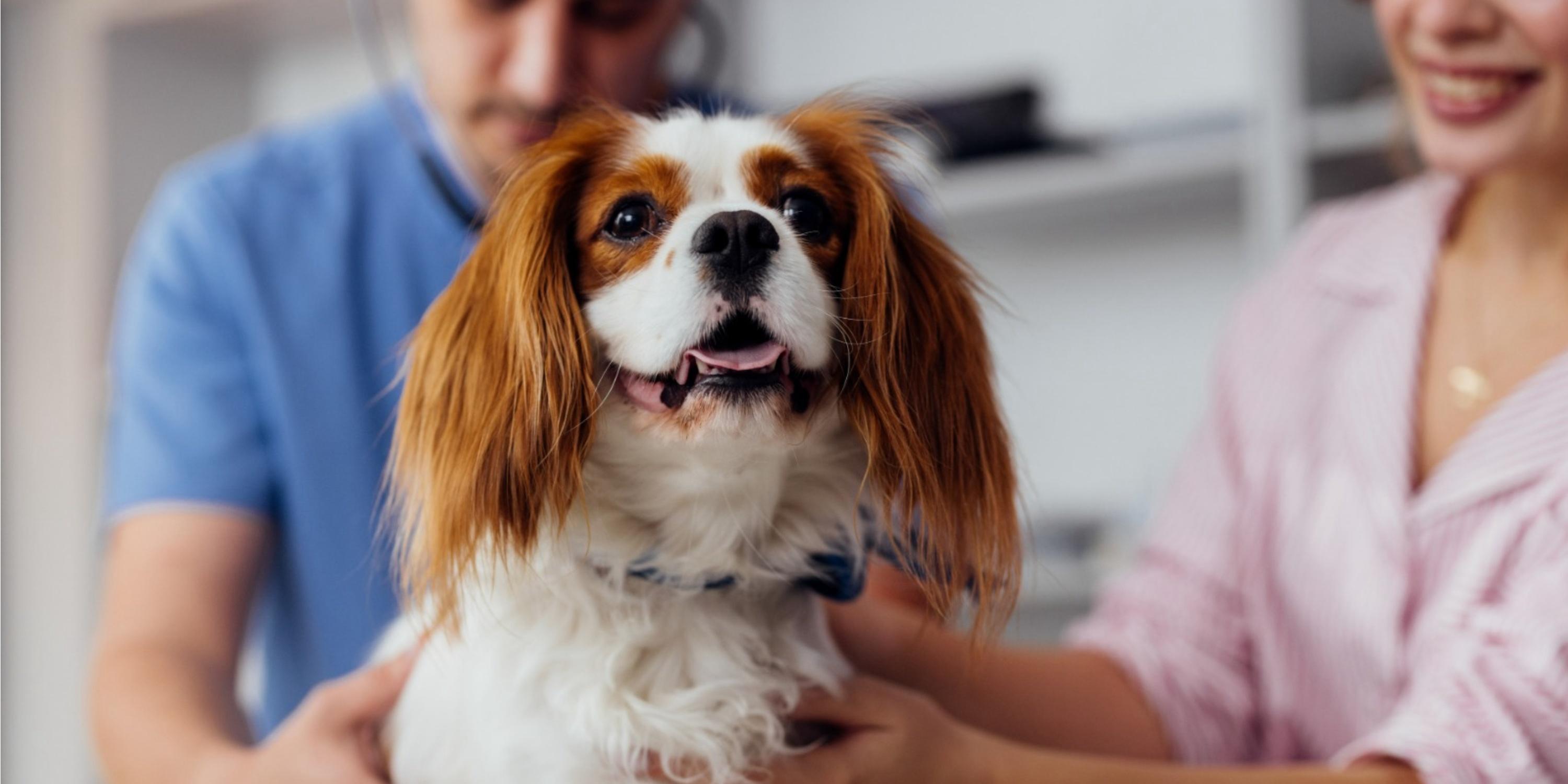
The monsoon season presents significant health risks for pets, including fungal infections, leptospirosis, and tick infestations. To ensure animal well-being, veterinarians recommend thorough drying after walks, avoiding stagnant water, maintaining a dry living environment, and verifying that all seasonal vaccinations are up-to-date to prevent serious infectious diseases.
As heavy rains arrive, pet owners must adapt their care routines to mitigate seasonal health risks for dogs and cats across India.
NEW DELHI — The arrival of the monsoon season brings a specific set of environmental challenges for household pets, requiring proactive adjustments to prevent common seasonal ailments. Veterinary professionals have issued updated guidelines for the 2026 rainy season, emphasizing that high humidity and waterlogged streets significantly increase the risk of fungal infections, tick infestations, and gastrointestinal issues in both dogs and cats.
As the monsoon continues to intensify across various regions, veterinarians report a notable uptick in cases related to skin irritation, leptospirosis, and digestive distress. Experts suggest that maintaining a strict hygiene protocol and modifying outdoor exercise schedules are critical to ensuring the long-term well-being of pets during this period.
Preventing Skin and Coat Complications
High humidity levels are the primary cause of dermatological issues in pets during the monsoon. Moisture trapped in a pet's coat creates an ideal breeding ground for bacteria and yeast, leading to hot spots, skin folds infections, and persistent itching.
"Pet owners must ensure their animals are thoroughly dried after any exposure to rain," notes the Indian Veterinary Association (IVA). If a pet gets wet, owners should use highly absorbent towels or a low-heat hairdryer to reach the undercoat, particularly in breeds with thick fur. Additionally, consistent grooming—including regular brushing—helps identify early signs of fungal growth or parasitic activity, such as ticks and fleas, which thrive in damp conditions.
Managing Dietary and Environmental Risks
The monsoon season also necessitates heightened vigilance regarding water quality and food safety. Stagnant water sources in parks and street gutters can harbor the bacteria responsible for leptospirosis, a severe zoonotic disease that can affect both pets and humans. Veterinarians strongly advise keeping pets on a leash during outdoor walks to prevent them from drinking from puddles or interacting with potentially contaminated water.
Furthermore, domestic environments require climate control. Persistent dampness inside homes can lead to respiratory issues. Experts recommend using dehumidifiers or ensuring adequate ventilation in areas where pets sleep to maintain a dry environment.
Veterinary Protocols and Seasonal Vaccinations
Ensuring that a pet’s vaccination schedule is current remains the most effective defense against monsoon-related illnesses. Specifically, the vaccine for leptospirosis is often recommended for dogs that are frequently walked in urban environments.
In addition to vaccinations, vets suggest a seasonal check-up for ear infections. Moisture entering the ear canal during rain or humid weather can lead to painful inflammation. Owners should look for symptoms such as excessive head shaking, foul odors, or redness, and consult a clinic immediately if these signs appear.
Why It Matters
For pet owners, understanding these risks is essential to avoiding costly emergency veterinary visits. By implementing preventative measures—such as drying the undercoat, avoiding stagnant water, and maintaining up-to-date vaccinations—owners can significantly reduce the burden of seasonal diseases on their animals. These practices are not just about comfort; they are critical components of responsible pet stewardship that prevent the spread of infectious diseases.
Key Facts at a Glance
Moisture Management: Thoroughly drying a pet’s undercoat after outdoor exposure prevents fungal growth.
Leptospirosis Awareness: Avoid allowing pets to drink from or walk through stagnant water in parks and streets.
Parasite Control: Ticks and fleas flourish in monsoon conditions; consult a vet for appropriate seasonal preventative treatments.
Vaccination Status: Ensure the leptospirosis vaccine is updated, as it is the most common serious monsoon-related infection.
FAQ
How can I keep my pet's paws safe during the monsoon?
Always wipe your pet's paws with an antiseptic solution or plain water after every walk to remove mud, debris, and potential pathogens trapped between their toes.
Should I change my pet's diet during the rainy season?
While a full dietary overhaul isn't necessary, ensure food is stored in airtight containers to prevent moisture-induced mold growth, and monitor your pet for any signs of digestive upset.
Why does my pet scratch more during the monsoon?
Increased humidity creates a moist environment on the skin, which encourages yeast and bacteria to grow. If scratching persists, consult a vet for a professional dermatological assessment.
Source: Indian Veterinary Association, The Hindu, Times of India