The emergence of peace in West Asia is projected to rapidly boost the order book of Indian exporters by clearing maritime gridlocks in the Strait of Hormuz. According to FIEO, stabilizing geopolitical conditions have pulled Brent crude down to $78, lowering production costs while firmly anchoring the rupee's exchange value.
NEW DELHI — In a major development for international trade, the emerging peace in West Asia is projected to trigger an immediate revival in the order book of Indian exporters while significantly driving down industrial input costs. Speaking on June 18, 2026, the apex trade body, the Federation of Indian Export Organisations (FIEO), announced that the cessation of the 107-day military conflict between the United States and Iran will provide critical macroeconomic relief. The formal breakthrough—culminating in a historic peace agreement scheduled to be signed on June 19 in Switzerland—is expected to completely reverse the severe logistical disruptions that have suppressed India's trade volume with the Middle East since late February.
Logistical Bottlenecks Unclog as Global Chokepoints Reopen
The severe escalation of regional hostilities on February 28, which involved joint military operations near the Persian Gulf, directly paralyzed India's western maritime corridors. According to official data from the Ministry of Commerce and Industry, India’s outbound merchandise shipments to the Middle East cratered by 57.95% to $3.5 billion in March alone, as maritime transit ground to a near-halt.
To evade active combat zones, commercial shipping lines were forced to abandon traditional short routes and instead undertake massive maritime detours around the Cape of Good Hope. Encircling the entire African continent added nearly 15 to 20 days to delivery timelines. Under the newly established diplomatic framework, the immediate reopening of the critical Strait of Hormuz will allow cargo vessels to resume standard paths, slicing transport delays and restoring normal turnaround efficiency for manufacturing firms.
Falling Crude Prices Soften Domestic Manufacturing Margins
Beyond resolving severe delivery delays, peace in West Asia is directly deflating the geopolitical risk premium that has penalized Indian factory margins for nearly four months. As an economy structurally reliant on foreign energy to fulfill more than 85% of its crude oil requirements, India's domestic manufacturing ecosystem remains highly sensitive to Middle Eastern stability.
The outbreak of war had rapidly pushed international Brent crude prices well north of $100 per barrel, triggering aggressive domestic wholesale inflation. Following the confirmation of the peace framework, global Brent benchmarks corrected sharply down toward the $78 per barrel threshold. FIEO officials noted that this energy cooling immediately slashes the national import bill, minimizes fuel-led operating expenses, and expands margins for heavily crude-dependent outbound sectors, including plastics, chemicals, and engineering commodities.
Currency Stabilization Anchors Long-Term Trade Contracts
The ripple effects of the geopolitical de-escalation have simultaneously cascaded into domestic financial markets, providing a vital lift to the Indian Rupee (INR). Lower energy prices have fundamentally eased the persistent dollar-demand pressures exerted by domestic oil refining conglomerates on local exchange desks.
Supported by a concurrent resurgence of foreign institutional capital inflows, the Indian Rupee has reclaimed a firm footing, strengthening down toward the 94.00 to 94.50 range against the US Dollar. For regional trading houses, this newfound currency predictability reduces volatile hedging costs and eliminates the wild valuation swings that typically erode the profitability of fixed, long-term supply contracts. The reduction in the national Current Account Deficit (CAD) provides additional fiscal maneuvering room for the domestic economy.
Official Sources Section
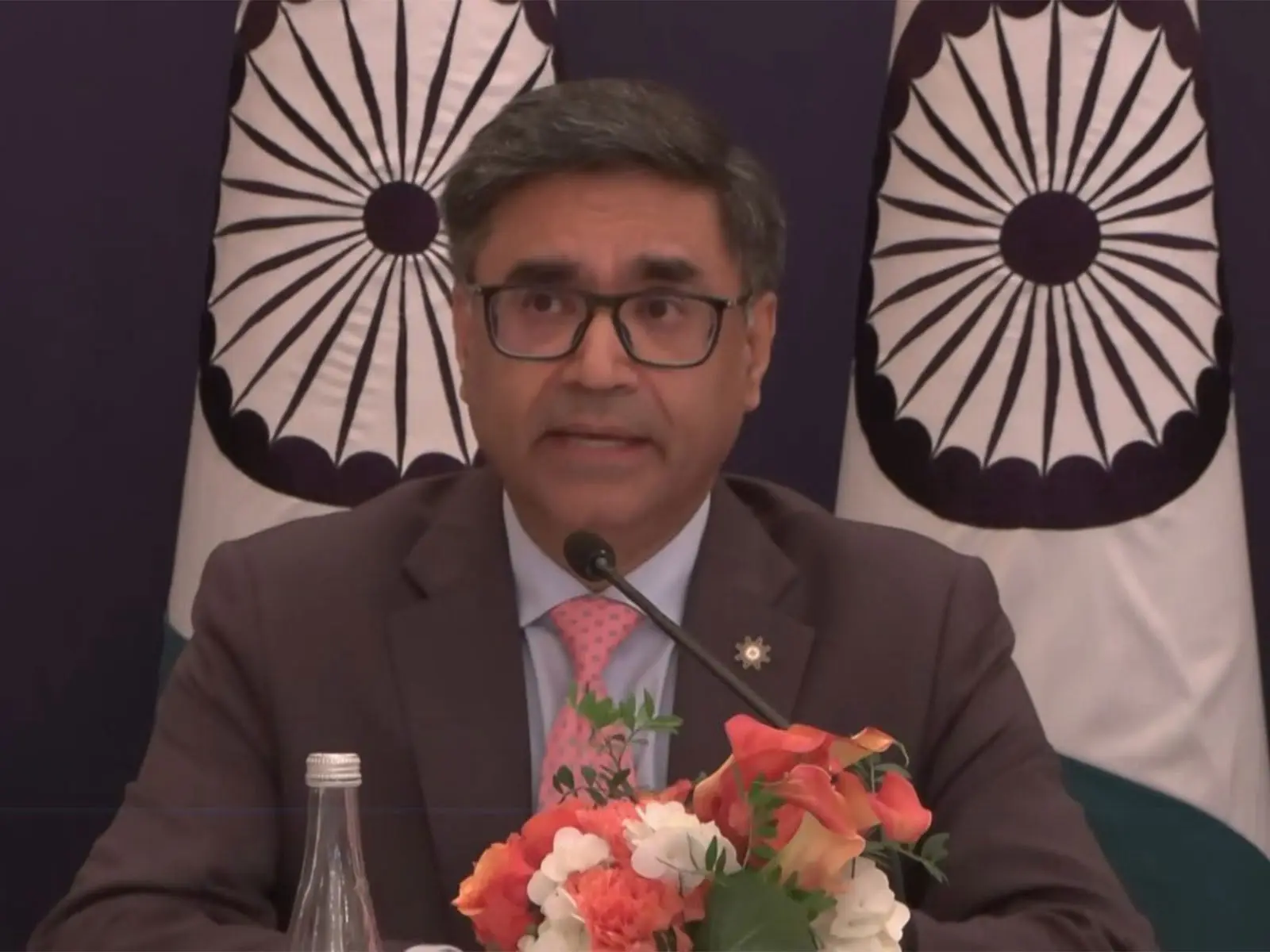
The export statistics, regional trade volumes, and financial indices cited in this report are compiled from official corporate statements released by the Federation of Indian Export Organisations (FIEO), monthly trade ledgers published by the Department of Commerce, and diplomatic updates broadcast by Foreign Secretary Vikram Misri during official Union press briefings.
Quote Section
"With the cessation of hostilities and the broader economic integration of the region, we anticipate an immediate and robust revival in order books," stated FIEO President S.C. Ralhan. "Exporters were previously crushed by exorbitant freight fees and prohibitive war-risk insurance premiums. Normalization will slash these overheads, ensuring smoother, faster, and remarkably cheaper transit times to West Asia and European destinations."
Why It Matters
The return of stability to West Asia directly secures India's vital economic links to its third-largest global trading partner, the United Arab Emirates, alongside key partners across the Gulf Cooperation Council (GCC). By removing predatory emergency surcharges and opening up standard supply lanes, the diplomatic resolution prevents prolonged capital erosion for small and medium enterprises. This trade normalization provides a strong runway for Indian manufacturing hubs to accelerate their international shipments and support domestic growth objectives.
Key Facts at a Glance
Trade Recovery: The return of peace in West Asia is officially expected to swiftly revive the order book of Indian exporters and expand bilateral trade volumes.
Logistical Relief: Reopening the Strait of Hormuz eliminates the costly Cape of Good Hope maritime detour, heavily reducing transit times.
Cost Deflation: International Brent crude prices have dropped back down toward $78 per barrel, lowering raw input costs for chemical and plastic sectors.
Currency Support: The Indian Rupee has strengthened significantly into the 94.00–94.50 zone per US dollar as oil-driven dollar demand eases.
Severe Impact Reversed: The resolution effectively ends disruptions that caused an unprecedented 57.95% drop in India's Middle East exports during March.
FAQ Section
1. How did the West Asia conflict impact the order book of Indian exporters?
The military hostilities triggered severe logistics backlogs, forced ships to take a longer route around Africa, and caused a steep drop in new export orders. The lack of vessel predictability caused India's exports to the Middle East to plunge by nearly 58% in March.
2. Why does peace in West Asia lower shipping costs for Indian businesses?
The cessation of war allows shipping lines to safely use the Strait of Hormuz instead of undertaking long detours. This direct path completely eliminates emergency war-risk insurance premiums and opportunistic port surcharges, reducing total freight fees.
3. Which specific Indian export sectors will benefit the most from this development?
The primary beneficiaries include core commodity sectors such as engineering goods, refined petroleum products, agricultural cereals, chemicals, pharmaceuticals, plastics, and gems and jewelry, which all maintain heavy consumer demand across Gulf nations.
4. How does the US-Iran peace deal affect the value of the Indian Rupee?
Because India imports the vast majority of its crude oil from West Asia, cheaper oil prices mean Indian refiners need fewer US dollars to buy fuel. This reduced dollar demand, combined with foreign investment, strengthens and stabilizes the Indian Rupee.
Source: Official trade consensus reports and corporate briefings published by the Federation of Indian Export Organisations in conjunction with bilateral shipment data from the Ministry of Commerce.