The non-campus IITM BS programme crossed a historic milestone on June 18, 2026, awarding degrees and diplomas to 1,460 graduates. Catering to over 42,000 active learners, the inclusive initiative provides high-quality tech education in data science and electronic systems across diverse economic backgrounds.
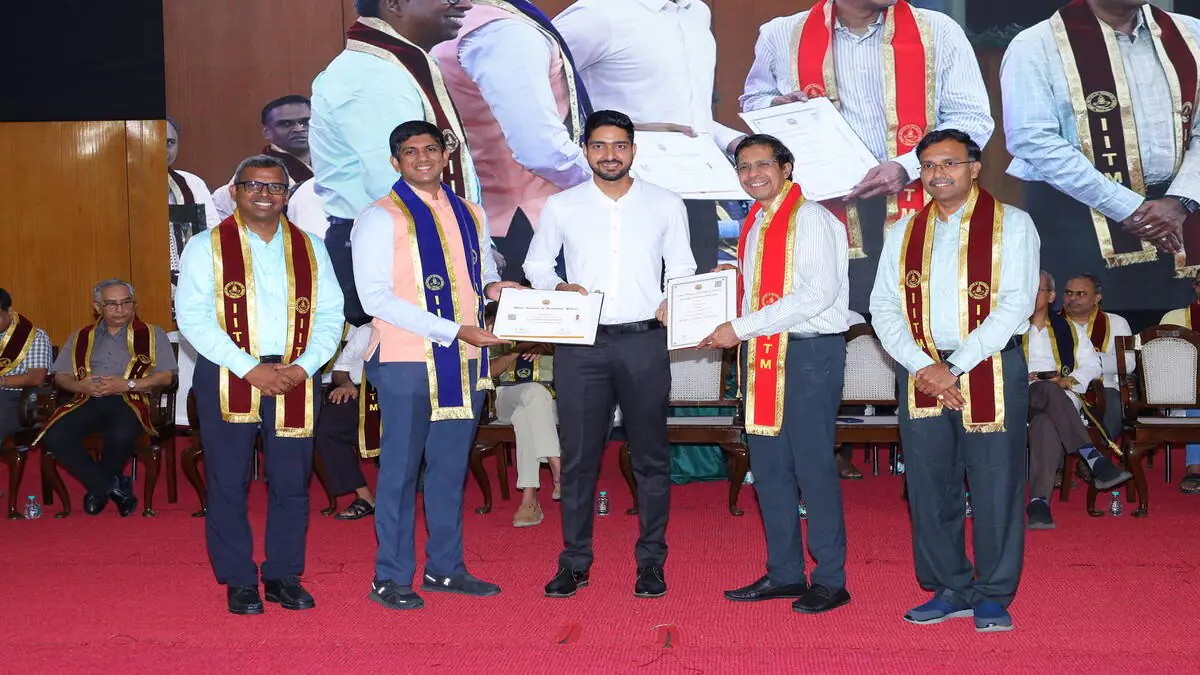
CHENNAI, India — On June 18, 2026, the Indian Institute of Technology Madras (IITM) reached a major milestone in democratic higher education as 1,460 learners successfully graduated from its non-campus Bachelor of Science (BS) degree programs. During a special convocation and certificate distribution ceremony hosted at the institute’s main campus, degrees and advanced diplomas were conferred upon the graduating batch. Currently supporting more than 42,000 active learners globally, this flexible academic model has established itself as one of the largest and most socio-economically inclusive tech education initiatives in the world.
Breakthrough in Mass-Scale Technical Education
The graduation of 1,460 learners showcases the growth of IIT Madras’s non-campus model, which delivers rigorous, structured coursework online while requiring in-person proctored quizzes and examinations to maintain strict academic baselines. The graduating cohort was distributed across multiple academic tiers, reflecting the program's flexible multi-level exit architecture:
BS Degree Graduates: 634 learners completed the full multi-year curriculum to earn their four-year BS degrees.
BSc Graduates: 197 students graduated with their baseline Bachelor of Science (BSc) degrees.
Undergraduate Diplomas: 604 learners successfully obtained their specialized professional diplomas.
Postgraduate Diplomas: 25 advanced learners secured postgraduate-level diplomas.
Additionally, the IITM senate awarded certificates of academic distinction and merit to 173 top-performing students in recognition of their high cumulative grade averages.
Democratizing Elite Education Across Economic Boundaries
A key focus of the convocation data was the program's success in breaking down traditional financial barriers associated with premium engineering institutes. Institutional scholarships and corporate social responsibility (CSR) funding allow thousands of students from marginalized communities to pursue data analytics, electronic systems, and space technology at low or zero cost.
Out of the 1,460 graduates honored, 221 belonged to households with an annual income below ₹1 lakh. An additional 101 graduates came from families earning between ₹1 lakh and ₹5 lakh annually. Across the active 42,000-student database, approximately 25 percent of the student body receives direct financial aid under these income thresholds, ensuring that elite technical literacy is available beyond affluent urban boundaries.
Diverse Demographic and Global Employment Impact
The applicant base demonstrates the versatile appeal of non-campus learning. Over 50 percent of the graduates pursued their IITM BS credentials while enrolled in a conventional offline degree elsewhere, while roughly 14 percent were working professionals balancing corporate obligations with technical upskilling. The active student registry spans every state and Union Territory in India, alongside working expatriates and international students enrolled from abroad.
The real-world readiness of the curriculum was highlighted by graduating students Shriprasad, Saranath, and Shruthi from the BS in Data Science and Applications stream. The trio secured first place in the prestigious EconUnion validation challenge, winning a cash prize of ₹1 lakh alongside a fully sponsored research trip to Switzerland.
Official Sources Section
The graduate numbers, demographic breakdowns, and academic distributions cited in this report were verified through official press registries released by the Indian Institute of Technology Madras during the June 18 ceremony. Course credit frameworks and operational structures are documented under the statutory guidelines of the IITM Senate.
Quote Section
"Data science, electronic systems, aeronautics and space technology, and management are critical emerging fields that will shape India's future," stated IIT Madras Director V. Kamakoti during his address to the graduating class. "Through these programmes, we are building the technological talent required for Viksit Bharat 2047. Our graduates are not merely degree holders; they are future innovators and problem-solvers who will contribute meaningfully to national development."
Why It Matters
This educational milestone demonstrates that premium academic institutions can scale up their operations without diluting curriculum quality or exhausting physical campus infrastructure. For industries managing shortages of artificial intelligence, data science, and semiconductor engineers, the steady influx of graduates provides a vetted pool of job-ready talent. On a macro scale, the model offers a functional blueprint for developing nations to scale up access to high-quality STEM education.
Key Facts at a Glance
Graduating Class: A total of 1,460 learners received degrees, diplomas, and PG certificates.
Active Base: The initiative supports over 42,000 active learners globally.
Socio-Economic Reach: Over 320 graduates in this batch belonged to families earning under ₹5 lakh per year.
Dual Adaptation: More than half of the enrolled participants pursue the program alongside another college degree.
Core Verticals: The curriculum targets key emerging technical domains, including Data Science, Electronic Systems, and Management.
FAQ Section
Who is eligible to apply for the IIT Madras BS program?
Anyone who has successfully completed Class 12 or its equivalent can apply, irrespective of their age, geographic location, or prior academic streaming background.
How are the non-campus exams conducted to ensure academic rigour?
While the primary lectures, study materials, and assignments are accessed online, all major quizzes and final semester examinations must be written in person at designated proctored test centers across India and select international cities.
Can a student leave the program before completing the full four years?
Yes, the program features a flexible multi-level exit system. Depending on completed credits, a student can exit with a Foundational Certificate, specific professional Diplomas, a three-year BSc degree, or a four-year BS degree.
Source: Indian Institute of Technology Madras Official Portal, IITM BS Degree Study Center.