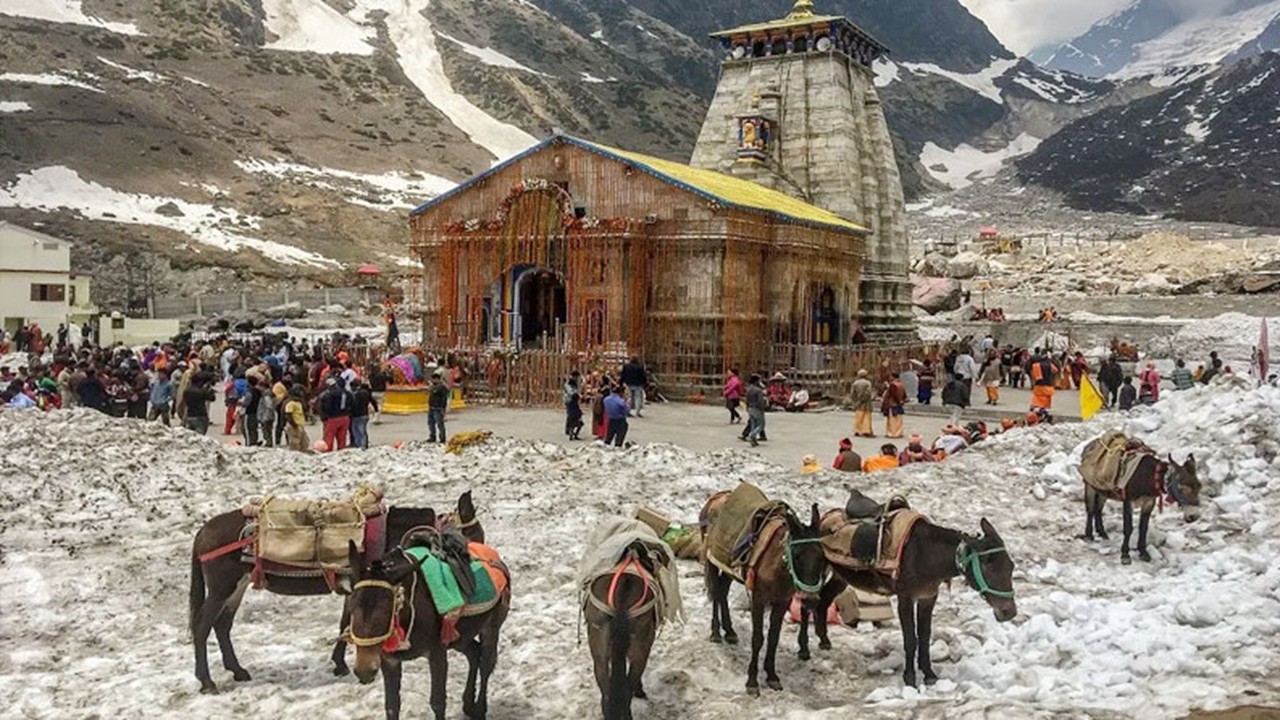
The Uttarakhand state cabinet has approved a 20 percent subsidy for the equine insurance premium of horses and mules working the Char Dham Yatra. This initiative aims to reduce financial stress for local handlers while enforcing mandatory online registration and health checks to ensure animal safety.
DEHRADUN, India — In a major policy move aimed at strengthening regional animal welfare and lowering economic stress for pilgrimage operators, the Uttarakhand state cabinet, led by Chief Minister Pushkar Singh Dhami, formally approved a proposal on June 18, 2026, to subsidize a portion of the mandatory equine insurance premium for animals deployed along the historic Char Dham Yatra circuits. Under the newly approved welfare guidelines, the state government will directly fund 20 percent of the total equine insurance premium required to cover the thousands of horses and mules operating on high-altitude transit tracks. This development introduces localized financial insulation for indigenous handlers while establishing a standardized structural framework for animal safety during active seasonal travel windows.
Easing the Economic Strain on Local Handlers
The Char Dham Yatra, which traverses the high-altitude Himalayan shrines of Yamunotri, Gangotri, Kedarnath, and Badrinath, heavily relies on equines to transport pilgrims, luggage, and critical logistical provisions across steep, non-motorable tracks. However, the hazardous terrain, combined with unpredictable weather and oxygen depletion at higher elevations, routinely subjects working animals to extreme physiological stress.
By stepping in to cover a significant fifth of each active equine insurance premium, the Uttarakhand administration reduces the steep upfront capital costs borne by local handlers. Prior to this cabinet intervention, the cost of securing complete coverage fell entirely on the individual owners. This policy change ensures that even lower-income animal handlers can easily comply with the state's mandatory registration protocols without compromising their livelihood or animal safety.
Stricter Operational SOPs and Digital Tracking
The state's decision to co-fund the equine insurance premium aligns with a broader set of Standard Operating Procedures (SOPs) rolled out by the Animal Husbandry Department. These rules mandate that all horses and mules undergo compulsory veterinary health screenings, biometric registration, and official insurance verification before receiving clearance to navigate the busy Gaurikund–Kedarnath and Janki Chatti–Yamunotri routes.
To eliminate middleman exploitation and maintain transparency, the state administration has made the payment of the equine insurance premium strictly online, banning all cash-based transactions at base camps. Under the current operational guidelines, only a rotationally managed pool of animals is allowed on the trekking tracks at any single time, preventing dangerous overcrowding and physical exhaustion.
Wider Cabinet Reforms and Infrastructure Adjustments
The equine welfare subsidy was part of a larger, multi-sector reform package passed during the same cabinet session. Recognizing the rising operational expenses driven by global fuel adjustments, the Dhami administration also approved an upward adjustment in the baseline tender pricing caps for the Public Works Department (PWD). This tactical alteration ensures that regional contractors can manage rising raw material costs without delaying critical infrastructure and road repair projects across the state.
Additionally, the state cabinet relaxed registration guidelines for localized Sanskrit educational centers and expanded employment support parameters for Upnal contractual workers by moving their service cut-off eligibility date to October 15, 2024. The administration also finalized an ambitious literacy roadmap designed to transform Uttarakhand into a 100 percent literate state through targeted grassroots educational programs aligned with the National Education Policy.
Official Sources Section
The formal technical parameters, allocation caps, and operational mandates regarding the welfare initiatives have been distributed via statutory briefs issued by the Chief Minister’s Office of Uttarakhand and the Uttarakhand Animal Husbandry Department. Legislative details and tracking statistics were corroborated by the Cabinet Secretariat of Dehradun.
Quote Section
"According to officials from the state secretariat, the financial subvention for the equine insurance premium marks a critical evolution in how the state balances economic growth with animal welfare. Organizers stated that minimizing the financial burden on local handlers encourages widespread compliance with safety rules, ensuring that working animals receive appropriate medical attention and immediate tracking during emergencies."
Why It Matters
This legislative intervention provides a scalable model for balancing high-density cultural tourism with sustainable ecological management. By directly funding a portion of the insurance costs, the state shields rural communities from sudden financial ruin caused by the death of working animals in rough terrain. For international and domestic travelers, it improves overall trail safety, ensuring that the animals handling transport are healthier and properly verified.
Key Facts at a Glance
Financial Subsidy: The state government will cover exactly 20 percent of the total insurance premium cost per working animal.
Core Event Focus: Directly tied to operations across the annual high-altitude Char Dham Yatra pilgrimage routes.
Payment Architecture: Premium processing is restricted to verified online channels to prevent cash fraud.
Broader Reforms: Passed alongside PWD tender adjustments and a comprehensive 100 percent state literacy drive.
FAQ Section
What percentage of the equine insurance premium will the government fund?
The Uttarakhand state government will officially cover 20 percent of the total premium cost, reducing the financial burden on local animal handlers and owners.
Can handlers pay their insurance premium in cash at the base camps?
No, the state administration has made online payment of insurance premiums mandatory, and cash transactions will not be accepted at registration checkpoints.
Which pilgrimage routes fall under these strict equine safety mandates?
The regulations apply to all horses and mules operating along the Char Dham Yatra paths, with specific focus on the busy Kedarnath and Yamunotri walking tracks.
Source: Chief Minister’s Office of Uttarakhand, Uttarakhand Animal Husbandry Department, Cabinet Secretariat Dehradun.