Tata Motors will enforce a price hike of up to 2.5% across its commercial vehicle portfolio from July 1, 2026, citing persistent commodity inflation. To support fleet modernization, the automaker simultaneously partnered with the Ministry of Road Transport and Highways to provide an 8% scrappage discount in Delhi-NCR.
MUMBAI — In a major development for the domestic transport sector, Tata Motors announced on June 18, 2026, that it will increase prices across its entire commercial vehicle range by up to 2.5%. The upcoming price hike, set to take effect on July 1, 2026, represents the automaker's second major pricing intervention in less than three months. The company stated that the upward revision has been made necessary by unrelenting pressure from escalating commodity prices and operational overheads, much of which has been compounded by raw material volatility tied to the ongoing West Asia conflict.
Escalating Commodity Pressures Force Second Price Revision of 2026
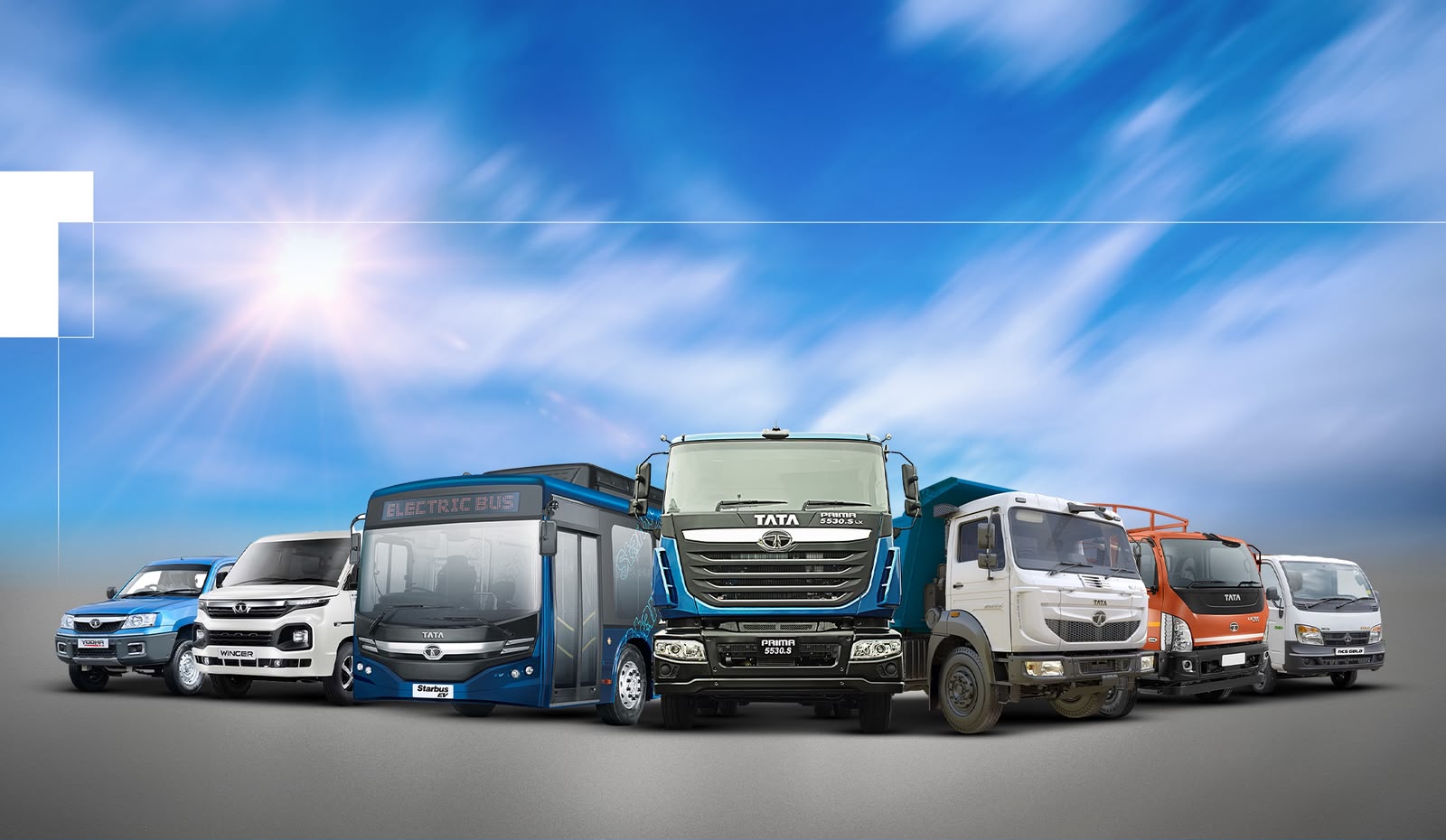
The impending price increase applies broadly across the automaker's expansive domestic catalog, which includes small commercial vehicles, mini trucks, pickups, heavy-duty cargo tippers, and passenger buses. According to regulatory statements issued by the company, the price hike is a strategic maneuver designed to partially offset the compounding expenses of steel, aluminum, rubber, and manufacturing energy.
This pricing adjustment follows a previous 1.5% increase implemented across Tata's commercial vehicle segment in April. By raising rates by an additional 2.5% from July 1, the automaker is reacting directly to supply chain constraints that have made heavy industrial manufacturing more expensive. The exact scale of the upward adjustment will not be uniform; instead, the rate increase will vary across individual models and specific configurations based on their raw material composition.
Joint Discount Pact Formed to Replace Aging Fleet Vehicles
Simultaneously, Tata Motors has entered into a formal cooperative framework with central authorities to cushion the impact for regional fleet operators looking to modernise. The manufacturer signed a Memorandum of Understanding (MoU) with the Ministry of Road Transport and Highways, linking the new pricing structure directly to the government’s active vehicle scrappage policy.
Under this newly ratified agreement, Tata Motors will extend a specific 8% discount on the ex-showroom price of new commercial vehicles purchased to replace aging, high-emission trucks and buses within the Delhi-National Capital Region (NCR). For buyers transitioning to greener alternatives, the company clarified that the monetary discount for pure electric vehicles (EVs) will be directly matched to the incentives allocated for internal combustion engine (ICE) models of equivalent Gross Vehicle Weight (GVW).
Parallel Increases Hit Domestic Passenger Car Lineup
The correction in the logistics segment mirrors a broader pricing recalibration taking place across the manufacturer's consumer portfolio. Just days prior to this announcement, Tata Motors Passenger Vehicles announced a separate price hike of up to 1.5% across its consumer cars and sport utility vehicles (SUVs), which is similarly scheduled to take effect on July 1, 2026.
Market analysts emphasize that these combined actions signal persistent inflation across the domestic automotive manufacturing chain. Competing auto majors, including Maruti Suzuki and Hyundai Motor India, have similarly pushed vehicle costs up by thousands of rupees over the current quarter, confirming an industry-wide trend toward passing structural cost pressures directly to end consumers and commercial fleet purchasers.
Official Sources Section
The production metrics, structural corporate pricing directives, and discount metrics cited in this coverage are derived from official regulatory filings submitted to the National Stock Exchange of India (NSE), corporate statements published by Tata Motors Limited, and the formal MoU announced by the Ministry of Road Transport and Highways.
Quote Section
"The upcoming price increase is being undertaken to partially offset the impact of rising commodity prices and other input costs," Tata Motors stated in an official media release on Thursday. "While the company continues to absorb a significant portion of these inflating manufacturing expenses at the plant level, a part of the residual impact must be passed on to customers through this systematic market adjustment."
Why It Matters
Commercial vehicles serve as the structural backbone of India’s supply chains, distribution networks, and public transport systems. A 2.5% price hike on assets that frequently cost between ₹20 lakh and ₹40 lakh means bulk fleet buyers could face an immediate increase of ₹50,000 to ₹1,00,000 per vehicle. This sudden increase in asset procurement costs could alter capital expenditure budgets for logistical firms, marginally elevate auto financing installment terms, and put upward pressure on domestic freight rates.
Key Facts at a Glance
Price Adjustment: Tata Motors will raise commercial vehicle prices by up to 2.5% starting July 1, 2026.
Inflationary Pressures: The automaker cited sustained upward pressure from rising commodity prices and industrial input costs as the core driver for the hike.
Scrappage Relief: A newly signed MoU with the Ministry of Road Transport and Highways offers an 8% discount for replacing old vehicles in Delhi-NCR.
Broad Portfolio Impact: The changes will vary across configurations, affecting small pickup trucks, tippers, cargo haulers, and mass transit buses.
Wider Portfolio Trend: The decision follows a parallel price hike of up to 1.5% across Tata's passenger car and electric vehicle lineups.
FAQ Section
1. When does the Tata Motors commercial vehicle price hike go into effect?
The revised pricing structure across the entire commercial vehicle portfolio becomes legally effective on July 1, 2026. Buyers finalized before this date can lock in current rates.
2. Will the 2.5% price increase be identical for all trucks and buses?
No, the price hike is capped at a maximum of 2.5%. The exact financial adjustment will vary systematically based on the individual vehicle model, weight category, and chosen variant.
3. How can transport operators qualify for the new 8% vehicle discount?
To receive the 8% ex-showroom discount, operators must purchase a new Tata truck or bus as a direct replacement for an old, deregistered vehicle under the government’s scrappage policy in the Delhi-NCR zone.
4. Are Tata’s electric commercial vehicles subject to these pricing changes?
Yes, the input cost pressures apply across all powertrain platforms. However, under the new scrappage MoU, electric vehicles will receive financial discount parity based on equivalent ICE weight standards.
Source: Official regulatory price circulars issued by Tata Motors Limited and joint administrative statements compiled from the Ministry of Road Transport and Highways.