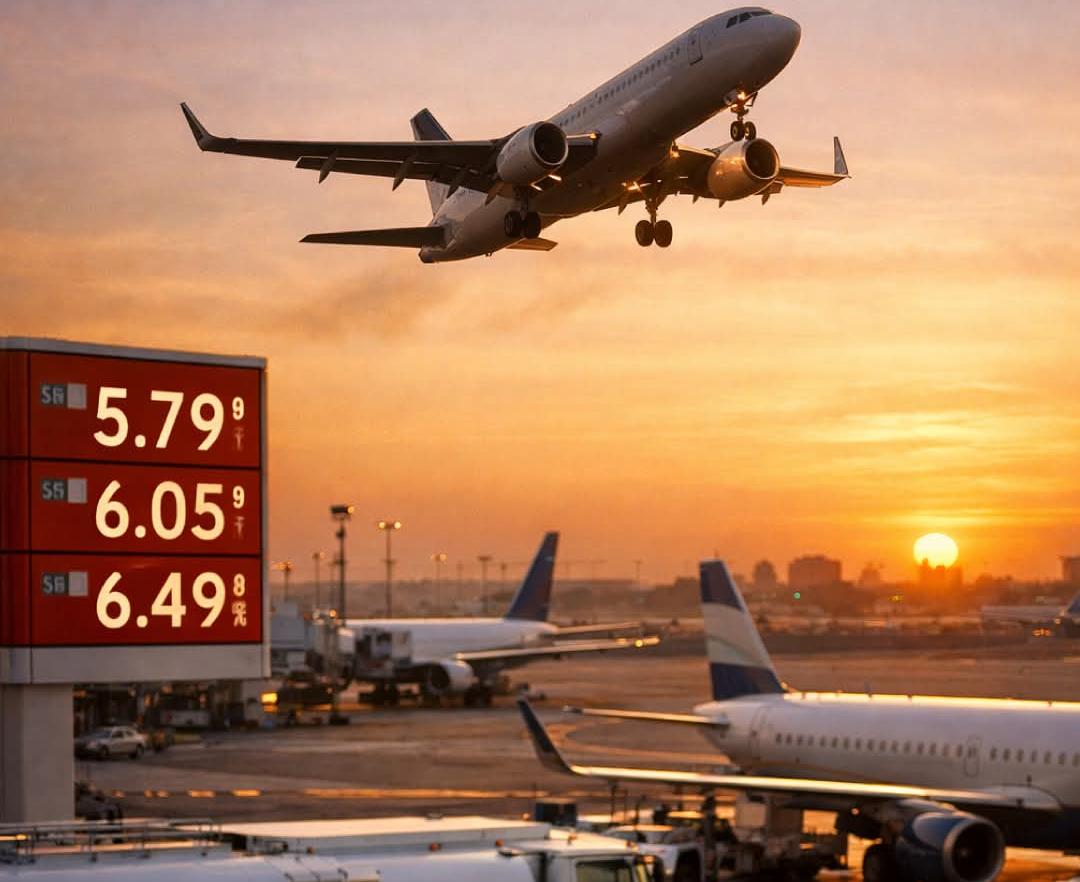
Peak summer air travel is set to become considerably more expensive for Indian consumers as domestic airlines cut flights due to ongoing supply chain issues and grounded aircraft. Ticket prices on key vacation routes have surged by up to 40%, forcing families to alter their travel plans and look toward alternative regional transport.
MUMBAI — Millions of Indian vacationers face higher ticket prices as major domestic airlines cut flights right at the start of the peak summer air travel season. Industry data released on June 5, 2026, reveals a significant reduction in scheduled weekly departures across primary metropolitan routes linking hubs like New Delhi, Mumbai, and Bengaluru. Travelers planning family holidays are experiencing immediate financial pressure, as carriers struggle with ongoing global supply chain constraints, prolonged engine maintenance delays, and localized airport capacity caps during the busiest quarter of the year.
Severe Capacity Constraints Disrupt Peak Summer Air Travel
The sudden reduction in available seats comes at a time when domestic passenger demand traditionally reaches its annual high. According to data compiled by aviation oversight groups, the aggregate number of daily commercial flights across India has fallen by an estimated 8% to 12% compared to initial seasonal projections. This supply contraction is driving spot airfares up on high-traffic tourism corridors, forcing last-minute bookers to pay premium prices.
Industry analysts point to a combination of systemic issues forcing major low-cost and full-service carriers to scale back their operations. A significant portion of the domestic narrow-body fleet remains grounded at parking bays across the country, awaiting imported spare parts and scheduled engine overhauls from international aerospace manufacturers. With few replacement aircraft available to lease, carriers have had no choice but to consolidate their schedules and cancel underperforming routes.
Metropolitan Routes Face Steepest Tariff Hikes
The financial impact is most pronounced on trunk routes connecting commercial centers to major leisure destinations like Goa, Srinagar, Kerala, and Port Blair. Regulatory tracking indicates that average ticket prices on these specific routes have risen by 25% to 40% year-on-year. Aviation desks report that even standard corporate travel lanes are seeing fare increases, as airlines reallocate their remaining active aircraft to protect their core network schedules.
Impact on Consumers, Tourism, and Hospitality Stocks
The current disruption in the aviation ecosystem is creating widespread ripple effects across several sectors of the Indian economy. For ordinary consumers and travelers, the flight cuts mean less scheduling flexibility, longer layovers, and a higher risk of unexpected travel disruptions.
For the hospitality and domestic tourism sectors, higher transportation costs could price out budget-conscious travelers. Hoteliers in popular holiday destinations report a shift toward regional road trips and short-haul train travel as consumers look for alternatives to expensive flights. Conversely, for airline investors, the high passenger load factors and strong yields could help offset the fixed overhead costs of their grounded fleets, keeping corporate profit margins stable despite lower passenger volumes.
Official Sources Section
Operational flight schedules, carrier filings, and monthly traffic statistics are regulated and maintained by the Directorate General of Civil Aviation (DGCA). Broader macroeconomic infrastructure indicators, sector investments, and tourism trends are managed under the oversight of the Ministry of Civil Aviation and the Ministry of Tourism. Corporate performance disclosures from listed airline enterprises are filed transparently with BSE Limited and the National Stock Exchange of India Limited.
Quote Section
Aviation consumer groups and travel operations desks are keeping a close watch on the shifting market dynamics.
"According to officials from major regional travel associations, the combination of high jet fuel costs and fewer available planes has left airlines with little pricing flexibility," an industry analyst stated. "Organizers stated that unless additional wet-lease aircraft are quickly cleared for domestic service, peak summer air travel expenses will remain elevated through the end of the monsoon holiday window."
Why It Matters
The practical impact of these capacity cuts extends far beyond higher vacation costs for families. For businesses reliant on time-sensitive cargo and corporate transit, reduced flight options increase supply chain costs and slow down client operations. On a macro level, sustained high airfares could cool consumer spending in the broader services sector, highlighting the need for India to build out its domestic aerospace maintenance, repair, and overhaul (MRO) infrastructure to avoid future supply shocks.
Key Facts at a Glance
Supply Squeeze: Airlines cut flights across major domestic routes, reducing total seat capacity by an estimated 8% to 12%.
Fare Surge: Ticket prices on key holiday routes have jumped 25% to 40% compared to the same period last year.
Grounded Fleets: Supply chain delays and slow engine maintenance turnarounds keep dozens of single-aisle aircraft out of service.
Alternative Transit: Rising airfares are driving a noticeable increase in bookings for premium trains and road travel.
FAQ Section
Why are airlines cutting flights during the busy summer season?
Carriers are facing persistent global supply chain issues and delayed engine maintenance, which has left a significant portion of their fleets grounded and unable to fly.
Which flight routes are seeing the highest price increases?
The steepest fare hikes are hitting premium holiday routes connecting major cities to top leisure destinations like Goa, Srinagar, and Kerala.
Can consumers expect airfares to drop before the summer ends?
Fares are expected to remain high through the peak vacation season. Prices may normalize later in the year as seasonal demand slows down and airlines gradually return serviced aircraft to their active fleets.
Source: Directorate General of Civil Aviation (DGCA) Traffic Reports, Ministry of Civil Aviation Infrastructure Statistics