Prime Minister Narendra Modi's Instagram following surged by nearly 1 million overnight, reaching 102 million after he posted a viral selfie video addressing the NEET paper leak. The message coincided with the Union Cabinet's approval of stringent anti-paper leak laws and major administrative overhauls at the NTA.
Prime Minister Narendra Modi gains nearly 1 million Instagram followers overnight following a viral video address on the NEET paper leak.
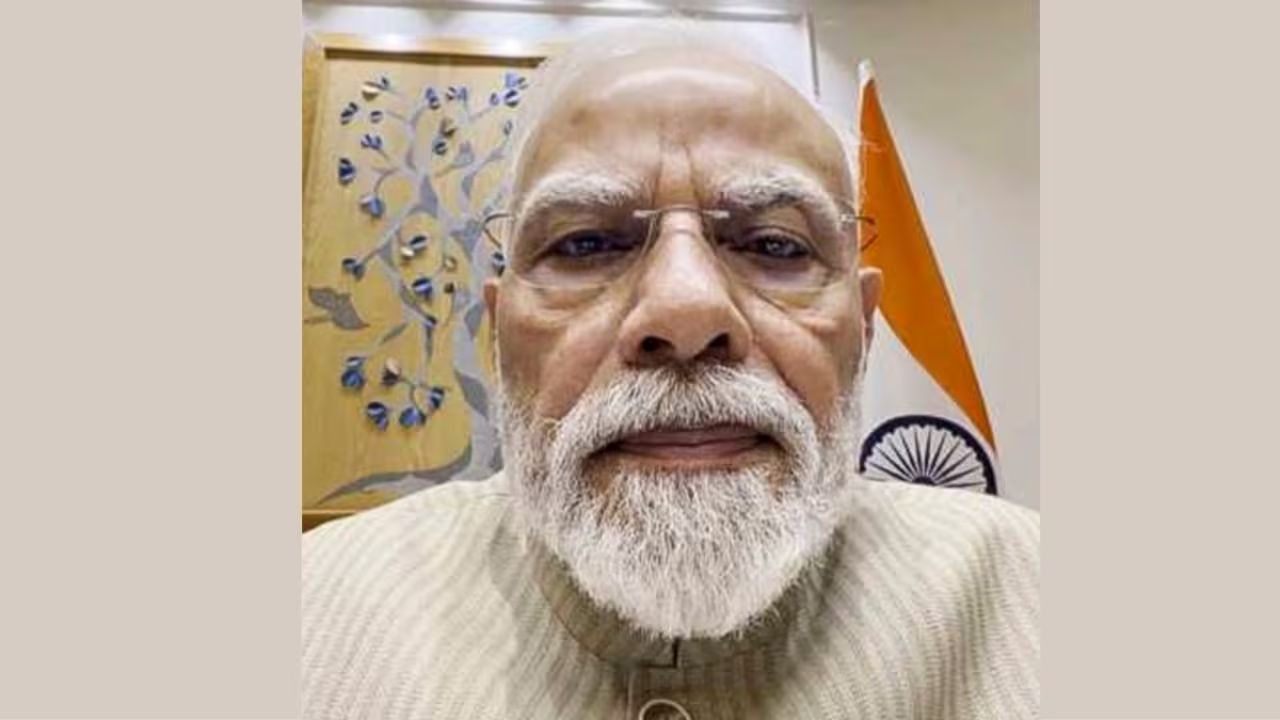
In an unprecedented surge in digital engagement, Prime Minister Narendra Modi gained approximately one million new Instagram followers overnight after publishing a direct-to-camera selfie video addressing the nationwide controversy surrounding the NEET-UG examination paper leak. Released late Thursday, July 23, 2026, the video message—captioned "More strict actions against paper leaks to come in tomorrow's Cabinet!"—rapidly amassed over 270 million views, driving his overall platform following to a milestone 102 million. The digital outreach coincided with intensive government action, including sweeping organizational overhauls at the National Testing Agency (NTA) and newly proposed legislative penalties to curb examination malpractice.
Direct Communication and Digital Reach
According to official social media metrics and public updates, the late-night reel triggered massive public discourse across India's digital landscape.
Unprecedented Engagement: The 49-second video recorded massive interaction figures, drawing over 15 million likes and 1.3 million comments within its first day online.
Addressing Student Anxiety: In the clip, Prime Minister Modi acknowledged the profound stress experienced by candidates and parents, stating, "I know that paper leak is not an ordinary issue. It is very painful for lakh of students and their guardians."
Accountability Measures: The Prime Minister emphasized that law enforcement agencies had acted swiftly over the preceding months to arrest culprits, prioritizing structural safeguards to ensure students' academic calendars were protected.
Policy Adjustments and NTA Overhaul
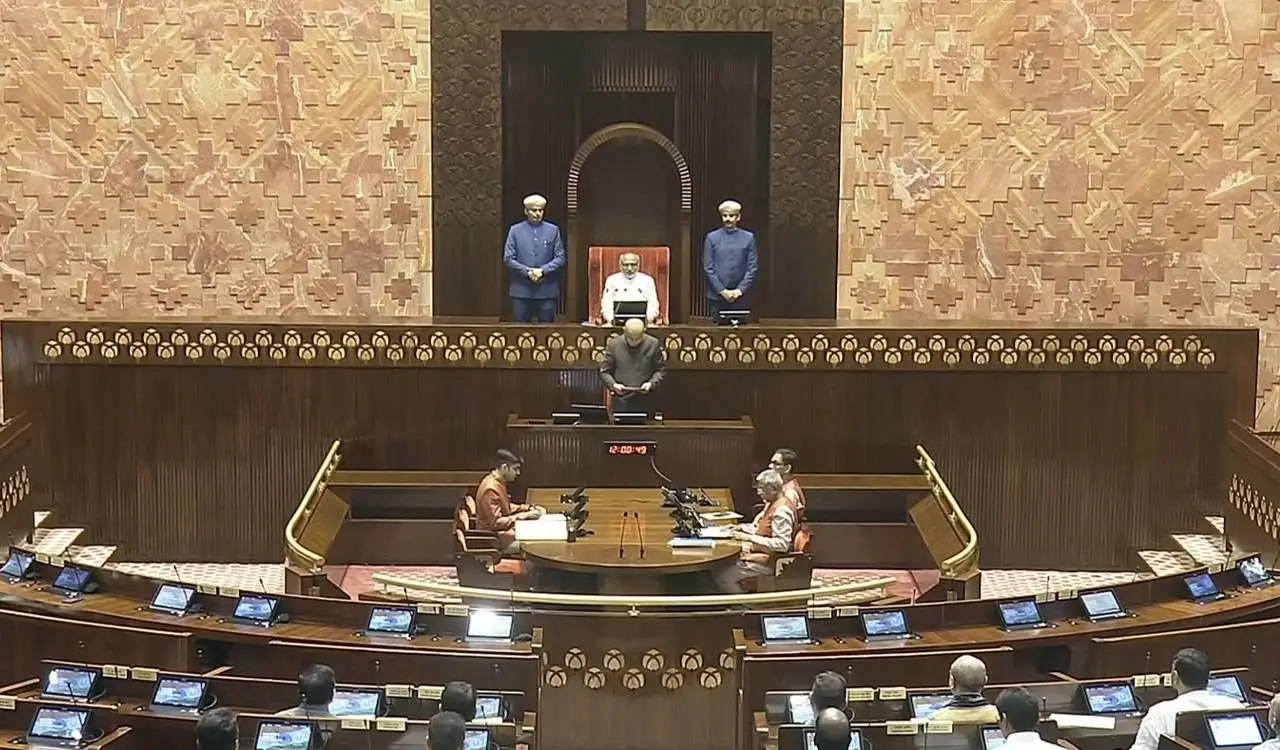
The viral social media address preceded major administrative developments on Friday, July 24, 2026. According to government statements and regulatory disclosures, the Union Cabinet cleared strict amendments to anti-paper leak legislation, proposing severe penalties including up to 10 years of imprisonment and fines reaching Rs 10 crore. Concurrently, the NTA initiated a major institutional restructuring by terminating the services of 47 officials as part of a comprehensive overhaul aimed at restoring public trust in national competitive examinations.
Why It Matters
For millions of students, parents, and education stakeholders across India, the high-level policy response and direct communication signal a strong administrative commitment to system transparency. For digital communications strategists, the record-breaking surge highlights the growing influence of direct-to-consumer video messaging by world leaders during national crises.
Key Facts at a Glance
Follower Milestone: PM Modi's Instagram following reached 102 million.
Immediate Growth: Nearly 1 million followers gained overnight.
Video Reach: Surpassed 270 million views globally.
Key Policy Action: Union Cabinet approval of tougher anti-paper leak laws featuring up to 10 years in prison and Rs 10 crore fines.
Frequently Asked Questions
How many followers did PM Modi gain on Instagram following the NEET video?
Prime Minister Narendra Modi gained nearly 1 million followers overnight, bringing his total platform following to 102 million.
What was the primary message of the viral selfie video?
The video addressed the NEET paper leak controversy, offering reassurance to students and parents while previewing stricter legislative measures against examination fraud.
What penalties were introduced under the updated anti-paper leak legislation?
The proposed legal amendments include up to 10 years of imprisonment and fines of up to Rs 10 crore for individuals involved in examination paper leaks.
Source: Press Information Bureau (PIB), The Economic Times, The Times of India