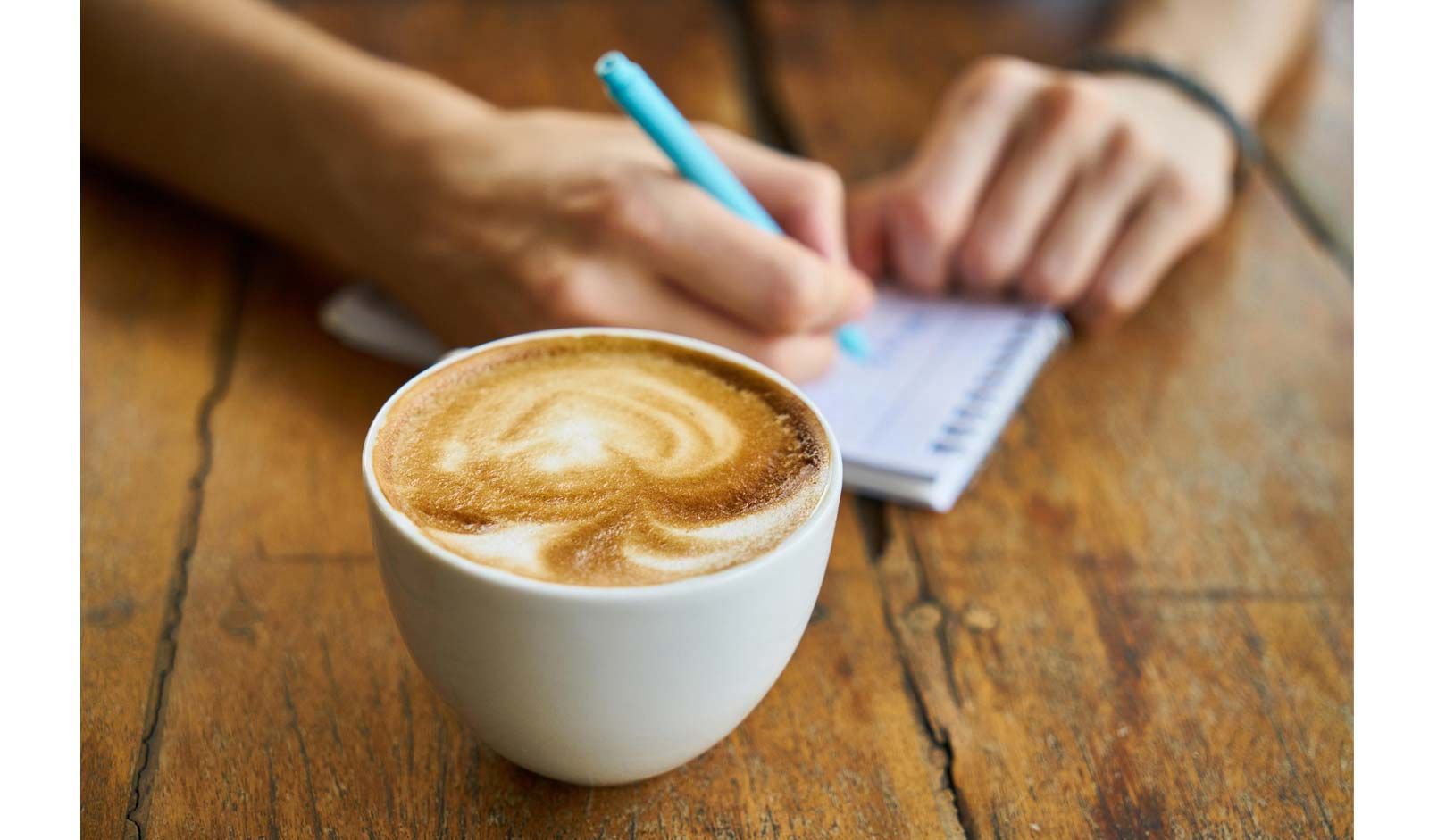
India's surging premium coffee culture has transformed the daily brew from a basic morning routine into an essential lifestyle and social symbol. Driven by tech-enabled retail, estate-grown specialty beans, and rapid expansion into tier-2 cities, the country's multi-billion-dollar market is redefining modern consumer habits
India's booming coffee market is shifting from a morning routine into a multi-billion-dollar lifestyle symbol.
Driven by changing urban demographics, rising disposable incomes, and a cultural shift toward experiential consumption, India's coffee market is experiencing an unprecedented premiumisation wave. According to recent industry assessments by market analysts and hospitality executives, what was once considered a traditional morning beverage has transformed into a core lifestyle and social indicator across metropolitan centers and tier-2 cities alike. Industry data projects the broader Indian coffee market to scale toward multi-billion-dollar valuations, expanding at a robust compound annual growth rate (CAGR) as consumers increasingly demand specialty blends, single-origin estate beans, and café-quality experiences.
Premiumisation and Specialty Culture Redefining Consumption
According to market research reports and industry disclosures, the transformation of India’s coffee sector is heavily anchored in rising consumer sophistication regarding taste profiles, origin transparency, and artisanal brewing techniques.
Shift from Instant to Specialty: Urban consumers are increasingly trading mass-market instant coffee for freshly roasted, estate-grown whole beans sourced from traditional coffee-growing regions like Chikmagalur, Coorg, and the Nilgiris.
Expansion Beyond Metros: While major metropolitan hubs initiated the third-wave coffee movement, tier-2 and tier-3 cities have emerged as key growth engines, fueled by digital accessibility and exposure to national café chains.
Technological Integration: Commercial establishments, luxury hotels, and corporate workplaces are rapidly adopting advanced bean-to-cup systems and super-automatic espresso machinery to deliver consistent, high-speed specialty beverages.
Impact on Hospitality, Retail, and Corporate Workspaces
The lifestyle pivot has forced businesses across the hospitality, food service, and corporate sectors to fundamentally upgrade their beverage programs. According to industry statements, offices and co-working spaces are integrating café-style environments to drive employee engagement, while hotels and restaurants view superior coffee offerings as critical brand differentiators. Furthermore, quick-commerce and direct-to-consumer (D2C) retail channels have accelerated home-brewing trends, allowing consumers to experiment with pour-overs, cold brews, and drip bags directly in their homes.
Why It Matters
For everyday consumers, the coffee boom broadens access to high-quality, traceable artisanal products that align with contemporary social habits and wellness preferences. For businesses, investors, and local agricultural estates, the surging demand opens lucrative avenues for automation technology, brand scaling, and direct-to-consumer retail innovation.
Key Facts at a Glance
Market Trajectory: India's coffee sector is projected to maintain strong multi-year growth, driven by an expanding consumer base and rising per capita consumption.
Growth Drivers: Proliferation of tier-2/tier-3 café culture, quick-commerce expansion, and demand for single-origin estate coffee.
Technological Shift: Heavy investments in bean-to-cup and super-automatic espresso equipment across offices and hospitality venues.
Frequently Asked Questions
What is driving the premium coffee boom in India?
The surge is driven by rising disposable incomes, urbanization, a cultural shift toward experiential consumption, and a growing preference for specialty, single-origin coffee beans.
Are tier-2 and tier-3 cities contributing to coffee consumption?
Yes, smaller cities are emerging as primary growth engines due to changing lifestyles, greater exposure to national café brands, and digital retail penetration.
How are businesses adapting to this lifestyle change?
Cafés, hotels, restaurants, and corporate offices are upgrading their beverage programs, investing in advanced brewing technology, and offering specialty menus to meet higher consumer expectations.
Source: Grand View Research, IMARC Group, The Economic Times