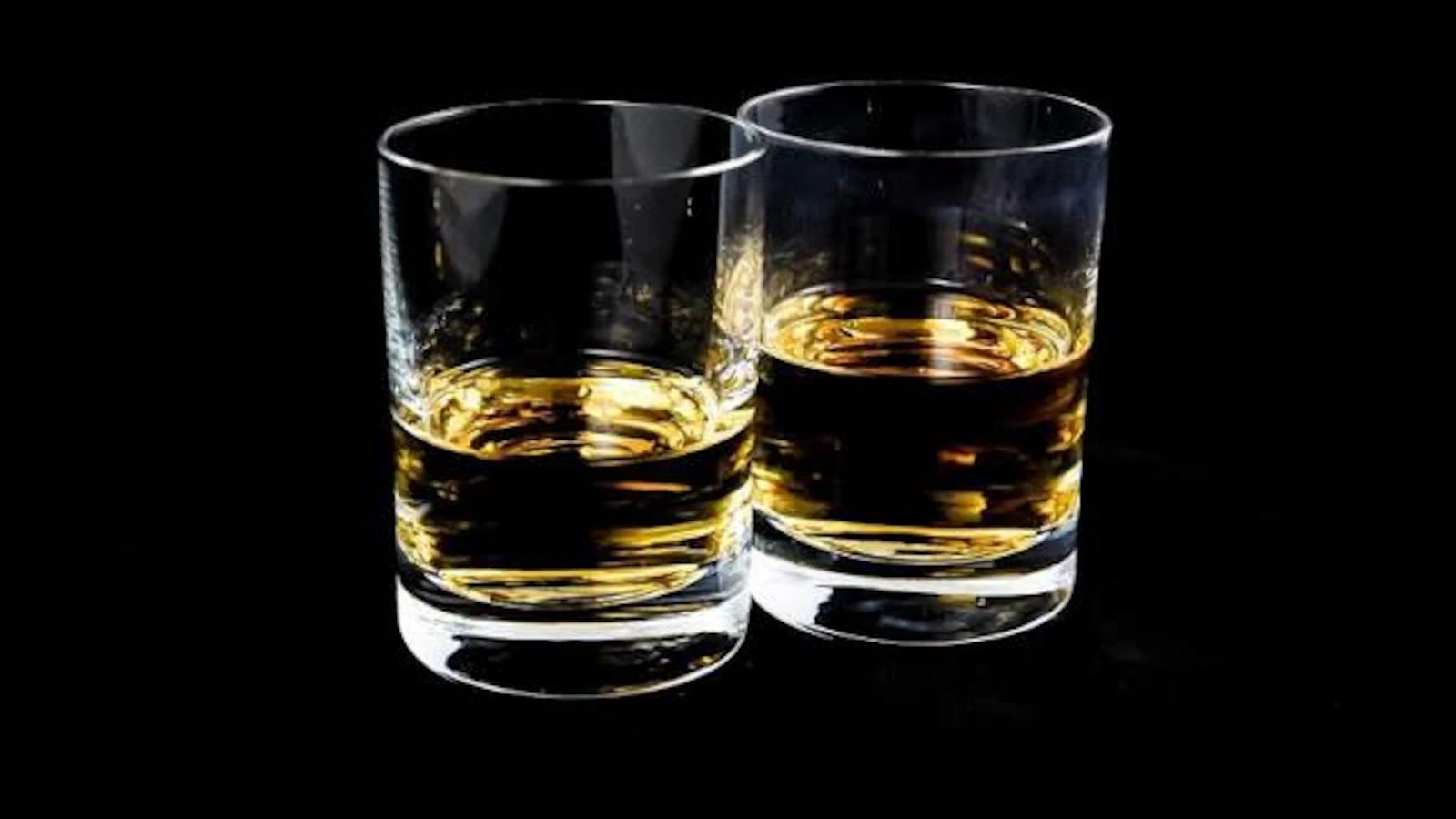
Maharashtra enforced a state-wide dry day on July 25, 2026, across Mumbai, Pune, and other cities for Ashadhi Ekadashi. All retail liquor vends, bars, and restaurants suspended alcohol sales to honor the major religious festival and the annual Pandharpur pilgrimage.
The Maharashtra government declares a state-wide dry day across Mumbai, Pune, and other cities for Ashadhi Ekadashi.
As part of routine state excise regulations for major religious observances, the Maharashtra government enforced a strict dry day across Mumbai, Pune, and multiple other urban centers on Saturday, July 25, 2026. The state-mandated directive prohibits the retail sale, distribution, and serving of alcoholic beverages across all licensed liquor vends, bars, pubs, and dining establishments. The temporary ban is tied directly to the observance of Devshayani Ekadashi—widely known as Ashadhi Ekadashi—a major spiritual festival that draws millions of pilgrims to the state.
Religious Significance and the Pandharpur Pilgrimage
According to official state notifications and cultural traditions, Ashadhi Ekadashi holds profound religious importance within Maharashtra.
Devshayani Observance: Falling on the 11th day of the bright fortnight (Shukla Paksha) in the Hindu month of Ashadha, the holy day marks the commencement of Lord Vishnu's four-month period of celestial slumber.
The Wari Tradition: The festival serves as the culmination of the historic Pandharpur Wari, an annual foot pilgrimage where millions of devotees (Warkaris) journey across the state singing hymns dedicated to Lord Vitthal.
Civic and State Protocol: To maintain public solemnity, order, and respect for the massive religious gathering, local excise departments enforce comprehensive restrictions on commercial alcohol trading.
Enforcement Across Mumbai, Pune, and Regional Districts
State excise authorities instructed all local law enforcement agencies and municipal bodies to ensure strict compliance with the restriction order. Retail liquor stores, hotel bars, and clubhouses across Mumbai and Pune remained shut throughout the 24-hour period. District administrations emphasized that establishments violating the dry day order face immediate license suspension and severe penalties under the Maharashtra Prohibition Act. Regular retail operations are scheduled to resume normally following the conclusion of the observance.
Why It Matters
For citizens, local businesses, and hospitality operators, adhering to scheduled dry days prevents legal infractions and aligns commercial practices with statutory cultural norms. Travelers and tourists visiting Maharashtra during major festival periods must plan dining and leisure activities around state-enforced liquor bans.
Key Facts at a Glance
Restricted Date: Saturday, July 25, 2026.
Occasion: Ashadhi Ekadashi (Devshayani Ekadashi).
Affected Areas: Mumbai, Pune, and urban districts statewide.
Prohibited Entities: Wine shops, country liquor vendors, bars, clubs, and hotel dining alcohol services.
Frequently Asked Questions
Why was a dry day declared in Maharashtra on July 25, 2026?
The dry day was enforced to mark Ashadhi Ekadashi, a sacred Hindu festival associated with the Pandharpur pilgrimage.
Which cities in Maharashtra are affected by the alcohol ban?
The restrictions apply state-wide, encompassing major metropolitan hubs like Mumbai and Pune alongside regional districts.
Are restaurants and bars allowed to serve alcohol on this day?
No, all licensed bars, pubs, restaurants, and retail liquor counters are legally required to suspend alcohol sales for the duration of the dry day.
Source: The Economic Times, Loksatta