Top Searches
- • Pull Up A Stool, Order A Round, And Prepare To Have Your Mind Blown: Science Just Came To Your Local Pub 2 hours ago
- • Stained Five Minutes Before Leaving The House? Here Is What Actually Works 2 hours ago
- • Pop, Fizz, And Panic: India's Diet Coke Moment Is Here — But The Cans Are Running Out 2 hours ago
- • Your Instagram DMs Are No Longer A Sealed Envelope — Meta Just Opened The Flap 2 hours ago
- • From Vizag's Streets To Cannes' Red Carpet: A Short Film Named Signal Is Sending India's Biggest Message 2 hours ago
- • The Last Litre Of Cheap Fuel: India's Oil Companies Are Running Out Of Patience And Margin 2 hours ago
- • Oil, Rupees, And A War Far Away: Why India's Economy Is Watching West Asia Very Closely 2 hours ago
- • From Mud Floors To Marketplaces: How Yogi's UP Is Turning Village Women Into Lakhpati Entrepreneurs 4 hours ago
Pop, Fizz, And Panic: India's Diet Coke Moment Is Here — But The Cans Are Running Out
The Trend That Snuck Up On Everyone
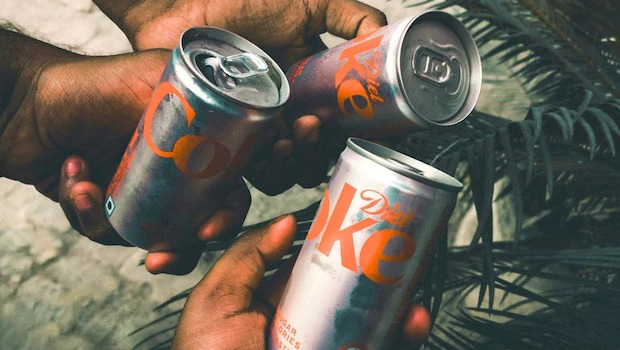
What began as a niche preference among fitness-conscious millennials and Gen Z consumers in Mumbai, Delhi, and Bengaluru has rapidly evolved into a full-blown social identity marker. Diet Coke long overshadowed in India by its regular counterpart and local cola brands has found a second life as a lifestyle accessory, driven by social media aesthetics, celebrity endorsements, and a growing consumer shift toward low-calorie or zero-sugar beverage options. The slim silver can has become as much a prop at curated parties as it is a drink, appearing in reels, flat lays, and influencer content at a frequency that no marketing budget could have engineered organically.
From Niche To Mainstream: The Cultural Shift
India's relationship with diet and zero-sugar beverages has historically been lukewarm the country's palate has traditionally favoured sweeter, fuller-bodied soft drinks. But 2025 and 2026 have marked a decisive inflection point, with urban Indian consumers between the ages of 22 and 38 driving a measurable shift toward better-for-you indulgence. Diet Coke fits this cultural moment precisely it offers the ritual and social currency of a cola without the caloric guilt, a combination that resonates deeply with India's rapidly expanding fitness-aware but socially active middle class. Party hosts are now stocking Diet Coke alongside wine and craft beer as a mark of hosting sophistication, and the drink has acquired an almost totemic status in certain social circles.
The Aluminum Can Problem Nobody Saw Coming
The explosive demand growth has collided directly with a structural supply constraint India's aluminum can manufacturing ecosystem is simply not built to handle the volume that the Diet Coke moment is demanding. India imports a significant proportion of its beverage-grade aluminum sheet, and global aluminum prices have surged in 2026 amid supply chain disruptions tied to the Iran conflict, US tariff reconfigurations, and tightening bauxite export controls from Guinea and Australia. Domestic can manufacturers including Ball Corporation India and Hindustan Tin Works are operating at near-full capacity, yet retail shelves in several metros are reporting Diet Coke stockouts that last days at a time a phenomenon previously unimaginable for a mainstream Coca-Cola product in India.
Beverage Buzz Highlights
- Diet Coke has emerged as India's defining social beverage of 2025 to 2026, displacing craft beer in certain urban party demographics
- The slim aluminum can format is central to Diet Coke's aesthetic appeal, making the packaging as important as the product itself
- Aluminum can shortages are being reported across Delhi, Mumbai, Bengaluru, and Hyderabad retail outlets, with restocking cycles stretching to multiple days
- Global aluminum prices have risen sharply in 2026, driven by geopolitical disruptions, US tariff impacts, and bauxite supply tightening
- India's beverage can manufacturing capacity is running at near-maximum utilisation, with no immediate large-scale capacity addition planned
- Coca-Cola India is believed to be prioritising can allocations for its premium and Diet variants over regular cola in high-demand metro markets
- The shortage has inadvertently added a scarcity premium to Diet Coke's cultural cachet — limited availability making it more desirable at social gatherings
- PET bottle alternatives for Diet Coke are available but considered socially inferior in the party context, where the can format is the entire aesthetic point
- Beverage industry analysts project India's zero-sugar carbonated drinks segment to grow 28 to 32 percent year-on-year through 2027
The Scarcity Effect And What It Means For Brands
In a phenomenon familiar to luxury marketers but rare in the mass beverage category, the aluminum shortage has accidentally amplified Diet Coke's desirability. When guests at a party produce a chilled Diet Coke can, it now carries a subtext of effort someone hunted it down, which makes it more valuable as a social gesture. Coca-Cola India's marketing team, whatever its role in the organic trend, now faces a delicate balancing act: supply enough product to sustain momentum without flooding the market and deflating the premium aura that scarcity has gifted the brand entirely for free.
What The Industry Is Watching
The beverage industry is closely tracking whether India's Diet Coke moment has the structural depth to survive the transition from trend to habit. Historical parallels from craft beer's rise to the cold brew coffee curve suggest that if the brand can convert the current social buzz into a daily consumption routine among even 15 to 20 percent of its current trend followers, it will have permanently reshaped India's zero-sugar beverage market. The aluminum shortage, paradoxically, may turn out to have been the best thing that ever happened to Diet Coke's India story giving it exactly the mystique a brand cannot manufacture.
Sources: Economic Times, Hindustan Times, Business Standard, Mint, Financial Express, Bloomberg Commodity Markets, Coca-Cola India Trade Reports (May 2026)
Stay Ahead – Explore Now! NSA Doval Meets Vietnam President To Bolster Strategic Partnership