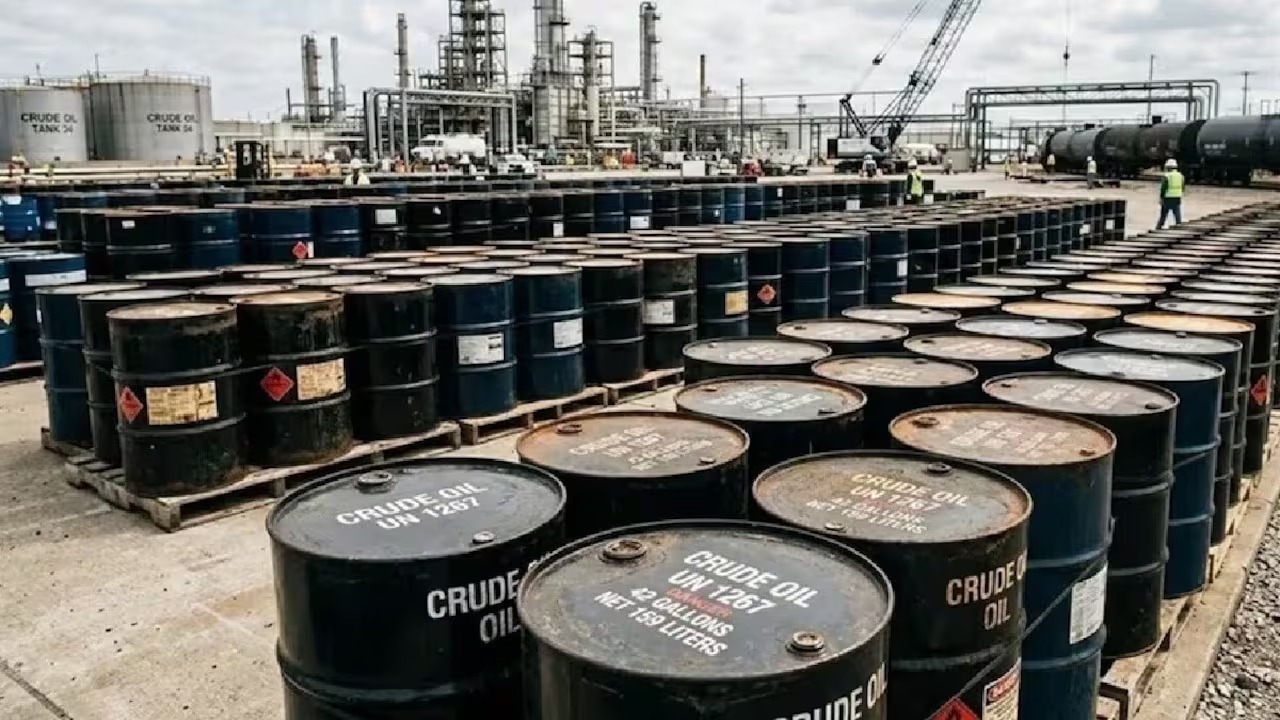
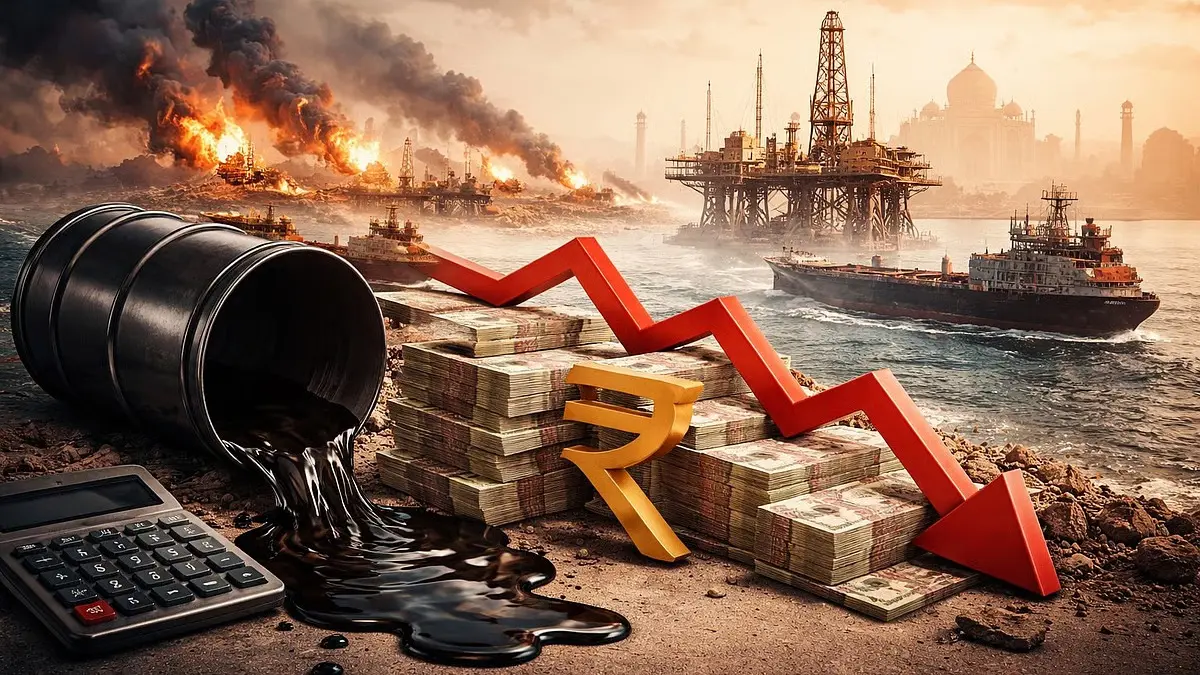
India's state-owned oil marketing companies Indian Oil, BPCL, and HPCL are staring at mounting under-recoveries as global crude prices surge past $100 a barrel in the wake of the Iran conflict. A petrol and diesel price hike, long deferred for political reasons, is now being described by industry insiders as a matter of when, not if.
The Numbers Behind The Pressure
India's oil marketing companies last revised retail fuel prices in April 2022, holding the line through multiple crude cycles, elections, and now a full-scale geopolitical crisis in West Asia. With Brent crude trading above $109 per barrel in late April 2026 and Indian OMCs sourcing crude at significantly higher costs than the price at which they sell domestically, under-recoveries are estimated to be running at Rs 8 to Rs 12 per litre on petrol and Rs 10 to Rs 14 per litre on diesel. Sustaining these losses indefinitely is no longer considered financially viable, with combined OMC losses projected to cross Rs 40,000 crore if crude remains elevated through the second quarter.
Why Prices Have Been Held So Long
The government has historically used administered pricing as a macro-stabilisation tool, particularly around election cycles. With the Bihar elections concluded and no major state polls immediately on the horizon, the political window for a price revision is considered more open than it has been in two years. Finance Minister Nirmala Sitharaman has acknowledged that OMC financial health is a priority concern, while the Petroleum Ministry is believed to be evaluating a staggered hike of Rs 5 to Rs 8 per litre on petrol and a similar increase on diesel to begin recovering the accumulated shortfall without triggering a single-day inflation spike.
What A Hike Would Mean For Consumers
A Rs 6 to Rs 8 per litre increase would push petrol prices in Delhi from approximately Rs 95 to over Rs 101 to Rs 103 per litre crossing the psychological Rs 100 mark in most major cities that had seen some relief over the past year. Diesel, which drives freight costs, agricultural pump sets, and generator-dependent small businesses, would see the most cascading effect. Economists estimate that a Rs 6 diesel hike alone could add 25 to 30 basis points to the Wholesale Price Index and push retail inflation toward 4.2 to 4.5 percent within two months of implementation.
Fuel Price Hike Watch Highlights
- Indian OMCs IOC, BPCL, and HPCL are estimated to be losing Rs 8 to Rs 14 per litre on petrol and diesel at current crude levels
- Combined OMC under-recoveries could cross Rs 40,000 crore if Brent crude holds above $100 per barrel through Q2 FY27
- Retail fuel prices have remained unchanged since April 2022, making this the longest price freeze in over a decade
- A likely hike of Rs 5 to Rs 8 per litre on petrol and diesel is being evaluated in a phased, staggered approach
- Petrol in Delhi could cross Rs 101 to Rs 103 per litre post-hike, breaching the Rs 100 mark in most metro cities
- Diesel hike of Rs 6 per litre could add 25 to 30 basis points to WPI and push CPI inflation toward 4.2 to 4.5 percent
- Aviation turbine fuel prices have already been revised upward twice in 2026, signalling the broader repricing cycle is already underway
- CII has simultaneously called for a phased excise duty rollback to cushion the consumer impact of any retail price revision
- LPG cylinder prices have already been increased by Rs 60 in 2026, suggesting the government's buffer space is shrinking rapidly
The Excise Cut Question
The industry lobby, led by CII, has proposed that the government accompany any retail price hike with a corresponding reduction in central excise duties on fuel currently accounting for nearly 45 to 55 percent of the pump price. A Rs 3 to Rs 4 excise cut alongside a Rs 6 to Rs 8 pump price increase would allow OMCs to partially recover losses while limiting the net consumer impact to Rs 2 to Rs 4 per litre. Whether the government chooses to absorb part of the burden through the excise route or passes the full cost to consumers will determine whether this becomes a managed adjustment or a politically disruptive price shock.
The Broader Macro Context
India entered 2026 with retail inflation at a comfortable 2.75 percent in January a multi-year low that gave the RBI room to cut rates twice. That cushion is now eroding. A fuel price hike layered on top of an already oil-shock-driven inflation uptick risks pushing CPI back toward the upper half of the RBI's 2 to 6 percent tolerance band, potentially freezing the rate-cut cycle just as consumption was showing signs of a meaningful revival. The timing, quantum, and sequencing of the fuel price revision will be one of the most consequential economic decisions of the Narendra Modi government in the current financial year.
Sources: Economic Times, Business Standard, Moneycontrol, Financial Express, Times of India, Reuters India, OilPrice.com (May 2026)