US President Donald Trump warned that Iran will "pay the price" after delaying a comprehensive Middle East peace deal. The declaration follows heavy exchanges of fire, including US airstrikes on Iran's coast and Iranian drone attacks on a US base in Bahrain, causing Brent crude prices to spike above $93.19.
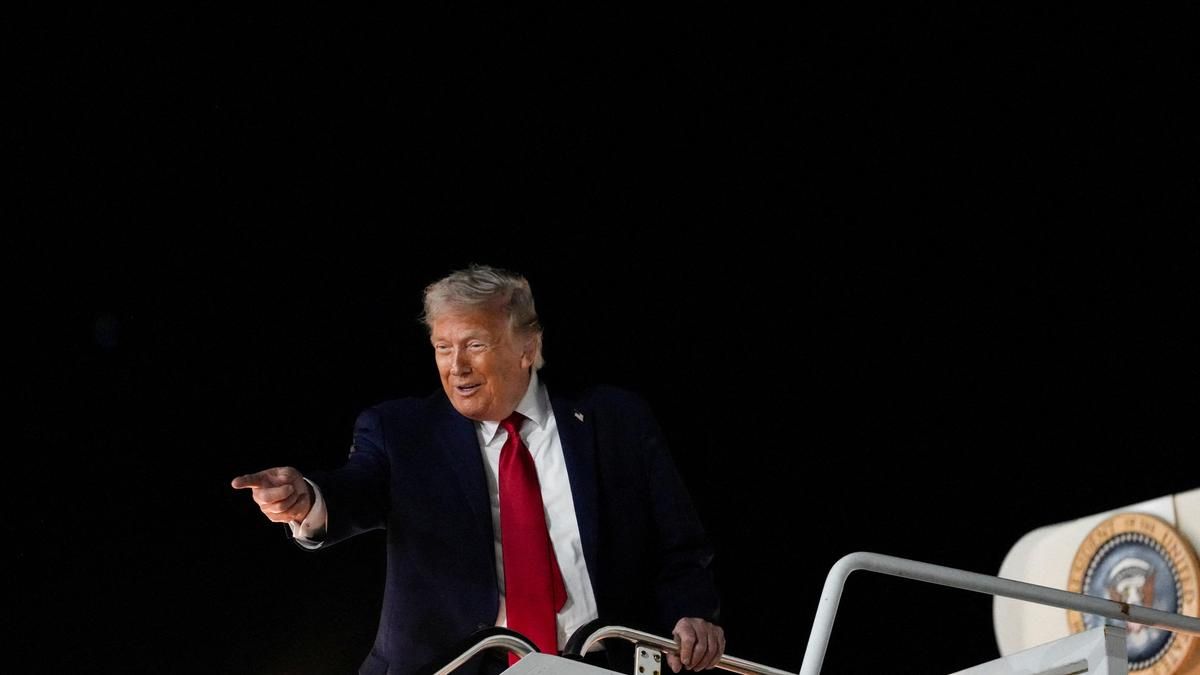
WASHINGTON — US President Donald Trump issued a sharp warning to Tehran on Wednesday, June 10, 2026, declaring that Iran has "taken too long to negotiate" a settlement to end the West Asia war and will now "have to pay the price." The statement, published on the President's Truth Social platform, marks a sudden breakdown in diplomatic rhetoric just 24 hours after Trump told reporters that a long-term treaty was in its final stages.
The collapse in negotiations follows a rapid chain of military actions, including the downing of a US Army Apache helicopter over the Gulf, subsequent American retaliatory airstrikes on Iranian coastal installations, and targeted Iranian drone attacks hitting US naval facilities in Bahrain.
From Final Throes to Airstrikes: The Diplomatic Collapse
The sudden shift in relations has effectively upended the shaky regional ceasefire that had been maintained by international mediators since April 8. Trump’s aggressive midday statement stood in stark contrast to his optimistic remarks on Tuesday, when he suggested that a comprehensive peace deal could be finalized within two to three days.
Instead of a diplomatic resolution, a massive exchange of fire erupted across the shipping corridors of the region. Following direct authorization from the White House, US Central Command launched self-defense airstrikes late Tuesday evening targeting Iranian radar stations, air defense batteries, and surveillance hubs on Qeshm Island and near the ports of Jask and Sirik.
Retaliation Spreads to Gulf Bases as Shipping Crisis Deepens
Iran’s Islamic Revolutionary Guard Corps (IRGC) retaliated early Wednesday morning, launching multiple Shahed-136 one-way attack drones at the US Navy’s Fifth Fleet headquarters in Manama, Bahrain. Additional strikes were reported against US regional outposts in Jordan and Kuwait.
Meanwhile, Iranian state media reported that the localized conflict is severely affecting the civilian population on the ground. Airstrikes damaged two primary water reservoirs supplying the coastal town of Sirik, cutting off access to clean drinking water for roughly 20,000 residents amid extreme summer heat.
Energy Disruptions Trigger Fuel Rationing Across Asia
The worsening conflict has severely impacted global energy networks. Speaking at a business summit hosted by the Wall Street Journal, Shell Chief Executive Officer Wael Sawan revealed that the effective blockade of the Strait of Hormuz has taken more than 10% of total global petroleum production off the market.
Sawan warned that the resulting supply shortages have caused energy disruptions "never seen before," with Asian economies like India, Indonesia, Vietnam, and Thailand already forced to implement strict domestic fuel rationing to protect their national reserves.
Official Sources Section
The corporate warnings, financial indices, and commodity trading data cited in this update are based on real-time transaction reports published by Reuters Financial Markets. The operational parameters of the military engagements, target descriptions, and drone intercepts have been cross-verified with official deployment statements published by US Central Command (CENTCOM) and regional operational briefings released by the Iranian Foreign Ministry.
Quote Section
President Trump insisted that despite the recent wave of retaliatory actions, the United States holds the definitive tactical advantage in the region.
"Iran's military is a complete and total mess. Much of it, like their navy and air force, doesn't even exist anymore. They have been completely defeated. Iran is all talk and no action. The bully of the Middle East is DEAD!!! They've taken too long to negotiate a deal that would have been great for them, now they will have to pay the price!!!"
— Donald Trump, Truth Social Publication
Why It Matters
The total breakdown of the West Asia peace talks has immediate practical implications for global consumers, retail investors, and central bankers. With the Strait of Hormuz closed to shipping, extended transit routes are driving international freight costs to historic highs. This supply-chain pressure is feeding directly into domestic consumer inflation indices, right as the US Federal Reserve prepares for its crucial interest rate policy meeting on June 16–17, making near-term interest rate cuts increasingly unlikely.
Key Facts at a Glance
Ultimatum Issued: President Trump warned that Iran will "pay the price" for delaying a comprehensive Middle East peace settlement.
Commodities Spike: International energy benchmarks reacted instantly, with Brent crude futures surging 1.9% to hit $93.19 a barrel.
Base Attacks: The IRGC launched targeted kamikaze drone strikes against the US Navy’s Fifth Fleet headquarters stationed in Bahrain.
Infrastructure Damage: US retaliatory strikes along the southern Iranian coast disabled water supply networks for 20,000 citizens in Sirik.
Economic Strain: Major Asian economies have begun introducing fuel rationing due to a 10% drop in global oil market availability.
FAQ Section
What caused the sudden shift in US-Iran diplomatic relations?
Tensions escalated sharply following the downing of a US Army Apache helicopter over the Gulf, which ruptured a two-month-old ceasefire and prompted immediate American retaliatory airstrikes.
How have international oil prices responded to the escalation?
Global oil prices surged immediately on Wednesday following Trump's comments, with Brent crude rising to $93.19 a barrel and US West Texas Intermediate climbing to $90.11 a barrel.
Where did the military exchanges take place?
US forces targeted air defense and radar installations on Qeshm Island and along Iran's southern coast, while Iranian forces launched retaliatory drone strikes at US assets in Bahrain, Jordan, and Kuwait.
Source: Live geopolitical updates via The Hindu News Desk, energy market indicators from Reuters, and military logs from US Central Command.