




Loading market data...
ADVERTISEMENT

Latest Top News

Protein Priority In Pregnancy: How Much You Really Need
Pregnant women should consume *1.22 grams of protein per kilo of body weight daily in the first trimester* and *1.52 grams per kilo in the second and third trimesters*. Adequate protein supports maternal muscle health, fetal growth, and long-term development, while deficiency may increase risks of low birth weight and poor muscle mass.
Stay Ahead – Explore Now! India Shipping Ministry Reports 13 Vessels Stranded in Strait of Hormuz
ADVERTISEMENT

Latest Updates

Kikkoman Plans First India Soy Sauce Manufacturing...
16 Jun 2026, 05:58 AM
The Street Food Superhero: Puchkaman Scales 150% a...
16 Jun 2026, 12:11 AM
The Silence Value: Luxury Travellers Shift to Soft...
16 Jun 2026, 12:08 AM
The Great Tech Wake-Up Call: India Must Invest to...
16 Jun 2026, 12:01 AM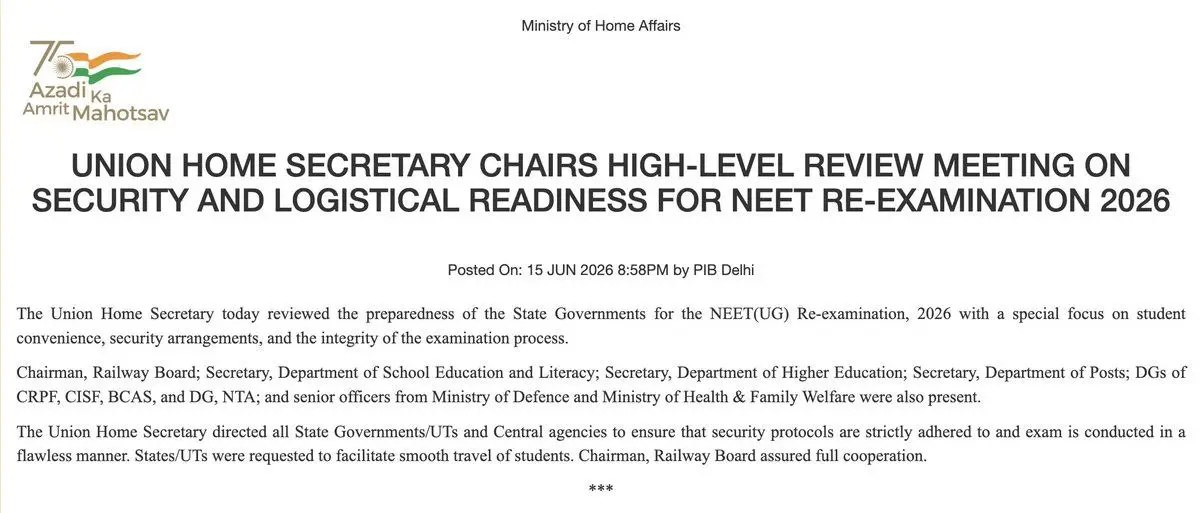
High-Stakes Health Check: Home Secretary Reviews N...
15 Jun 2026, 11:58 PMADVERTISEMENT

Top Stories
Kikkoman Plans First India Soy Sauce Manufacturing...
16 Jun 2026, 05:58 AM
The Street Food Superhero: Puchkaman Scales 150% a...
16 Jun 2026, 12:11 AM
The Silence Value: Luxury Travellers Shift to Soft...
16 Jun 2026, 12:08 AM