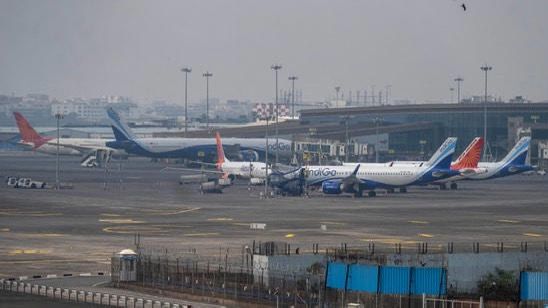
Mumbai’s relentless monsoon rains once again brought travel chaos to one of the world’s busiest airports, causing over 350 flight delays, multiple diversions, and widespread operational disruptions throughout the city. The downpour that began in the early hours persisted al...
Mumbai’s relentless monsoon rains once again brought travel chaos to one of the world’s busiest airports, causing over 350 flight delays, multiple diversions, and widespread operational disruptions throughout the city. The downpour that began in the early hours persisted all day, with some areas receiving over 200 mm of rainfall, impacting aviation, road, and train networks alike.
Key Highlights from the Airport and Beyond
More than 350 flights experienced delays and at least two were diverted—to Nagpur and Ahmedabad—due to heavy rain and poor visibility at Mumbai’s Chhatrapati Shivaji Maharaj International Airport.
Between midnight and 6 am alone, 15 incoming flights had to perform go-arounds—a safety maneuver that occurs when landing conditions are not suitable; several more faced delays as the day progressed.
According to Flightradar data, 283 departing flights were delayed while 77 arriving aircraft ran behind schedule.
The India Meteorological Department reported that Vikhroli recorded the heaviest rainfall at 248.5 mm, followed by Santacruz, Sion, and Juhu—all above 200 mm.
A significant incident involved an IndiGo Airbus A321 that experienced a tail strike during a low-altitude go-around but landed safely on the subsequent attempt; all passengers and crew were unharmed.
Airlines including IndiGo, SpiceJet, and Akasa Air issued travel advisories urging passengers to check flight status before leaving home and to allow extra travel time due to waterlogged roads and traffic snarls.
The airport and airline staff coordinated emergency responses, and aircraft affected by incidents underwent necessary checks and regulatory clearances before resuming service.
Citywide Impacts: Waterlogging, Landslides, and Cautions
Mumbai’s woes extended beyond the airport. Intense rainfall caused severe waterlogging in neighborhoods like Andheri, Kurla, Chembur, Sion, Bandra, Juhu, and Santacruz. Flooded subways, paralyzed traffic, and delayed local trains left thousands of commuters stranded. The city’s iconic Western Express Highway became submerged, with public advisories urging residents to avoid non-essential travel.
A tragic landslide in Vikhroli West resulted in the deaths of two residents and the evacuation of several homes. Emergency and rescue teams remained on high alert, clearing debris and assisting in relief operations.
Monsoon Patterns and Ongoing Risks
Meteorologists attributed the deluge to a strong low-pressure system and forecast continued heavy rain through August 19. With gusting coastal winds up to 65 km/h, authorities remain concerned about the risk of further urban flooding, especially at high tide.
The Brihanmumbai Municipal Corporation (BMC) and Mumbai Police monitored the situation, deploying engineers, pump operators, and traffic officials citywide to address emergencies and maintain drainage.
Community Resilience and Advisory
While Mumbai’s resilience in the face of seasonal adversity is remarkable, the city’s recurring flood crisis underscores the need for more robust infrastructure, drainage, and urban planning reforms. Authorities and airlines urged travelers to check real-time updates, factor in delays, and stay patient as emergency responses continued.
Looking Ahead
With more rain predicted, Mumbai’s travel advisories remain in effect as the city works to restore normalcy and minimize disruptions. Emergency services—from airport teams to civic agencies—continue working round the clock to support stranded passengers and residents during this peak monsoon emergency.
Sources: News18, Hindustan Times, The Logical Indian