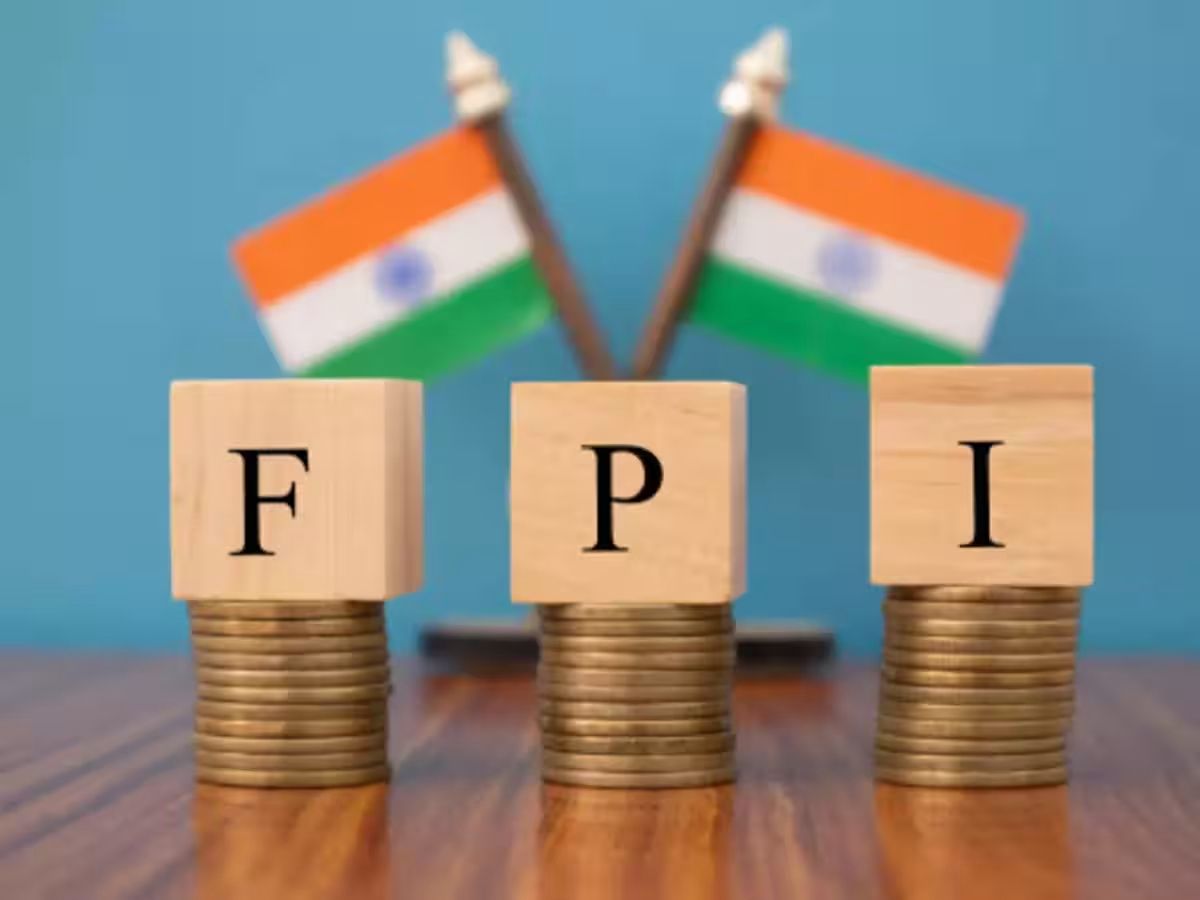
Foreign Portfolio Investors poured ₹23,544 crore into Indian equities in August, building on July’s momentum. Driven by Q1 earnings revivals, rupee stability, and shifting global liquidity away from stretched tech valuations, this influx signals a strong turnaround following months of heavy capital outflows.
Backed by depository data and market analyses, foreign portfolio inflows have rebounded sharply, driven by encouraging corporate earnings and currency stability.
Reversing Months of Outflows With Strong August Inflows
Indian financial markets experienced a decisive sentiment shift in August 2026, as Foreign Portfolio Investors (FPIs) re-established their footprint in domestic stocks. According to the latest depository data released by the Central Depository Services Limited (CDSL) and reports from The Economic Times, foreign investors infused a net total of ₹23,544 crore into Indian equities during the month.
This capital return builds directly upon July's investment of ₹20,200 crore, marking a robust recovery after a prolonged selling streak earlier in the year. Market specialists note that the renewed buying momentum spans both secondary and primary markets, highlighting renewed confidence in India’s macroeconomic trajectory despite broader global uncertainties.
Sectoral Preferences and Driving Macroeconomic Factors
The resurgence of foreign capital was not distributed uniformly across all sectors, with institutional buyers demonstrating targeted asset allocation strategies. Key underlying drivers and structural movements highlighted by market analysts include:
Primary vs. Secondary Allocations: Of the total August inflows, ₹14,118 crore was deployed directly through open market stock exchange purchases, while ₹6,426 crore was channeled through primary market public offerings.
Q1 Earnings Growth: Strong corporate performance reports for the first quarter exceeded consensus estimates, convincing institutional allocators of resilient domestic fundamentals.
Global Tech Realignment: International institutional capital has begun shifting away from stretched valuations in overseas artificial intelligence ("chip trade") sectors back toward emerging market equities.
Mid-Cap Preference: Analysts observe that FPIs are selectively accumulating mid-cap equities despite elevated valuations, while remaining cautious on traditional heavyweights in banking and IT.
Why It Matters
The practical implications of these capital flows resonate deeply for retail investors, mutual fund systematic investment plan (SIP) holders, and corporate treasuries. Sustained foreign institutional inflows help stabilize domestic equity indices, support ongoing initial public offerings (IPOs) in the primary market, and provide adequate currency support by buffering against broader international outflows.
Key Facts at a Glance
Total August Inflow: ₹23,544 crore invested in Indian equities up to the fourth week of August.
Market Split: ₹14,118 crore via secondary stock exchanges and ₹9,426 crore through primary market channels.
Preceding Trend: Follows a ₹20,200 crore infusion in July, breaking four consecutive months of heavy foreign selling earlier in the year.
Debt Market Trends: Mixed institutional flows, featuring inflows via the Fully Accessible Route (FAR).
FAQ Section
What caused the sharp turnaround in Foreign Portfolio Investor buying in August?
FPIs returned due to better-than-expected corporate earnings growth, relative stability in the Indian rupee, and a global reallocation of funds away from overvalued technology sectors.
How much capital did FPIs withdraw earlier in the year before this recovery?
Prior to the buying momentum in July and August, foreign investors pulled out approximately ₹2.3 lakh crore across the earlier months of 2026, matching heavy cyclical outflows.
Are foreign investors buying large-cap or mid-cap stocks during this phase?
According to market strategists, FPIs are selectively targeting high-potential mid-cap stocks while exercising caution regarding traditional large-cap banking and IT counters.
Where can investors track official updates on daily institutional flows?
Verified trade statistics and depository updates are published regularly through financial tracking portals like The Economic Times Markets Section.
Source: The Economic Times, Times of India, Akashvani News