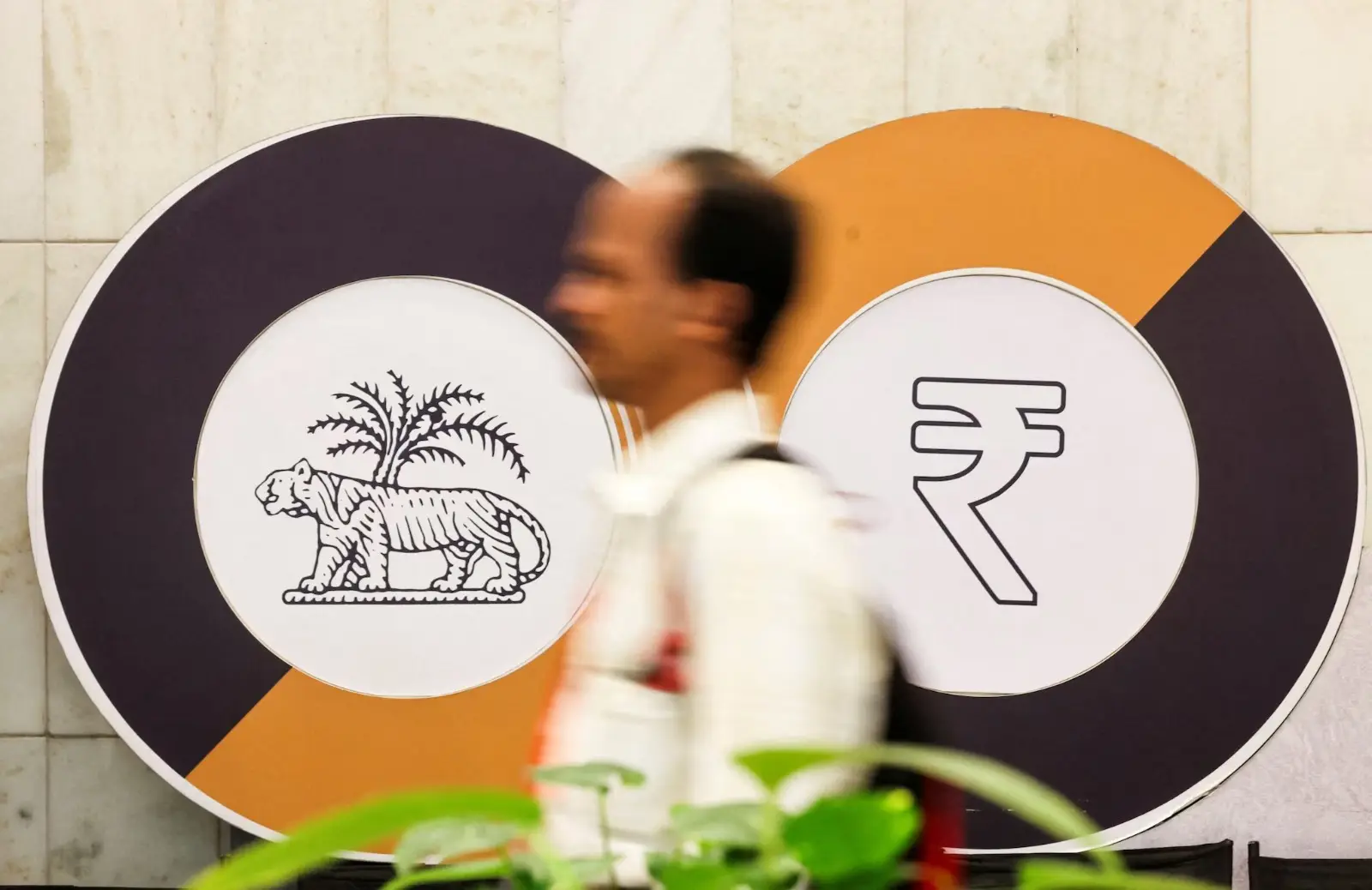
The Reserve Bank of India announced a Variable Rate Repo (VRR) auction of ₹500 billion on June 25, 2026, to inject short-term liquidity into the banking system. The move is designed to ease temporary tightness in money markets caused by recent corporate advance tax and GST payment outflows.
MUMBAI — The Reserve Bank of India (RBI) announced that it will conduct a Variable Rate Repo (VRR) auction of ₹500 billion. The critical money market intervention, scheduled for Thursday, June 25, 2026, aims to infuse immediate short-term liquidity directly into the domestic banking system to smooth over emerging capital deficits.
This quick fiscal injection comes as commercial lenders experience increased cash flow pressures from seasonal tax payments and fluctuating public expenditure cycles. By activating its repo mechanism, the central bank intends to provide a reliable capital backstop, ensuring that overnight interbank borrowing rates remain closely anchored within the official policy bounds.
Central Bank Deploys VRR Window to Mitigate Short-Term Tightness
The decision to conduct a VRR auction of ₹500 billion highlights the RBI's proactive approach to managing the banking system's day-to-day liquidity needs. Under the Variable Rate Repo mechanism, commercial banks can borrow short-term funds from the central bank by pledging eligible government securities as collateral. Unlike fixed-rate windows, the interest rate for this operation is determined through competitive bidding, allowing the market to find its natural equilibrium based on immediate demand.
Market dealers state that systemic liquidity has experienced significant shifts this week. Accelerated outflows related to corporate advanced tax obligations and statutory GST settlements have temporarily pulled cash out of commercial bank vaults and parked it inside government accounts. This rapid shift in capital blocks often triggers sudden spikes in the Weighted Average Call Rate (WACR), the primary operating target of India's monetary policy. The ₹500 billion injection is specifically sized to neutralize these seasonal headwinds and maintain smooth operations across trading desks.
Impact on Lenders, Corporate Credit, and Interbank Markets
The structural cash infusion directly changes the short-term balance sheets of scheduled commercial institutions. Accessing the central bank’s VRR auction allows commercial banks to secure liquid reserves without having to draw heavily from premium overnight facilities, such as the Marginal Standing Facility (MSF), which functions at a higher interest rate premium.
For the broader financial system, keeping interbank rates stable prevents unnecessary borrowing costs from trickling down into the commercial paper and certificates of deposit (CD) markets. Corporate borrowers and short-term commercial enterprises rely heavily on stable money market rates to manage working capital loans. By containing sudden shifts in institutional funding costs, the RBI ensures that short-term economic credit remains predictable and available during periods of heavy tax extraction.
Official Sources Section
The operational parameters, auction timelines, and capital sizes outlined in this monetary report are based on official statutory notifications published by the Reserve Bank of India (RBI). Daily cash balance flows and money market execution logs are tracked transparently via the central bank’s Financial Markets Operations Department (FMOD) and verified alongside banking data compiled by the Ministry of Finance.
Quote Section
"The central bank's choice to launch a ₹500 billion VRR auction demonstrates a targeted effort to smooth over seasonal cash-flow drains," noted money market treasury heads in Mumbai. "According to officials, while overall durable liquidity remains manageable, short-term interventions are essential to prevent temporary settlement imbalances from driving overnight call rates above the core policy corridor."
Why It Matters
Active management of systemic liquidity through targeted operations like the VRR auction plays a vital role in keeping corporate and retail credit lines steady. If the central bank allowed short-term liquidity deficits to spiral unaddressed, commercial banks would be forced to bid aggressively for interbank funds, triggering a sharp rise in short-term interest benchmarks. Over time, sustained money market volatility can make short-term corporate debt more expensive, potentially increasing capital costs for businesses and slowing credit distribution across retail sectors.
Key Facts at a Glance
Targeted Injection: The Reserve Bank of India has announced a Variable Rate Repo (VRR) auction targeting a total size of ₹500 billion.
Operational Goal: The operation focuses on infusing immediate short-term capital to ease liquidity constraints across commercial banking desks.
Market-Driven Rates: Interest rates for the borrowed capital will be decided through a transparent, competitive institutional bidding process today.
Tax-Driven Outflows:* Tightening systemic liquidity conditions stem primarily from heavy corporate advance tax and GST settlement outflows.
FAQ Section
Q1: What exactly is a Variable Rate Repo (VRR) auction?
A VRR auction is a short-term liquidity adjustment tool used by the RBI to inject cash into the banking system. Banks borrow these funds by placing government securities as collateral, with the borrowing rate determined by competitive bidding.
Q2: Why is the banking system currently facing a cash crunch?
Liquidity often tightens mid-quarter due to major statutory outflows, such as corporate advance tax payments and goods and services tax (GST) collections, which pull cash out of commercial banks and deposit it into government accounts.
Q3: How does this cash injection benefit retail consumers?
While VRR auctions target institutional money markets, stabilizing interbank rates prevents short-term funding costs from surging, which helps banks keep commercial and retail loan rates steady.
Q4: Where can institutions view the final results and cut-off rates of the auction?
The final operational results, including total bids received, accepted amounts, and the final weighted average cut-off rate, are posted on the official Reserve Bank of India (RBI) press relations portal following the close of bidding.
Source: Official Money Market Operations Notification Logs issued by the Reserve Bank of India (RBI) and public banking liquidity charts published by the Financial Markets Operations Department.