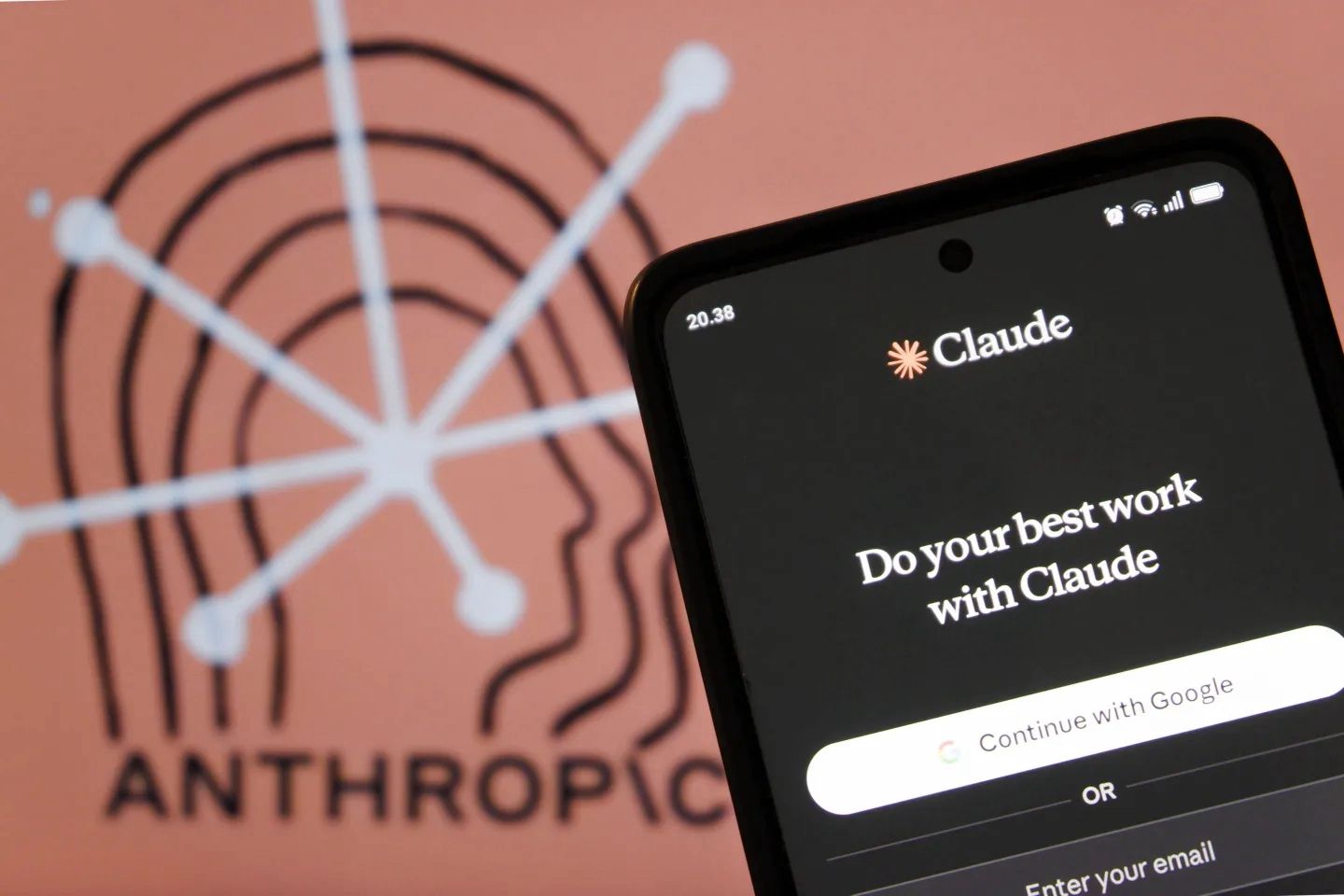
Anthropic has launched "Claude Tag," an agentic AI coworker available in research preview for Slack Enterprise and Team users. Operating directly inside group channels via the @Claude handle, the tool tracks conversation context, executes multi-stage tasks like code analysis, and proactively flags relevant updates while maintaining strict channel-level data security.
SAN FRANCISCO, California — Artificial intelligence powerhouse Anthropic officially launched a new cooperative workplace tool called "Claude Tag" on Tuesday, June 23, 2026. Introduced as an active research preview, the advanced software integrates directly into Salesforce's Slack corporate communication ecosystem, functioning less like a basic automated bot and more like an always-on, multiplayer employee within team chat rooms.
This development reshapes corporate operations, enterprise software deployment, and workflow management for tech-reliant businesses today. While prior iterations of corporate generative models were limited to private, one-on-one chat windows, Claude Tag lives publicly within shared company channels. By tracking conversations in real time, the agentic coworker can understand the subtle context of a project, write software code, and autonomously nudge human workers to finish incomplete tasks without requiring constant re-explanation.
The Shift to Multiplayer and Agentic AI Collaboration
According to technical documentation released on the official Anthropic Newsroom, Claude Tag replaces the legacy "Claude in Slack" application with a more capable architectural layout. Built directly on top of the newly deployed Opus 4.8 model framework, the system is designed to handle multi-step workflows.
When a team member summons the agent by typing "@Claude" into any active channel, the software breaks the assignment down into distinct operational phases. It then completes those steps asynchronously behind the scenes, allowing humans to focus on other tasks.
The feature’s primary advantage lies in its shared channel presence. Unlike isolated chatbot extensions, a single instance of Claude interacts with everyone in a specific room. This transparency allows any employee to view what the agent is building, critique its outputs, or pick up a collaborative thread exactly where a previous colleague left off. Anthropic reported that the internal deployment of this tool has been highly successful, with roughly 65% of its own product team's core codebase currently generated directly by Claude Tag.
Strict Data Siloing and Administrative Controls
Because giving an active artificial intelligence access to internal corporate chatter can create significant data compliance risks, Anthropic has paired the tool with extensive administrative governance panels. System administrators retain complete granular authority over data access permissions on a channel-by-channel basis.
The security framework ensures that separate channel instances maintain completely isolated memories and functional boundaries. For example, an instance configured to assist a corporate legal department is prevented from passing memories, training tokens, or documents to an instance deployed within an engineering group. Furthermore, administrators can monitor comprehensive activity logs detailing which staff members requested individual tasks, how many compute tokens were consumed, and what specific corporate files were used during the execution process.
Quote Section
"A lot of the capabilities did exist, but actually the form factor of being able to tag it the same way that you would a coworker is really powerful," stated Cat Wu, Anthropic's Head of Product for Claude Code, during a launch interview. "According to officials guiding our Enterprise division, the tool can sit and watch the entire channel context when ambient behavior is enabled. Organizers stated that it can set tasks for itself, allowing it to work autonomously to flag relevant information or follow up on unresolved threads."
Why It Matters
The rollout of Claude Tag into active research environments has immediate practical implications for project managers, enterprise software engineers, and financial compliance officers. By turning an AI model into a collaborative team participant that tracks historical chat context, businesses can drastically cut down on onboarding times and eliminate repetitive written status updates. Additionally, its ability to analyze logs and proactively flag bugs within Slack helps teams catch costly system outages or production errors early, before they escalate.
Key Facts at a Glance
Multiplayer Chat Design: Claude Tag introduces a shared AI identity within a Slack room, allowing multiple employees to see, edit, and build upon the agent's work threads.
Agentic Problem Solving: The tool breaks complex human prompts down into sequential stages, executing assignments like code merges or data analysis entirely in the background.
Proactive Ambient Behavior: When turned on by managers, the software reads the room, flags relevant cross-departmental updates, and revives stale threads to keep tasks moving.
Strict Security Walls: System administrators can lock down data permissions by channel, ensuring sensitive legal or financial information never spills over into engineering chats.
Enterprise Plan Availability: The tool is available starting today in a research preview format for corporate accounts subscribed to Claude Enterprise and Claude Team tiers.
FAQ Section
How do I add the new Claude Tag assistant to an active corporate Slack channel?
Workspace administrators must first update their existing integration to the new version through the Slack Marketplace. Once installed, managers can invite @Claude into specific public or private channels and configure its data tool permissions.
Will our private company conversations be used by Anthropic to train future AI models?
No. According to Anthropic’s enterprise data privacy guidelines, all text inputs and outputs processed within Claude Team or Enterprise Slack channels are excluded from model training cycles by default.
What happens to the older "Claude in Slack" application?
The new Claude Tag framework completely replaces the legacy app. Administrators have a 30-day window to opt-in and migrate their existing system configurations over to the new agentic platform.
Source: Official product document directories hosted by Anthropic, integration deployment guides published on the Slack App Marketplace, and venture tracking portfolios registered with Salesforce Ventures.