In a rapidly evolving crisis with global energy implications, Russia may be forced to cut oil production following a series of Ukrainian drone attacks on key Baltic Sea ports and refineries, according to multiple industry sources. The strikes have severely disrupted Russia’s refining capaci...
In a rapidly evolving crisis with global energy implications, Russia may be forced to cut oil production following a series of Ukrainian drone attacks on key Baltic Sea ports and refineries, according to multiple industry sources. The strikes have severely disrupted Russia’s refining capacity and export infrastructure, prompting Transneft, the country’s state-owned oil pipeline monopoly, to restrict oil storage and warn producers of potential intake limitations.
This exclusive development, reported on September 16, 2025, underscores the growing vulnerability of Russia’s energy sector amid intensifying conflict and strategic targeting of its economic lifelines.
What Happened?
Since August, Ukraine has escalated its campaign of drone strikes against Russian energy assets, targeting critical infrastructure such as:
-
Primorsk and Ust-Luga, Russia’s largest Baltic Sea oil export ports
-
At least 10 oil refineries, including the Kirishi refinery, which was hit earlier this month
These attacks have reportedly reduced Russia’s refining capacity by nearly 20% at one point. The strategic intent behind the strikes is clear: to undermine Russia’s war effort by slashing its oil revenues, which have historically accounted for one-third to half of the federal budget.
Transneft’s Response: Storage Restrictions and Intake Warnings
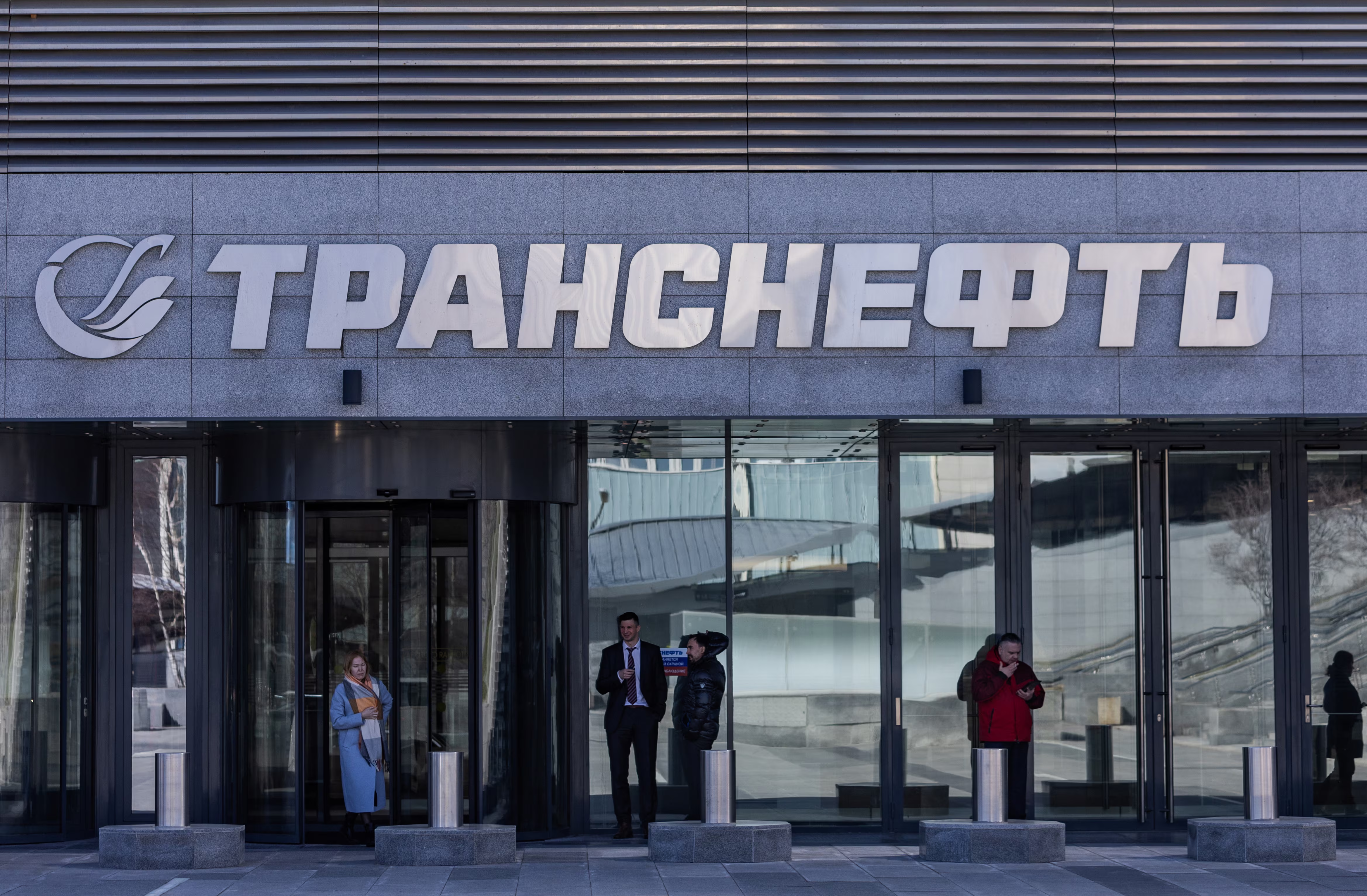
In response to the mounting damage, Transneft has taken the unprecedented step of restricting oil storage within its pipeline system. According to two sources close to Russian oil firms, the company has informed producers that it may accept less oil if infrastructure damage continues2.
Transneft, which handles over 80% of Russia’s oil output, plays a central role in transporting crude from production sites to refineries and export terminals. Its warning signals a potential bottleneck that could force producers to scale back output, even if upstream operations remain technically viable.
Three sources familiar with Russia’s oil pumping operations confirmed that production cuts are now a real possibility, depending on the extent of further damage.
Global Implications: A Shockwave Through Oil Markets
Russia accounts for approximately 9% of global oil production, making it one of the top three producers worldwide. Any significant reduction in output could ripple through international markets, affecting:
-
Crude oil prices, which have already seen a modest uptick (WTI up 1%, Brent up 0.8%) following the news
-
Supply chains, especially in Asia, where Russia has rerouted much of its oil exports post-sanctions
-
Geopolitical dynamics, as energy security becomes increasingly weaponized in the Russia-Ukraine conflict
The attacks on Primorsk, Russia’s largest oil port with a capacity of over 1 million barrels per day, are particularly alarming. This facility alone handles more than 10% of Russia’s total oil output, and its temporary shutdown last week marked the first direct hit since the war began in 20222.
Drone Strikes: “The Fastest Working Sanctions”?
Ukrainian President Volodymyr Zelenskyy has described the drone strikes on Russian oil infrastructure as “the sanctions that work the fastest.” While Western nations have imposed multiple rounds of economic sanctions on Russia, targeting its energy sector, the drone campaign appears to be delivering more immediate operational disruption.
Analysts suggest that this hybrid strategy—combining sanctions with tactical strikes—could redefine how economic warfare is waged in modern conflicts.
What’s Next?
Russian authorities have not publicly commented on the full extent of the damage or its impact on production. However, the silence from Transneft, which declined to respond to media inquiries, adds to the uncertainty.
Industry insiders believe that unless infrastructure repairs are expedited and further attacks are prevented, Russia may have no choice but to curtail oil production, a move that could reshape global energy flows and deepen the economic fallout of the war.
Sources Economic Times, Yahoo News, Markets.com