




Loading market data...
ADVERTISEMENT

Latest Top News
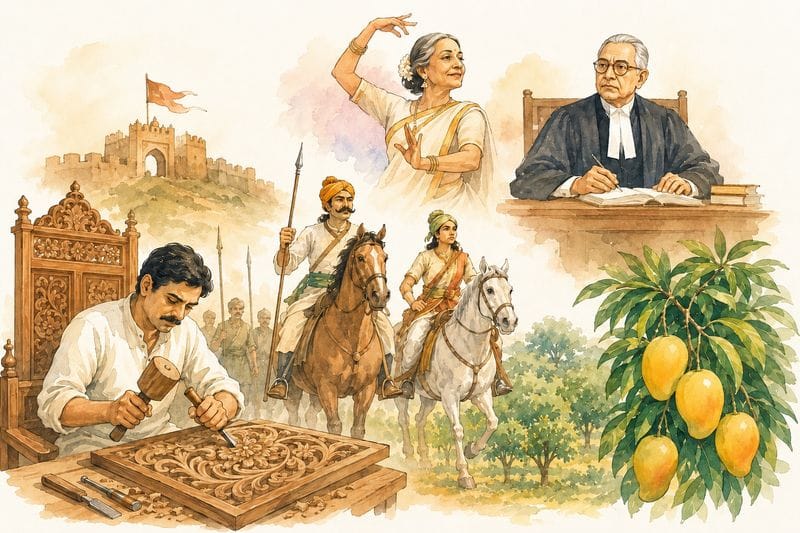
Saharanpur Preservation: Balancing Urban Growth with Craft Heritage
SAHARANPUR — The Ministry of Housing and Urban Affairs, in coordination with the local municipal corporation, has formalized an integrated regional development blueprint for Saharanpur, Uttar Pradesh. Announced on July 5, 2026, the comprehensive framework outlines fresh structural investment aimed at transforming the historic settlement into a modernized, sustainable export hub. The multi-phased initiative prioritizes upgrading traditional artisan quarters while preserving prominent heritage infrastructure linked to the area's rich industrial and socio-political history.This development holds immense importance for northern India’s economic landscape today. As fast-expanding tier-2 cities face the pressures of rapid urbanization, Saharanpur serves as a key case study in successfully balancing commercial expansion with cultural preservation. The initiative directly impacts the livelihoods of thousands of specialized wood craftsmen by improving trade infrastructure, expanding digital marketing channels, and maintaining the historical identity that forms the backbone of the city's global branding.Restructuring the Wood-Carving Hub of South AsiaThe primary engine driving the economy of Saharanpur is its world-renowned wooden handicraft cluster. According to production indicators tracked by state trade registries, the city’s specialized small-scale industries supply more than 70 percent of India’s total hand-carved wooden furniture exports. The local economy relies on a deep-rooted network of family workshops and centralized cooperatives specializing in transforming sustainably sourced timbers, mainly Indian Rosewood (Shisham), into export-grade items distributed across European and Middle Eastern luxury markets.The new development plan addresses long-standing infrastructure challenges faced by these industrial clusters. Planned allocations will establish dedicated raw material banks, specialized wood-seasoning kilns, and integrated common facility centers equipped with modern design software. By reducing processing overheads and offering direct logistical connections to major transit routes, the project directly shields small-scale craftsmen from fluctuating middleman margins, boosting net revenue margins for thousands of local families.Chronology of Civil Resistance and Historical CourageBeyond its commercial significance, the geographical positioning of Saharanpur in the upper Ganges-Yamuna Doab has fostered a historical legacy of social and civil resistance. Archival land and state histories document a continuous timeline of community resilience against external forces. During the late 14th century, local alliances formed organized defensive fronts to protect the agricultural topography from invading armies, establishing a regional tradition of grassroots defiance.This culture of active resistance became increasingly prominent during the British colonial period. In 1813, the region witnessed an early wave of anti-colonial peasant and landholder uprisings, which laid the groundwork for the widespread participation of Saharanpur's population in the First War of Indian Independence in 1857. This historical context of socio-political conscience continues to influence the cultural identity of the modern municipality.Legal Integrity and Cultural Giants Shape Regional IdentityThe modern history of the district is heavily defined by pioneering individuals who stood up for ethical principles. A primary example celebrated within Indian legal history is Justice Sayyad Agha Haider. In 1930, as an appointed member of the Special British Tribunal overseeing the trial of revolutionary Bhagat Singh, Justice Haider famously refused to compromise judicial ethics under intense colonial pressure. His principled stance against pre-determined state verdicts led to his immediate resignation, cementing his legacy as a symbol of judicial independence.The city has left a similarly permanent mark on the nation's artistic and educational foundations. It is the birthplace of the globally acclaimed dancer, choreographer, and actress Zohra Sehgal, born in 1912, who challenged contemporary social boundaries across an international career spanning eight decades.Additionally, the establishment of the prestigious Islamic academic institution Darul Uloom Deoband in 1867 within the district introduced an influential school of thought that actively opposed the partition of the Indian subcontinent, championing joint nationalism and civic solidarity.Official Sources SectionAccording to official project guidelines published by the District Administration of Saharanpur, urban development allocations are structured to preserve the structural landmarks of the old city.The Ministry of Housing and Urban Affairs verified that historic entry checkpoints, including the Mali Gate, Sarai Gate, Buria Gate, and Lakhi Gate, will undergo restorative conservation to promote sustainable heritage tourism across the region.Quote Section"According to officials at the urban development department, the master plan is designed to reinforce the city's unique economic advantages. By blending modern logistical infrastructure with historical preservation, we ensure that Saharanpur continues to grow as a competitive global export hub while honoring the deep heritage of its people."Why It MattersThe structural modernization of specialized clusters like Saharanpur provides crucial stability for emerging economies. For global consumers and corporate buyers, upgrading these artisan hubs ensures a stable supply of authentic, ethically manufactured handicraft goods. For regional investors, the strategic development of high-speed transport links around the district secures its position as an important logistical gateway connecting North Indian trade paths, boosting long-term commercial real estate value.Key Facts at a GlanceExport Leadership: Saharanpur generates over 70% of India's total exported wooden handicraft products.Urban Redesign: Integrated into the central government's urban modernization plans to update old town manufacturing zones.Artisan Welfare: The master plan funds raw material banks and specialized wood-seasoning kilns to reduce small-business overheads.Ethical Roots: Birthplace of major historical figures of conscience, including judicial non-conformist Justice Sayyad Agha Haider.Heritage Tourism: Conservation efforts are targeting the historical Mughal-era entrance systems, including the Lakhi and Mali gates.Frequently Asked Questions (FAQ)Why is Saharanpur referred to as the Wood Carving Capital?The city has earned a global reputation due to its concentration of master woodcarvers who have preserved intricate, hand-chiseled styling techniques across generations, making the district the largest exporter of finished Shisham wood handicrafts in South Asia.How does the new urban plan directly help local artisans?The plan allocates public funds to build common manufacturing facilities, public seasoning kilns, and dedicated raw material banks. These resources lower the baseline production costs for micro-enterprises and protect them from supply chain exploitation.What role did the city play in India's legal and freedom history?Saharanpur has a deep history of civil conscience. Notably, local judge Justice Sayyad Agha Haider resigned from a high-profile British tribunal in 1930 rather than sign the politically motivated death sentence of freedom fighter Bhagat Singh.Which historic gates are being preserved under the municipal project?The state-backed heritage conservation initiative is actively restoring the architectural elements of the city's four remaining historical access points: the Lakhi Gate, Mali Gate, Buria Gate, and Sarai Gate.Source: Official Master Plan Documents from the District Administration of Saharanpur, National Urban Renewal Project Trackers from the Ministry of Housing and Urban Affairs, and the Export Promotion Council for Handicrafts (EPCH) Statistical Bulletins.
Stay Ahead – Explore Now! Yogi Infra Projects Secures Purchase Orders Worth 486.2 Million Rupees
ADVERTISEMENT

Latest Updates

Indian Junior Men's Hockey Team Leaves for Belgium...
05 Jul 2026, 05:49 PM
High-Thymol Culinary Spice Clinically Proven to Al...
05 Jul 2026, 05:46 PM
MY Bharat Leads Rural and Urban Youth Integration...
05 Jul 2026, 05:38 PM
Who Was Jaswant Singh Khalra? Meet The Activist Wh...
05 Jul 2026, 05:31 PM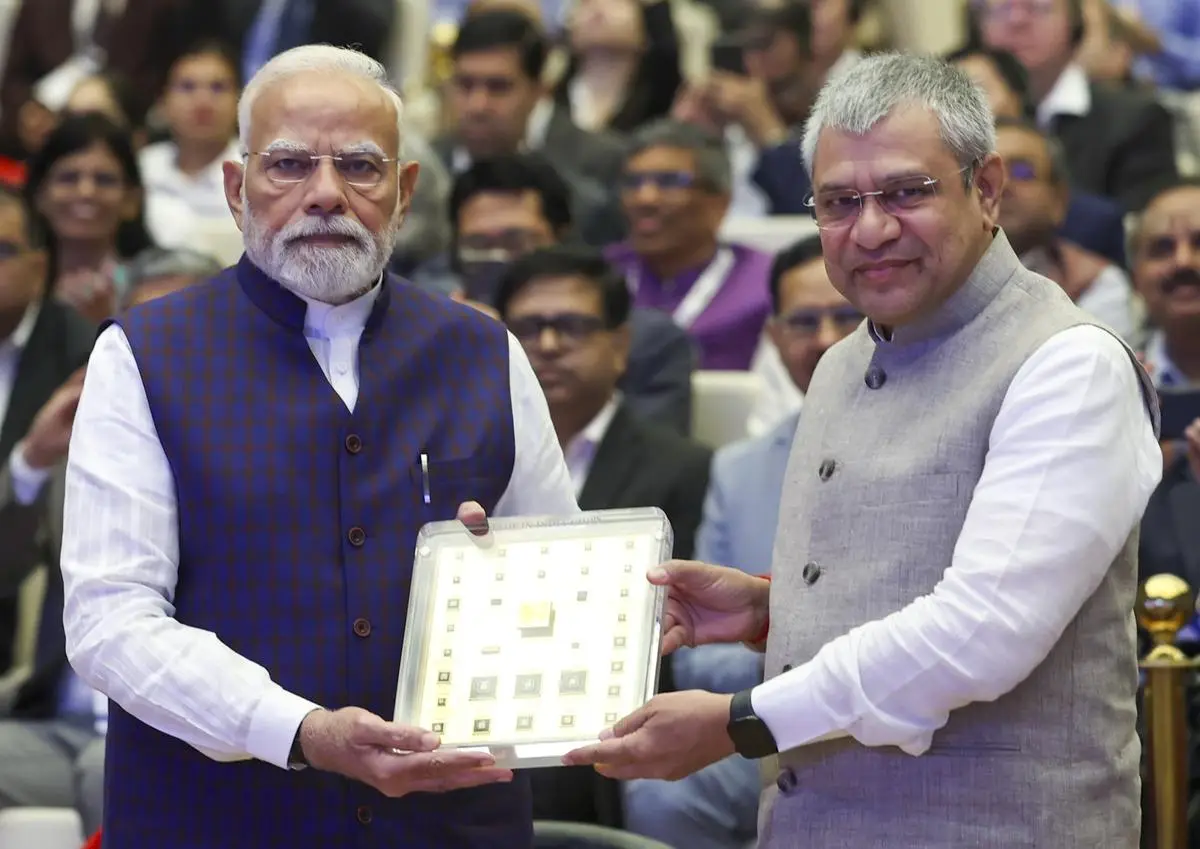
India on Track for Five Operational Semiconductor...
05 Jul 2026, 05:28 PMADVERTISEMENT

Top Stories
Indian Junior Men's Hockey Team Leaves for Belgium...
05 Jul 2026, 05:49 PM
High-Thymol Culinary Spice Clinically Proven to Al...
05 Jul 2026, 05:46 PM
MY Bharat Leads Rural and Urban Youth Integration...
05 Jul 2026, 05:38 PM