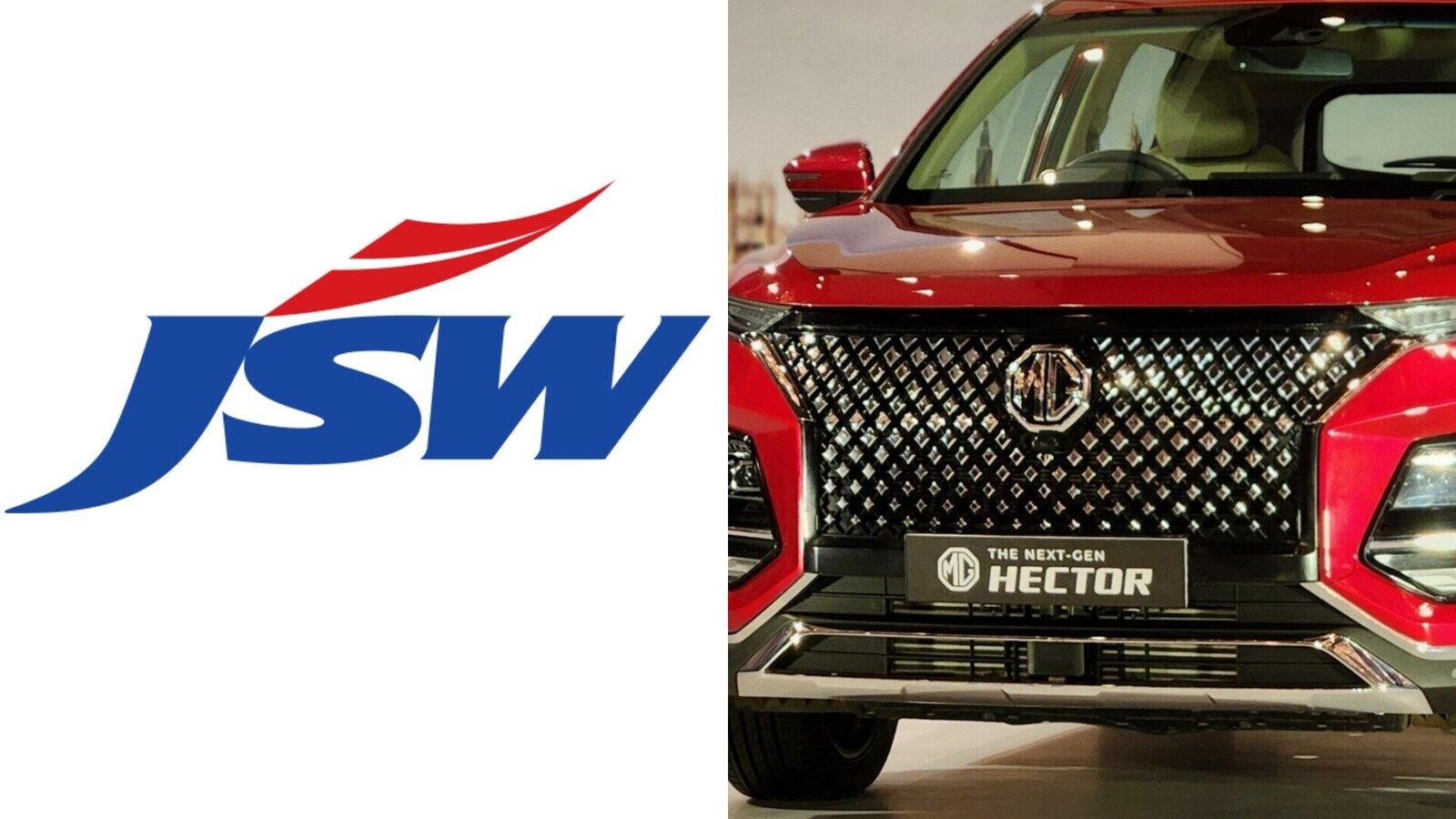
China’s SAIC Motor Corporation is reportedly in advanced talks to sell most of its stake in its Indian joint venture with JSW Group. However, sources indicate that the companies remain at an impasse over valuation, complicating the path to a swift resolution.
Stake Sale Refle...
China’s SAIC Motor Corporation is reportedly in advanced talks to sell most of its stake in its Indian joint venture with JSW Group. However, sources indicate that the companies remain at an impasse over valuation, complicating the path to a swift resolution.
Stake Sale Reflects Strategic Retreat
SAIC Motor, a major player in the global automotive industry, currently holds a 49% stake in the India-based joint venture with JSW Group, which controls 35%. This JV, known largely through the brand JSW MG Motor India, manufactures a range of electric and internal combustion engine vehicles tailored for the Indian market.
Recent reports reveal SAIC’s intent to significantly reduce its shareholding in the joint venture while halting fresh investments. This move underscores SAIC’s broader reprioritization towards its core markets in China and Europe, while recalibrating its India strategy amid geopolitical and market challenges.
Valuation Standoff Delays Deal
While JSW Group has expressed interest in acquiring the larger portion of SAIC’s stake to become the controlling shareholder, negotiations have hit a roadblock over price. SAIC is reportedly seeking a higher valuation for its stake than JSW is willing to pay, prolonging discussions.
This valuation gap stems from differing views on the joint venture’s current performance, growth prospects, and market risks, complicated further by political tensions between India and China affecting cross-border investment sentiment.
Impact on the Joint Venture and Market
The JSW-SAIC JV has seen mixed fortunes, with the joint venture emerging as a key electric vehicle manufacturer in India, credited with popular models like the Windsor EV. Despite rapid growth, JSW MG Motor India has faced financial headwinds and cash flow constraints, making the stake transfer a critical turning point.
JSW’s plan to increase equity aims to consolidate control and steer the JV towards stable growth, including launching new EV models and expanding manufacturing capacity. Meanwhile, SAIC is expected to continue providing technological support even as it scales back direct investment.
Geopolitical and Economic Backdrop
The stake reduction aligns with India’s tightened regulations on Chinese investments, favoring greater domestic ownership. Tensions between the two Asian neighbors have created a challenging environment for Chinese firms operating in India, prompting strategic recalibrations.
Despite these pressures, JSW’s ambitions position the JV as a potential leader in India’s evolving automobile and EV sector, leveraging local production advantages and government incentives.
Forward Outlook
Resolution of the valuation dispute will be critical to finalizing the stake sale, enabling JSW to become the major shareholder. Market watchers anticipate regulatory approvals and possible capital raises from JSW to fund its increased equity.
The JV’s success amidst competitive pressures from global and domestic automakers, including the entry of Tesla into India, will depend on execution, product innovation, and cost management.
Sources: Reuters, MoneyControl, JJSW Group Official, Economic Times, July 2025