In a promising development for India’s steel sector, the Steel Authority of India Ltd (SAIL) has announced that coking coal supplies from its Mozambique joint venture are expected to resume within the next couple of months. This marks a crucial step in SAIL’s strategy to secure raw ma...
In a promising development for India’s steel sector, the Steel Authority of India Ltd (SAIL) has announced that coking coal supplies from its Mozambique joint venture are expected to resume within the next couple of months. This marks a crucial step in SAIL’s strategy to secure raw material availability amid global price volatility and supply chain disruptions.
The announcement was made by senior SAIL executives during a recent industry briefing, where they emphasized the importance of diversifying sourcing channels for coking coal—a critical input in steelmaking. The Mozambique JV, operated under the International Coal Ventures Ltd (ICVL) consortium, is set to play a pivotal role in this effort.
Mozambique Mines: A Strategic Asset
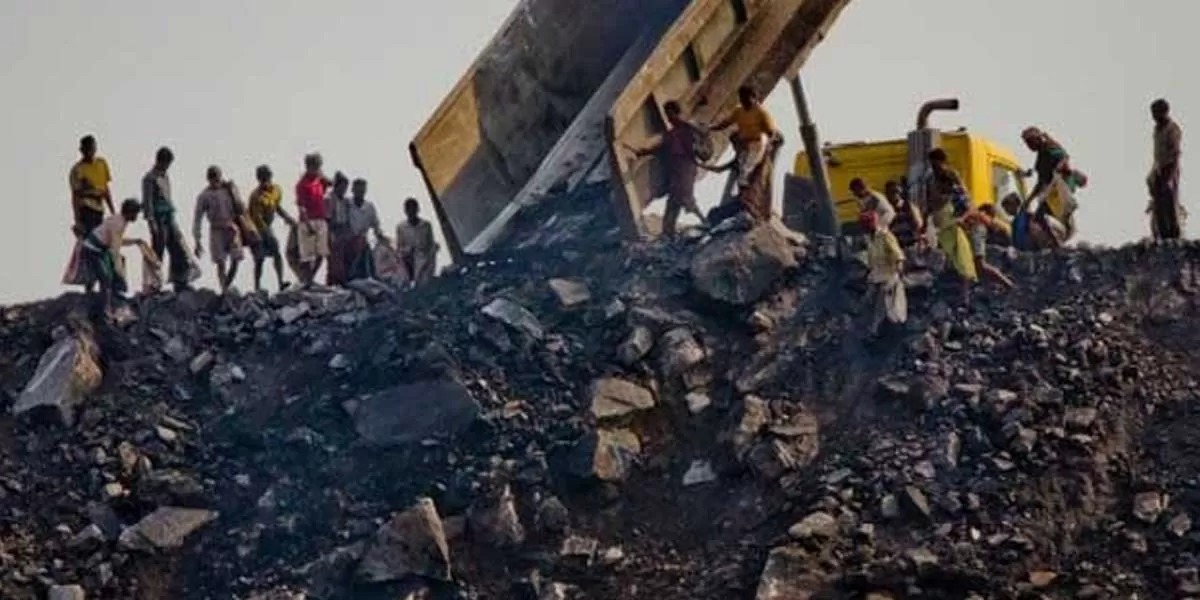
SAIL, along with other public sector partners like RINL and NMDC, holds stakes in three coal concessions in Mozambique—Benga, Zambeze, and Tete East. Of these, the Benga mine is currently operational and has been the primary source of coking coal for the consortium. The mine’s washery has a throughput capacity of 5.3 million tonnes per annum (mtpa), yielding approximately 2 mtpa of saleable coal, including high-grade coking coal for captive use.
The company is now preparing to double the capacity at Benga to 4.5 mtpa, backed by a proposed investment of $150–200 million. This expansion is expected to not only stabilize supply but also reduce dependence on volatile international markets2.
Why Coking Coal Matters
Coking coal is indispensable in the production of steel via the blast furnace route. India, despite being the second-largest producer of crude steel globally, remains heavily reliant on imports of coking coal, with annual shipments ranging between 70–75 million tonnes. Prices have surged dramatically in recent months, climbing by $100 per tonne, and currently hover around $350 per tonne.
This price spike, coupled with geopolitical tensions and logistical bottlenecks, has prompted Indian steelmakers to seek more stable and diversified sources. SAIL’s Mozambique JV is seen as a cornerstone in this strategy, offering long-term supply security and insulation from global market shocks.
SAIL’s Broader Strategy
Beyond the Mozambique initiative, SAIL is also exploring sourcing opportunities from Russia and the United States, with quarterly shipments from Russia already in place. The company is actively pursuing long-term contracts to mitigate raw material price fluctuations and ensure consistent supply for its steel plants.
SAIL’s Chairman and Managing Director, Amarendu Prakash, highlighted the urgency of these efforts during the Indian Steel Association’s coking coal summit, noting that the company is “de-risking the geographical distribution of coking coal sourcing” and “ramping up capacities at the Mozambique mines” as part of its broader raw material strategy.
Challenges and Risks
While the outlook is optimistic, SAIL has flagged several risks that could impact raw material security. These include:
-
Lease expiries on captive mines in India
-
Delays in forest clearances for key iron ore leases in Chhattisgarh
-
Approval bottlenecks in Jharkhand for open market iron ore sales
Additionally, the company is contending with Chinese steel export surges and the implementation of the Carbon Border Adjustment Mechanism (CBAM) in Europe, both of which are exerting downward pressure on global steel prices.
What’s Next?
With the Detailed Project Report (DPR) for the Benga expansion nearing completion, SAIL expects to finalize timelines and initiate capacity ramp-up soon. The resumption of coking coal supplies from Mozambique is anticipated to begin within October–November 2025, aligning with the company’s FY26 capex roadmap.
This move is expected to bolster SAIL’s competitiveness, support its decarbonization goals, and ensure uninterrupted production across its steel plants.
Sources: The Hindu BusinessLine, 360 Mozambique, Club of Mozambique