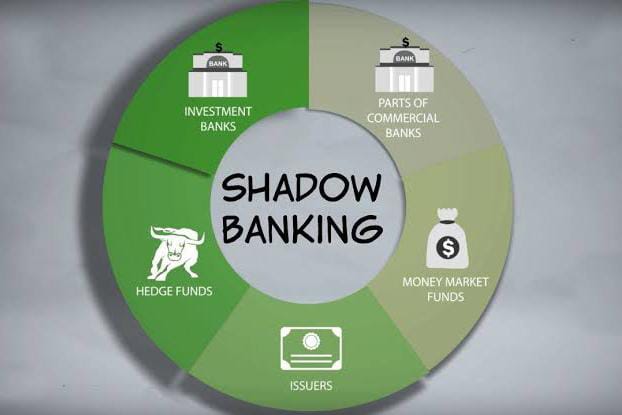
India’s micro, small, and medium enterprises (MSMEs) present a vital engine of economic growth and employment. An insightful chart of the day reveals an unexpected but important trend: it is not the traditional banks but shadow banks, primarily non-banking financial companies (NBFCs) and ot...
India’s micro, small, and medium enterprises (MSMEs) present a vital engine of economic growth and employment. An insightful chart of the day reveals an unexpected but important trend: it is not the traditional banks but shadow banks, primarily non-banking financial companies (NBFCs) and other shadow lenders, that are powering MSMEs with most of the credit support. This deep dive unpacks the current financing landscape of India’s MSMEs, highlighting the role and dynamics of shadow banking versus formal banking channels.
A Closer Look At MSME Financing Sources
The MSME sector’s credit needs are vast and diverse, ranging from working capital and short-term loans to asset financing. Key takeaways regarding who funds these enterprises include:
Predominance of Shadow Banks: NBFCs and other shadow banking entities account for a significantly larger share of MSME lending compared to traditional scheduled commercial banks. Their more flexible credit underwriting approach and quicker loan processing cycles make them the preferred choice for MSMEs.
Contribution Breakup: While scheduled commercial banks contribute a substantial amount (estimated roughly around 8.8 trillion rupees), shadow banks including NBFCs lend an even larger sum, estimated at 1.5 trillion rupees or more, according to recent RBI and industry reports.
Informal Sources Still Large: Besides formal shadow banks and banks, an unexpectedly large chunk of MSME financing comes from informal sources, including moneylenders and family borrowing, pointing to existing credit gaps and financial inclusion challenges.
Why Shadow Banks Are Favoured By MSMEs
Shadow banks play a transformative role in MSME financing due to multiple reasons:
Speed and Flexibility: Unlike large banks with rigid protocols and longer approval timelines, NBFCs offer prompt and flexible loans, often with customized repayment schedules suited to MSME cash flows.
Less Stringent Documentation: Many MSMEs find it difficult to furnish extensive collateral or paperwork required by formal banks, but shadow lenders use alternative data and risk models to assess creditworthiness.
Accessibility Across Regions: NBFCs have a wider footprint in semi-urban and rural areas where formal banking presence is limited, enhancing MSMEs’ access to credit.
Innovation in Credit Products: Shadow lenders introduce innovative loan products, including unsecured small-ticket loans and supply chain finance, catering effectively to MSMEs’ operational needs.
Risks And Challenges Associated With Shadow Banking
While shadow banks fill a crucial finance gap, the sector carries inherent risks and regulatory challenges:
Credit Quality Concerns: Some shadow lenders have faced rising non-performing assets (NPAs) due to aggressive lending and inadequate risk assessment, leading to stress in some segments.
Funding Constraints: Unlike banks, NBFCs rely heavily on capital markets and bank borrowings, making them vulnerable to liquidity crunches and interest rate volatility.
Regulatory Scrutiny: The Reserve Bank of India continues to tighten norms around shadow banking to curb financial instability, monitor systemic risks, and ensure consumer protection.
Dependence on Informal Credit Remains: A large portion of MSMEs still resort to informal lending, indicating that shadow banking alone cannot plug the credit gap fully without further financial inclusion efforts.
Recent Trends And Market Developments
Post-Pandemic Recovery: Shadow banks have been instrumental in MSME recovery following the disruptions caused by COVID-19, supporting working capital and business continuity loans.
Digital Lending Platforms: A surge in fintech-led lending platforms operating within the shadow banking framework is increasing reach, speeding up disbursements, and enhancing transparency.
Credit Flow Monitoring: RBI and other agencies increasingly track shadow banking activity to anticipate liquidity risks and systemic impact, reflecting the sector’s growing economic significance.
Towards A Balanced MSME Financing Ecosystem
Given the evolving dynamics, the path forward involves creating a balanced financing ecosystem for MSMEs by:
Enhancing Collaboration: Greater synergy between banks and shadow banks can optimize credit delivery, such as banks partnering with NBFCs for last-mile credit disbursal.
Strengthening Regulatory Oversight: Continuous improvement in regulatory frameworks will be essential to manage risks without stifling credit innovation.
Financial Literacy And Inclusion: Broadening financial literacy and including MSMEs in formal financial services will reduce dependence on informal loans and unsustainable borrowing.
Encouraging Fintech Innovation: Leveraging technology can bridge information asymmetries, reduce loan processing times, and tailor credit products for MSME diversity.
In Conclusion
The chart of the day underscores a critical reality in India’s MSME financing landscape — shadow banks are the primary engines powering small and medium enterprises. Their agility, accessibility, and specialized credit offerings complement traditional banking but also bring regulatory and systemic challenges. Policymakers, regulators, and market participants need to work cohesively to harness the potential of shadow banking while safeguarding financial stability and expanding credit access. A nuanced approach will enable MSMEs to thrive sustainably in India’s economic fabric.
Sources: Moneycontrol, RBI Reports, SMEWorld, Economic Times