India's steel sector, the second-largest producer of crude steel in the world, is stepping through a complex arena marked by global protectionism and strong domestic consumption. The European Union's (EU) move to restrict import quotas of steel from April 2025 has given Indian exports the...
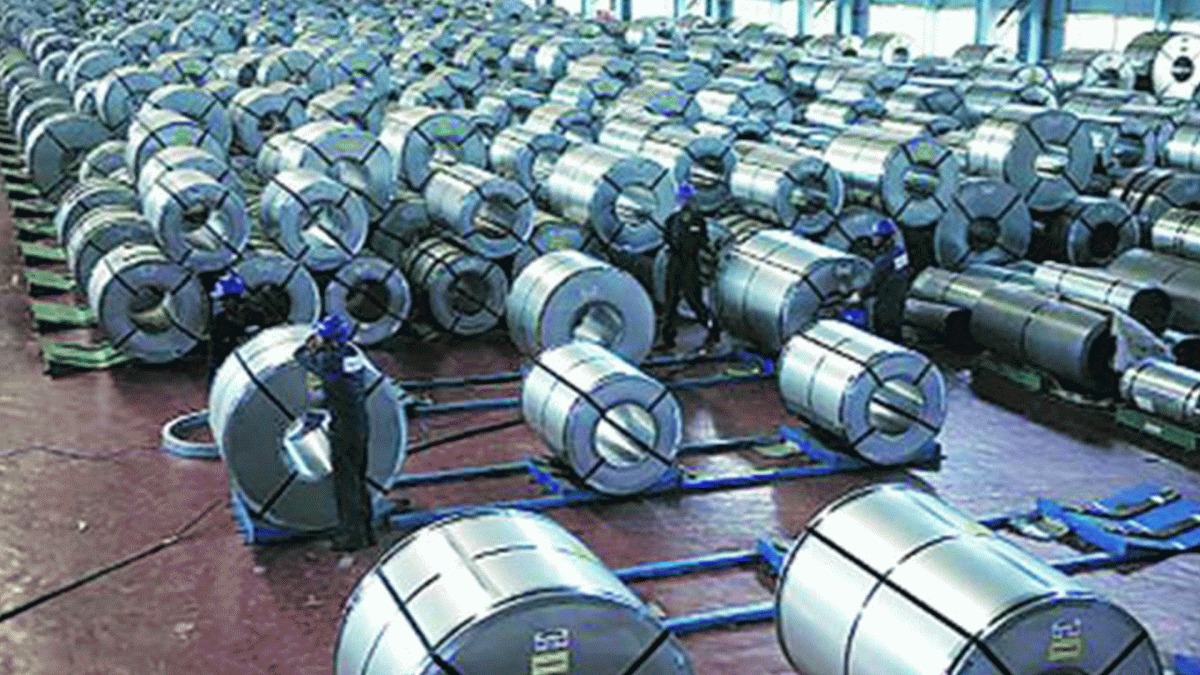
India's steel sector, the second-largest producer of crude steel in the world, is stepping through a complex arena marked by global protectionism and strong domestic consumption. The European Union's (EU) move to restrict import quotas of steel from April 2025 has given Indian exports the jitters, but strong domestic consumption is likely to be a buffer, industry sources opine.
EU's Protectionist Measures and Their Implications
The European Commission has recently imposed tighter import controls on steel to shield its ailing domestic industry from rising imports. The controls involve cutting tariff-free quotas for steel imports to 27 EU countries. Europe is still a major market for Indian steel exports, representing 46% of India's total shipments in the first 11 months of the financial year. In 2023-24, India exported 7.5 million metric tons of steel, with 2.03 million metric tons directed to the EU.
Though the EU's action might curtail India's export prospects, its effect is likely to be offset by increasing domestic demand. According to an Indian government source, "There will be some impact, but our domestic consumption is growing so fast that the industry should be able to absorb it". This observation reflects India's dependence on its domestic market, where steel consumption totaled 136 million metric tons during the same time.
Domestic Demand as a Cushion
India's spurring infrastructure activities and industrial development have driven vigorous domestic demand for steel. As the world's fastest-growing large economy, India's emphasis on manufacturing and urbanization guarantees level consumption. Such robust demand serves as a shield against external influences such as EU import restrictions.
Additionally, Indian steel exports remain modest in relative terms versus indigenous consumption. Insiders in the industry feel that this balance diminishes exposure to external trade barriers. The Ministry of Steel has yet to react officially to the EU's move, but sentiment is that the domestic resilience will hold.
Challenges from Chinese Steel Imports
While EU restrictions pose challenges, Chinese steel imports remain a significant concern for India. Chinese steel often enters global markets at competitive prices due to lower production costs and fewer regulatory taxes. This price advantage has led to increased imports into India from China, South Korea, and Japan during the financial year.
In order to counter this surge, India recently suggested a 12% temporary safeguard duty on some steel products for 200 days. But this step has generated arguments among big steel producers and downstream sectors such as Micro, Small, and Medium Enterprises (MSMEs). MSMEs contend that increased import duties might increase input prices substantially and put their competitiveness at risk.
Impact on MSMEs and Downstream Industries
Protectionist policies to restrict imports can be good for big steel producers but might harm MSMEs that use cheap imported steel for their businesses. MSMEs play a major role in India's exports of engineering goods but are struggling to source competitively priced domestic steel because of preferential treatment by producers for big export orders.
Vinod Kumar, India SME Forum President, emphasized this imbalance: "Big manufacturers find international buyers better than MSMEs because there are incentives given on exports. If you put a tax on imports, your input costs will go up by 10-20%. How will MSMEs live?" This anxiety identifies the requirement for balanced policies that safeguard domestic manufacturing without crippling smaller businesses.
Global Trade Dynamics: U.S. Tariffs and Southeast Asia
Indian steel exports are least affected by U.S. tariffs since exports to America are negligible. Nevertheless, rerouted volumes of hot-rolled coils from Southeast Asia owing to EU restrictions might boost competition in India's domestic market. Asian mills can further reduce prices to make up for lower access to European markets.
In addition, Vietnam's Formosa Ha Tinh Steel has been issued a new license by the Bureau of Indian Standards (BIS), thus adding to foreign players' footprints in the import market in India. The development indicates vulnerabilities in India's effectiveness in countering "predatory" imports.
Conclusion: Navigating Challenges with Resilience
India's steel industry is at a juncture in the context of protectionist policies globally and changing trade patterns. The EU's stiffening of import quotas will discourage export opportunities but may not derail India's growth path because of strong domestic demand.
Nonetheless, there remain issues in reconciling protectionist measures with downstream industries' needs, such as MSMEs. Policymaking authorities have to be careful not to disproportionately disadvantage smaller players or drive up costs for value-added industries like car manufacturing and construction.
As India keeps increasing steel capacity and dealing with complexity in international trade, how well it can adapt will decide whether or not it can maintain growth without compromising domestic interest. With the use of robust domestic demand and counteracting structural issues in trade policy, India can make itself a robust player in the international steel market.
Source: Market Screener, GMK Center, The Indian Express, Times Of India