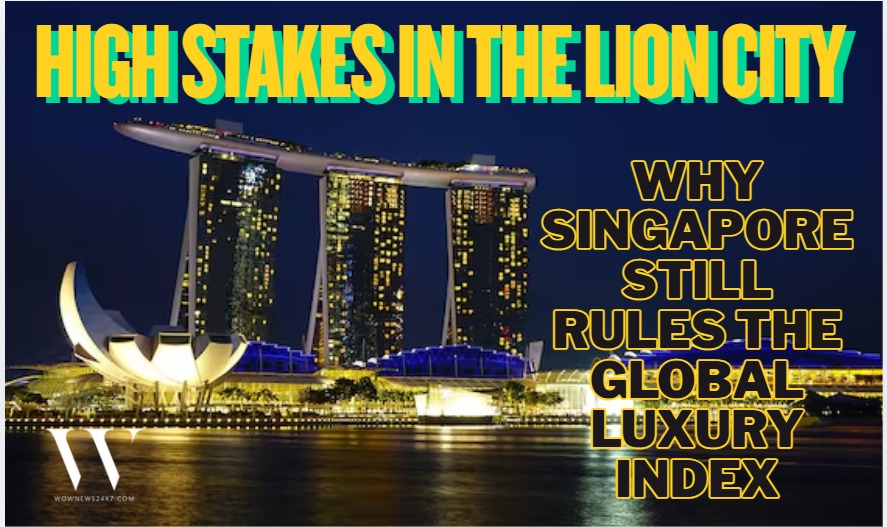
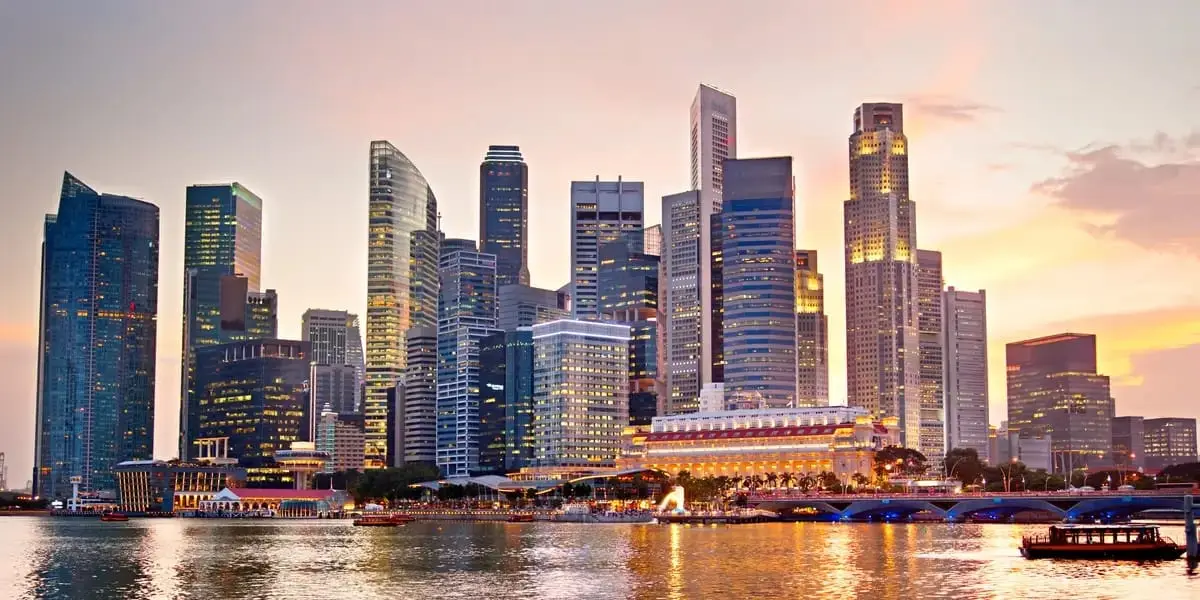
Singapore has been ranked the world’s most expensive city for luxury living for the fourth consecutive year in the 2026 Julius Baer Global Wealth and Lifestyle Report. The ranking is driven by high property and car costs, alongside the city-state's reputation as a secure hub for global wealth.
The Southeast Asian financial hub maintains its top ranking for the fourth consecutive year due to high costs for property and vehicles and the continued strength of the local currency.
SINGAPORE — For the fourth year in a row, Singapore has been named the most expensive city in the world for luxury living, according to the 2026 Global Wealth and Lifestyle Report released by Swiss wealth manager Julius Baer Group on July 7, 2026.
The report, which tracks the price of a basket of 20 premium goods and services across 25 global cities, highlights Singapore’s enduring appeal to high-net-worth individuals who prioritize long-term stability, security, and a robust financial ecosystem over lower costs of living. While global macroeconomic uncertainty and inflation continue to impact luxury spending, Singapore remains a preferred destination for affluent families and investors looking to allocate assets in a safe harbor.
Driving Factors Behind the Cost of Luxury
The "Lifestyle Index," used to determine the rankings, identifies two primary categories as the main drivers of Singapore’s top-tier status: residential real estate and private vehicle ownership. These two sectors carry the heaviest weightings in the bank’s annual assessment.
Data gathered between November 2025 and March 2026 indicates that Singapore continues to be the most expensive location globally to purchase a car, largely due to its stringent vehicle quota system. Furthermore, the city-state ranks third globally for residential property costs. These structural expenses, combined with the strength of the Singapore dollar, keep the city at the pinnacle of the index.
Strategic Asset Allocation
Despite the high costs, the report notes that the wealthy are increasingly looking beyond price tags, focusing instead on long-term value and geographic diversification.
"What we are seeing in Singapore today is a shift in how clients think about diversification," said Yee Kim Tan, Singapore branch manager at Julius Baer. "Increasingly, the question is not just which assets to hold, but where those assets should sit."
Tan emphasized that the city is valued for its rule of law, consistent policy environment, and a sense of physical and financial security that remains attractive to global families planning their future legacies.
Global Rankings and Regional Trends
Following Singapore, Zurich climbed to the second position, largely bolstered by the strengthening of the Swiss franc, while Monaco entered the top three for the first time since the index began in 2020. Hong Kong and London rounded out the top five.
The report also pointed to a broader trend within the Asia-Pacific region, which remains the most expensive area globally for pursuing a Master of Business Administration (MBA). Singapore, along with major hubs like Hong Kong, Shanghai, and Tokyo, was identified as a top-tier location for premium education, further cementing the region's concentration of luxury services.
Official Sources
Julius Baer Group – Global Wealth and Lifestyle Report 2026
Statements from Yee Kim Tan, Singapore Branch Manager, Julius Baer
Why It Matters
For businesses and high-net-worth investors, Singapore’s ranking is a testament to its status as a stable "safe haven." While the high cost of entry—specifically regarding housing and transport—may pose challenges for expatriate professionals, the city’s ability to remain the costliest in the world underscores the sustained demand for its institutional quality and economic resilience.
Key Facts at a Glance
Four-Year Streak: Singapore has held the top spot in the Julius Baer Lifestyle Index since 2023.
Primary Drivers: High residential property prices and the premium costs associated with private car ownership remain the primary index contributors.
Currency Impact: The strength of the Singapore dollar against the US dollar continues to play a significant role in the city's valuation on the global stage.
Regional Dominance: The Asia-Pacific region remains the most expensive globally for luxury MBA education.
FAQ
What items does the Julius Baer index measure?
The index tracks 20 items and services, including residential property, automobiles, luxury fashion, business-class air travel, healthcare, and private school fees.
Why does Singapore remain so expensive?
The costs are driven by land scarcity, high regulatory standards for infrastructure, and a consistent influx of international capital seeking a stable, secure environment.
How does the index handle currency fluctuations?
The index compares prices on a US dollar basis to normalize the data across the 25 global cities surveyed.