The future of Indian agriculture is getting a high-tech boost as national policymakers, state agencies, and innovators underscore the vital role of modern technology to enhance farm productivity, cut costs, and ensure environmental resilience. Today's announcements, events, and res...
The future of Indian agriculture is getting a high-tech boost as national policymakers, state agencies, and innovators underscore the vital role of modern technology to enhance farm productivity, cut costs, and ensure environmental resilience. Today's announcements, events, and research mark a decisive turn in how India is setting a new paradigm for its farmers.
Rallying for Change: Technological Transformation Takes Center Stage
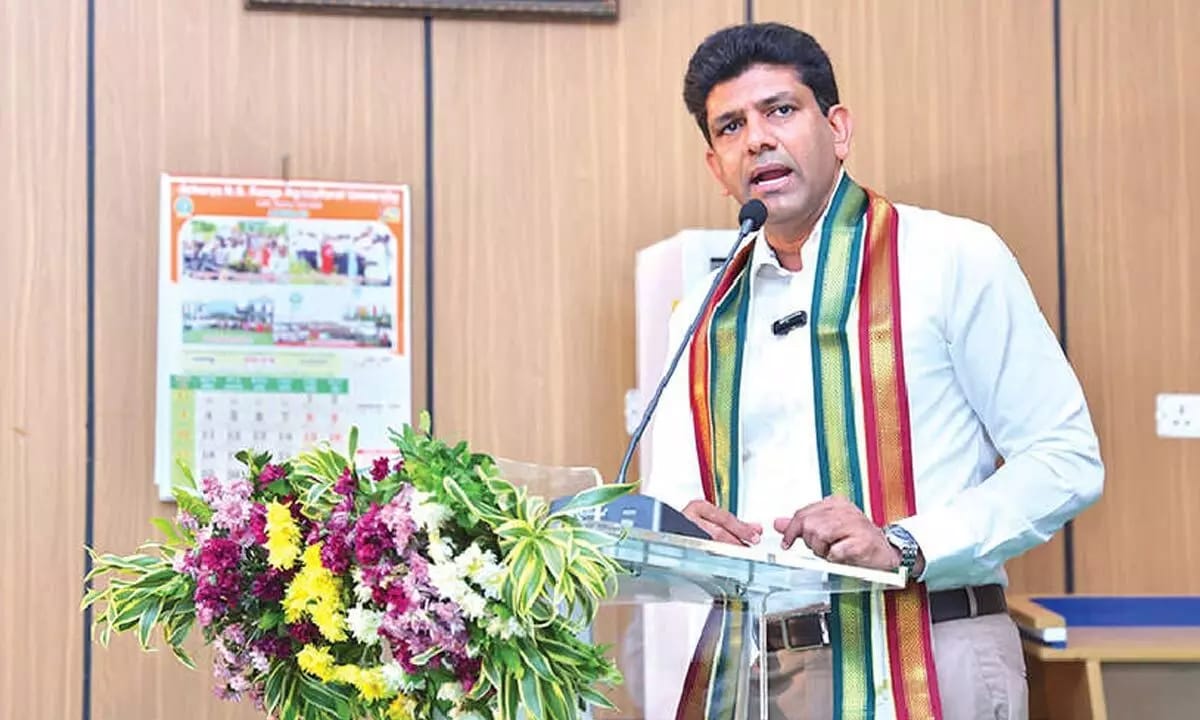
The lead story of the day emerged from Guntur, Andhra Pradesh, where the Union Minister of State for Rural Development and Communications, Dr Pemmasani Chandrasekhar, called on farmers to embrace technologies such as drones, bio-pesticides, precision irrigation, and digital advisory services. Addressing the 20th phase of the PM-KISAN Samman Nidhi programme, Chandrasekhar highlighted that reducing the cost of cultivating paddy, chilli, Bengal gram, and cotton—currently between Rs35,000 and Rs50,000 per acre—requires out-of-the-box solutions and government support. The minister urged greater collaboration with Krishi Vignan Kendras, and spotlighted the advancements made at Acharya Ranga Agricultural University, showcasing state-of-the-art facilities for agritech research and extension.
Regional Innovation: AI and Real-Time Climate Insights
Across Maharashtra and Telangana, impactful initiatives are redefining the digital landscape in agriculture:
In Maharashtra, the ICAR-led implementation of the AI-powered Intelligent Systems Advisory Tool (iSAT), unveiled at ICRISAT, promises customized, real-time climate advisory services for smallholder farmers. Integrated with weather models, machine learning, and user-friendly interfaces like WhatsApp bots, this tool is designed to deliver hyper-local recommendations for sowing, irrigation, and pest management. With the pilot phase targeting Maharashtra, the rollout is poised to set new standards for digital advisories nationwide.
The MahaAgri-AI Policy 2025–2029, approved by the state cabinet, commits an initial ₹500 crore to infuse artificial intelligence, drone-based monitoring, blockchain for supply chain traceability, and multilingual platforms into the agri-ecosystem. Measures include a robust digital infrastructure, an AI sandbox for startups, geospatial intelligence engines, and targeted training programs for hands-on technology adoption. Focus crops like grapes, bananas, and pomegranates will especially benefit from blockchain-based quality authentication, ensuring global export standards.
Key Highlights and Outcomes
Integration of AI, IoT, and cloud computing for data-driven farming decisions.
Financial and advisory support to reduce input costs and drive better yields.
Digital platforms and apps delivering real-time actionable insights—empowering farmers even in remote, climate-sensitive regions.
Use of drones and satellite imagery for precision input application and environmental monitoring.
Blockchain for food traceability, guaranteeing origin, safety, and compliance for export crops.
Celebrating Research Breakthroughs: From Waste to Wealth
Researchers at IIT Madras announced the successful development of sustainable packaging materials using agricultural waste and mycelium-based biocomposites. These eco-friendly alternatives to plastic foams present a dual advantage: tackling plastic pollution and opening new income streams for rural communities by valorizing agricultural by-products.
Boosting Startups and Youth Innovation
At Anand Agricultural University, Gujarat, the latest AgriFood seed camp saw 40 startups receive critical mentoring and financial support. Such incubators help bridge the gap between cutting-edge research and real-world farm applications, accelerating the deployment of new-age solutions directly to Indian fields.
Conferences Foster Knowledge Exchange
The International Conference on Agriculture (IC-AGRI-25), held today in Pune, brought together scientists, policymakers, and agri-entrepreneurs to discuss the challenges and opportunities presented by technology in tackling food security, sustainability, and climate change.
Conclusion: A United Digital Push for a Brighter Tomorrow
Today’s developments confirm India's unwavering commitment to leveraging smart technology across all levels of agriculture. From advanced research and AI-powered platforms to practical field demonstrations and financial innovation, the collaborative push is equipping Indian farmers for a sustainable, globally competitive, and prosperous future
Sources: The Hans India; The New Indian Express; Elets Online ; Hindustan Times; Times of India; SFE.net.in (IC-AGRI-25)