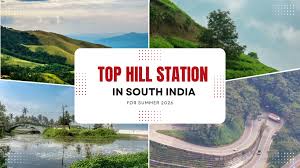
CHENNAI — Major multi-state infrastructure modernizations and comprehensive environmental safety audits have significantly transformed accessibility across the principal highland corridors of Southern India. Figures published during the 2026 South Asian Travel and Tourism Exchange (SATTE) indicate t...
CHENNAI — Major multi-state infrastructure modernizations and comprehensive environmental safety audits have significantly transformed accessibility across the principal highland corridors of Southern India. Figures published during the 2026 South Asian Travel and Tourism Exchange (SATTE) indicate that targeted state allocations for route expansions and micro-destination management have driven a substantial rise in domestic and international arrivals seeking alpine retreats.
State travel operations confirm that coordinated policy frameworks in Tamil Nadu, Kerala, and Karnataka are actively redirecting footfall toward regulated high-altitude zones. These efforts respond directly to a structural shift in consumer demand toward long-duration nature expeditions and wellness-focused itineraries.
State Policies Target Regulated Eco-Tourism Expansion
According to data compiled in the Ministry of Tourism Annual Report, specialized infrastructure upgrades under the national Swadesh Darshan 2.0 framework have prioritized the ecological integration of elevated zones. State forest and transport directorates have instituted physical carrying-capacity audits across vulnerable Western and Eastern Ghat corridors to prevent the negative impacts of mass, unregulated tourism.
Horticultural and administrative boards note that these policy updates preserve pristine natural assets while providing travelers with formalized networks for homestays, digital mapping, and structural safety upgrades on mountain motorways.
Reviewing the 7 Core Hill Stations Shaping Southern Inbound Travel
Regional tourism corporations and transport regulators have identified seven primary elevated sectors that continue to anchor the bulk of seasonal and weekend travel allocations in the southern peninsula.
1. Munnar, Kerala
Renowned for extensive corporate tea estates and complex mountain topographies, Munnar remains a cornerstone of the southwestern tourism grid. According to reports from the Kerala Forest Department, localized conservation initiatives have stabilized access to the Eravikulam National Park, allowing controlled viewing of the endangered Nilgiri Tahr. Administrative efforts in 2026 have heavily favored zero-plastic entry points and eco-certified lodging structures.
2. Ooty, Tamil Nadu
Formally called Udhagamandalam, the historic "Queen of Hill Stations" has benefited from systemic traffic diversion schemes and urban restoration projects. The Southern Railway continues to operate its iconic Nilgiri Mountain Railway toy train—a designated UNESCO World Heritage site—under revised safety guidelines. Regional boards indicate that investments are focused on restoring the structural footprint of the local botanical reserves and central lake zones.
3. Coorg, Karnataka
Known administratively as Kodagu, this coffee-producing district continues to expand its premium plantation-stay model. The Karnataka Tourism Department highlights Coorg as a principal node for sustainable agritourism, driven by travelers looking for low-density accommodation. Core sites including Abbey Falls and the historical scenic overlook at Raja's Seat have received updated pedestrian walkways and waste-processing units.
4. Kodaikanal, Tamil Nadu
Nestled on the Palani Hills plateau at an elevation of 7,200 feet, Kodaikanal is managing a transition toward high-value, low-impact travel. Municipal authorities have instituted strict vehicle emission controls around the central Kodaikanal Lake perimeter. Pedestrian paths like Coaker's Walk have undergone structural reinforcement to accommodate steady seasonal walking tours.
5. Wayanad, Kerala
Positioned on the high-altitude fringe of northern Kerala, Wayanad has emerged as a major hub for adventure and historic exploration. Following directives from environmental safety regulators, access to high-altitude water bodies and historical sites, including the prehistoric carvings within Edakkal Caves, operates under strict daily guest limits to preserve regional biodiversity.
6. Chikmagalur, Karnataka
Situated in the foothills of the Baba Budan Giri range, Chikmagalur serves as a premier destination for coffee heritage exploration and trekking. The regional administration has formalized local guide registries to ensure traveler safety along trails leading toward Mullayanagiri, the highest peak in Karnataka state.
7. Yercaud, Tamil Nadu
Located within the Shevaroy Hills range of the Eastern Ghats, Yercaud provides a less commercialized alternative to the Western Ghats grid. Perched at an altitude of approximately 4,970 feet, its local economy is driven by expansive coffee groves and spice cultivation. The local administration has promoted seasonal heritage festivals to distribute visitor arrivals evenly across the calendar year.
Official Sources Section
Statistical data, ecological directives, and infrastructure tracking are compiled from official public releases issued by the Ministry of Tourism, the Kerala Department of Tourism, the Tamil Nadu Tourism Development Corporation (TTDC), and the National Horticultural Board.
Quote Section
"According to officials from the regional tourism desks, the integration of strict safety audits with local community-led hospitality networks has established a resilient blueprint for mountain travel. The focus remains on safeguarding fragile alpine ecosystems while enhancing the baseline transit experience for arrivals."
Why It Matters
For domestic travelers and travel investors, these structural updates translate into shorter transit times, more predictable booking procedures, and improved ecological standards at destination points. For local populations, the focus on regulated carrying capacities safeguards regional biodiversity while generating consistent, long-term employment opportunities within the service sector.
Key Facts at a Glance
Regulatory Shift: Extensive safety and environmental audits applied to 7 prime southern hill stations.
Infrastructure Framework: Financial integration under the central Swadesh Darshan 2.0 policy scheme.
Conservation Metric: Strict daily visitor limits enforced at sensitive spots like Edakkad Caves and Eravikulam National Park.
Transit Landmark: Continued preservation and structural upkeep of the UNESCO-listed Nilgiri Mountain Railway.
FAQ Section
Q1: What is the optimal time frame to visit the mountain regions of South India?
A1: While mountain stations offer moderate climates year-round, peak periods range from October through May to avoid the intense downpours of the southwest monsoon.
Q2: Are there strict vehicle restrictions enforced in these high-altitude towns?
A2: Yes, municipal zones in destinations like Kodaikanal and Ooty have enforced seasonal commercial vehicle restrictions and dedicated parking perimeters to limit urban congestion.
Q3: Which hill station is recommended for coffee estate tours?
A3: Coorg and Chikmagalur in Karnataka are the primary traditional centers for formal coffee estate homestays and agricultural tourism.
Q4: Do travelers need specific permits to access trekking trails in these hill stations?
A4: Selected high-altitude routes in regions like Wayanad and Chikmagalur require mandatory booking with state-certified local guides or explicit clearance from the local Forest Department office.
Source: Ministry of Tourism, Government of India; Tamil Nadu Tourism Development Corporation; Kerala State Forest and Wildlife Department.