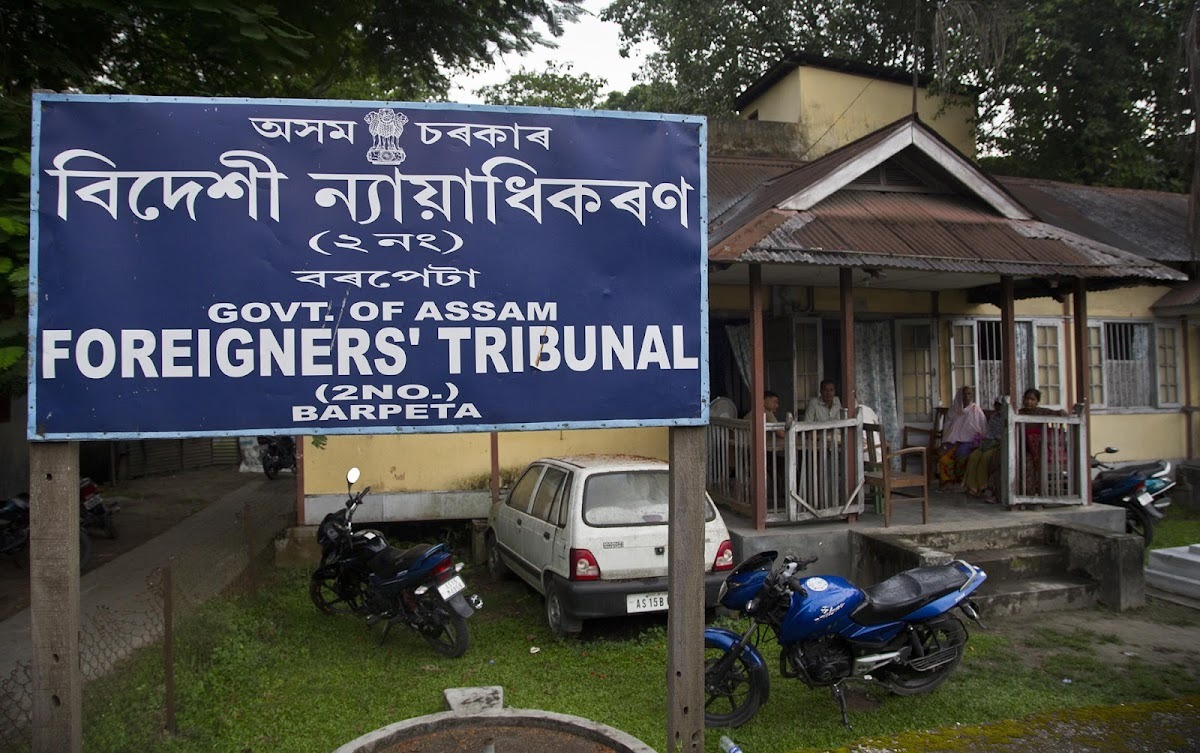
States across India are now empowered to constitute Foreigners Tribunals to adjudicate citizenship status, a power previously unique to Assam. These quasi-judicial bodies, established under the 1964 Foreigners Order, utilize civil court powers to resolve cases of suspected illegal immigration within strict, time-bound windows set by district authorities.
The expansion of adjudicatory powers allows district authorities across India to constitute local tribunals to determine citizenship status, moving away from the previous Assam-exclusive model.
NEW DELHI — In a significant shift in India’s administrative framework for citizenship verification, all state governments and Union Territories now possess the legal authority to constitute Foreigners Tribunals (FTs). While these quasi-judicial bodies were once unique to Assam, the transition marks a nationwide decentralization of the power to identify and adjudicate cases of suspected illegal immigration.
The authorization follows a 2019 amendment to the Foreigners (Tribunals) Order, 1964, which moved the power of establishing these tribunals from the Central government to district magistrates across all states. This legal structure operates under Section 3 of the Foreigners Act, 1946, empowering tribunals to function as quasi-judicial bodies to determine whether an individual is a "foreigner" within the meaning of the Act.
Expanding the Reach of Citizenship Adjudication
Historically, Foreigners Tribunals were largely synonymous with Assam’s efforts to address complex citizenship documentation challenges, particularly those associated with the National Register of Citizens (NRC). Under the previous mandate, individuals in other parts of India suspected of illegal residence were typically processed through local courts under the Passport Act, 1920, or the Foreigners Act, 1946.
The current framework, bolstered by subsequent updates including the 2025 Immigration and Foreigners regulations, grants these tribunals the powers of a civil court. According to official guidelines, these bodies have the authority to:
Summon and enforce the attendance of any person and examine them on oath.
Require the discovery and production of any document.
Issue commissions for the examination of any witness.
Direct a proceedee to appear in person.
Judicial Oversight and Operational Scope
Each tribunal is headed by a member with judicial experience—typically drawn from the ranks of lawyers, retired civil servants, or retired judicial officers. The proceedings are designed to be time-bound, with a requirement to dispose of cases within 60 to 120 days of receiving a reference from the competent authority.
The process begins when local authorities, such as the Superintendent of Police or a District Magistrate, refer a "suspected foreigner" to the tribunal. The tribunal must then serve a show-cause notice to the proceedee, who is granted a reasonable opportunity to present evidence or legal representation. If an individual fails to prove their citizenship status, they may be subject to detention in designated transit camps.
Why It Matters
For citizens, the nationwide availability of these tribunals changes the legal landscape for citizenship disputes. By shifting these cases from standard criminal courts to specialized quasi-judicial tribunals, states can theoretically manage identification processes with more focused expertise. However, the system places the burden of proof on the individual to establish their nationality, a process that requires maintaining rigorous documentation.
For investors and travelers, these changes reflect the government's broader effort to digitize and standardize immigration and residency oversight, as seen in the recent introduction of the 2026 digital appeals framework for foreign nationals.
Key Facts at a Glance
Nationwide Authority: Every state and Union Territory in India is now empowered to set up Foreigners Tribunals to identify and adjudicate citizenship disputes.
Judicial Powers: These tribunals function as quasi-judicial bodies with the authority of a civil court to summon witnesses and mandate the production of evidence.
Time-Bound Resolution: Tribunals are mandated to operate within strict timelines, aiming for case disposal within 60 to 120 days.
Legal Basis: The system is established under the Foreigners (Tribunals) Order, 1964, utilizing powers granted by the Foreigners Act, 1946.
Frequently Asked Questions (FAQ)
Are Foreigners Tribunals now operating in every state?
While the legal power to establish them has been devolved to all states and Union Territories, the actual constitution of these bodies is at the discretion of the respective state administrations.
What is the role of the District Magistrate in this process?
District Magistrates have been empowered to refer suspected cases to these tribunals and oversee the initiation of the adjudication process.
Can an order passed by a Foreigners Tribunal be challenged?
Yes, the Foreigners (Tribunals) Order provides for review applications, and adverse orders can typically be challenged in higher courts through writ jurisdiction.
Source: Ministry of Home Affairs (India), Foreigners (Tribunals) Order, 1964, Vajiram & Ravi