Garment steamers have become essential tools for Indian households, replacing traditional irons for many. By offering a gentle, efficient way to de-wrinkle delicate ethnic fabrics, sanitize upholstery, and save time, these versatile appliances cater perfectly to the needs of modern, urban Indians managing busy, fashion-conscious lifestyles at home.
As urban lifestyles accelerate, the versatile garment steamer is fast becoming a household staple, revolutionizing how Indians care for their clothing.
NEW DELHI — The traditional heavy-duty iron is increasingly sharing space—or being replaced—by a sleek, modern rival: the garment steamer. As of mid-2026, the Indian home appliance market is witnessing a profound shift in consumer behavior, with garment steamers emerging as the preferred choice for a time-strapped, fashion-conscious population.
Driven by rapid urbanization, smaller living spaces, and an increasing reliance on delicate fabrics like silk, chiffon, and linen, the demand for convenient garment care solutions has surged. No longer just for high-end boutiques or tailors, these devices are now standard fixtures in urban Indian households, offering a quick, gentle alternative to conventional ironing.
Precision Care for Diverse Fabrics
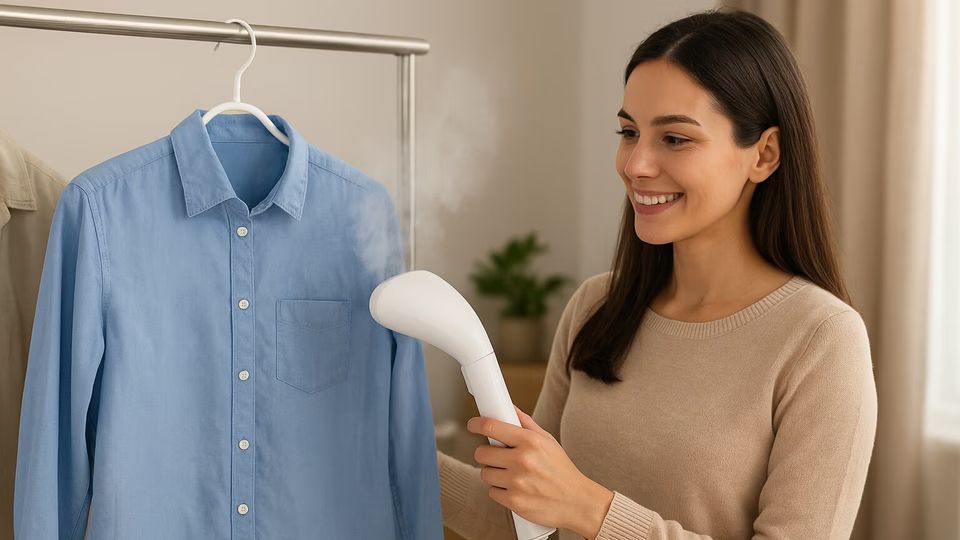
The popularity of the garment steamer in India is deeply tied to the country’s diverse wardrobe. Indian consumers frequently manage everything from heavy, embroidered wedding ensembles and silk sarees to modern corporate suits and casual kurtis. Unlike traditional flat irons, which rely on direct heat and pressure that can scorch delicate embroidery or flatten the natural texture of fabrics, steamers utilize high-temperature vapor to relax fibers naturally.
According to market analysts, this technology is particularly beneficial for the preservation of occasion wear. By gently steaming garments while they hang, users can remove storage creases and odors without the risk of damaging intricate beadwork, sequins, or zardosi patterns.
A Shift Toward "Newstalgia" and Convenience
The transition is fueled by a desire for efficiency. In a fast-paced environment where double-income households are the norm, the ability to refresh an outfit in under three minutes without the setup of an ironing board is a significant value proposition.
"Organizers stated that the rapid adoption of handheld steamers, in particular, is being driven by younger professionals and frequent travelers who prioritize portability and ease of use," noted industry reports. Leading manufacturers including Philips, Bajaj Electricals, and Xiaomi have expanded their portfolios in India, introducing compact, lightweight models that fit easily into the modern, space-constrained Indian apartment.
More Than Just Wrinkle Removal
Beyond the wardrobe, the versatility of the garment steamer has extended its utility into the home. Consumers are increasingly using these devices for multi-functional tasks, such as sanitizing curtains, refreshing upholstered sofas, and even removing dust mites from mattresses. In a post-pandemic landscape, the sanitizing property of high-temperature steam—which neutralizes bacteria and allergens—has become a key selling point for families seeking chemical-free cleaning solutions for baby clothes and soft toys.
Why It Matters
For the average Indian household, this shift represents a move toward smarter, more sustainable fabric care. By reducing the frequency of harsh machine washing and avoiding the fabric-weakening pressure of traditional ironing, garment steamers help extend the lifespan of quality garments. This not only protects personal fashion investments but also supports a more sustainable approach to home maintenance in a market that increasingly values longevity and quality.
Key Facts at a Glance
Market Growth: The Indian garment steamer market is part of a segment projected to maintain a steady upward trajectory through 2035, driven by the convenience-seeking urban demographic.
Fabric Safety: Steamers are increasingly favored for delicate Indian textiles, including silk, organza, and heavy ethnic embroidery.
Multi-Purpose: Beyond clothing, these devices are widely used for sanitizing curtains, furniture, and children’s toys.
Portability: Handheld, travel-friendly models are the fastest-growing sub-segment, catering to a mobile, professional workforce.
FAQ
Why is a garment steamer better for Indian ethnic wear?
Steamers are gentle on heavy embroidery, sequins, and delicate fabrics like silk or chiffon, which are often ruined by the direct, high heat of a traditional iron.
Can I use a garment steamer for my curtains?
Yes, steamers are ideal for curtains and upholstery, allowing you to refresh and sanitize them while they are still hanging, without the need for removal or heavy-duty laundering.
Are these devices safe for all clothing?
Most fabrics are suitable for steaming, though leather, suede, and wax-polished furniture should be avoided. Always check the garment care label before use.
Source: Markets and Data - Garment Steamer Market Analysis, Fortune Business Insights - Global Garment Steamer Report, Global Market Insights - Garment Steamer Market Size