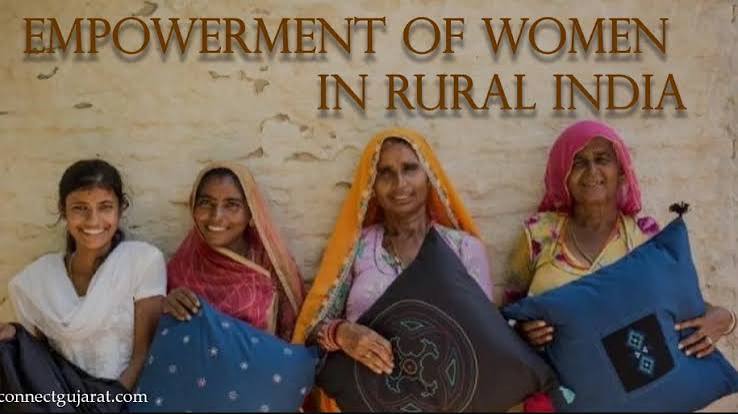
Early 2026 trends reveal that women are becoming a driving force in India's rural workforce. Bolstered by self-help group mobilization and initiatives like the Lakhpati Didi program, women are moving from informal labor into structured entrepreneurship, significantly contributing to the nation’s economic resilience and long-term financial inclusivity goals.
NEW DELHI — The narrative of India’s workforce is undergoing a profound transformation as women increasingly move beyond traditional domestic roles to become active participants in the rural economy. Early trends from 2026, reinforced by government initiatives and Periodic Labour Force Survey (PLFS) data, highlight a structural shift where women are transitioning from occasional contributors to resilient economic participants, even as seasonal agricultural demands continue to influence short-term employment statistics.
Structural Shifts in Rural Employment
Recent PLFS data for June 2026 reports a Labour Force Participation Rate (LFPR) of 56.6% in rural areas, reflecting the ongoing importance of rural engagement in the national labour market. Despite month-to-month variations—often linked to monsoon patterns and agricultural cycles—women remain a primary force in both self-employment and wage-work sectors.
Official figures indicate that the rural female LFPR remains a critical component of the national workforce. Government initiatives have been instrumental in this trend, with the Deendayal Antyodaya Yojana–National Rural Livelihoods Mission (DAY-NRLM) successfully mobilizing over 10 crore women into self-help groups (SHGs). These groups have evolved from basic financial inclusion platforms into networks of micro-enterprises, enabling women to produce, manage, and scale their own livelihoods.
Government Initiatives and Economic Security
The government’s "Lakhpati Didi" program continues to serve as a cornerstone for this transformation. By providing skills, market linkages, and expanded access to credit, the initiative aims to empower women within SHGs to scale their annual incomes sustainably.
"The story of India's workforce is being defined by women who are not only entering the labour force in greater numbers but also redefining what participation looks like," noted a recent Press Information Bureau (PIB) release. This policy-driven push towards formalization ensures that women workers across agriculture and informal sectors are increasingly integrated into structured frameworks that prioritize safe, dignified, and remunerative working conditions.
Navigating Seasonal Challenges
While the long-term trend is positive, rural employment remains sensitive to environmental and agricultural factors. Data from June 2026 shows how climatic events, such as a delayed Southwest Monsoon, can impact female agricultural labour demand. Analysts note that these fluctuations are often tied to sowing cycles, demonstrating that while the commitment to work is high, rural employment density remains influenced by external agricultural variables.
Why It Matters
For India, the rise in rural female workforce participation is not just a statistical gain; it is a catalyst for broader economic development. By bringing more women into the paid economy and fostering women-led entrepreneurship, the nation is building more resilient livelihoods. As these initiatives take hold, the shift from participation to entrepreneurship is helping to reduce gender inequality and contribute to sustainable economic growth.
Key Facts at a Glance
Rural Participation: Rural areas continue to lead in Labour Force Participation Rates (LFPR), with recent figures reaching 56.6% in June 2026.
SHG Mobilization: Over 10 crore women have been organized into self-help groups, fostering micro-enterprise growth.
Policy Focus: Programs like "Lakhpati Didi" are scaling incomes by providing women with credit, skills, and market access.
Economic Impact: The transition is moving women from informal, unpaid work to roles as primary household earners and entrepreneurs.
FAQ
How are government schemes supporting rural women?
Schemes like DAY-NRLM and Lakhpati Didi provide microfinance, skill development, and market access, transforming self-help groups into sustainable income-generating enterprises.
Why does rural female employment fluctuate?
Employment levels in rural areas are heavily dependent on agricultural cycles. Factors like monsoon delays can temporarily impact the demand for female agricultural labour.
What is the significance of the rising LFPR?
An increasing Labour Force Participation Rate indicates that more women are actively seeking or engaging in economic work, reflecting a shift toward greater financial independence.
Source: Press Information Bureau (PIB), Ministry of Statistics and Programme Implementation (MoSPI) PLFS Data, Down To Earth