In a high-level briefing to the Parliamentary Standing Committee on External Affairs, the Government of India emphasized that India-US relations are not confined to trade alone but span a wide spectrum of strategic, economic, and geopolitical interests. The meeting, chaired by Congress MP Shashi...
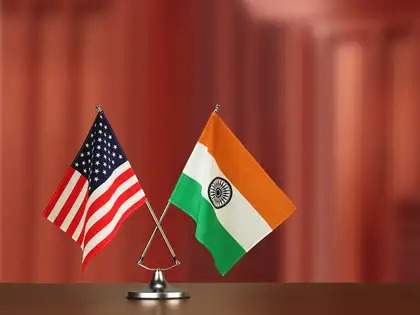
In a high-level briefing to the Parliamentary Standing Committee on External Affairs, the Government of India emphasized that India-US relations are not confined to trade alone but span a wide spectrum of strategic, economic, and geopolitical interests. The meeting, chaired by Congress MP Shashi Tharoor, comes amid heightened tensions over recent US-imposed tariffs and ongoing bilateral trade negotiations.
Senior officials from the Ministry of External Affairs and the Ministry of Commerce and Industry presented a comprehensive overview of the current state of India-US ties, reiterating India’s commitment to constructive engagement and long-term partnership with Washington.
Key highlights from the briefing:
1. India-US relations were described as multidimensional, encompassing security cooperation, trade, energy, technology, and people-to-people ties.
2. The government clarified that it does not view the bilateral relationship through the narrow lens of trade alone.
3. Despite recent tariff escalations by the US, India remains hopeful that trade negotiations will continue in a spirit of mutual respect and pragmatism.
4. A US delegation is expected to visit New Delhi on August 25 for the next round of trade talks.
Multidimensional nature of the partnership:
- Officials underscored that India and the US share converging interests in defense, counterterrorism, cyber security, and regional stability.
- The relationship has evolved over decades, with bipartisan support from both Indian and American administrations.
- India’s strategic autonomy and sovereign choices, including its energy imports, were defended as legitimate and non-negotiable.
Trade tensions and diplomatic response:
- The US recently imposed a 50 percent tariff on Indian goods, citing national security concerns linked to India’s oil imports from Russia.
- India termed the move unilateral and unjustified, asserting that it will take all necessary steps to safeguard its national interests.
- The Ministry of External Affairs emphasized that the tariffs must be viewed in the broader global context, as similar measures have been applied to other nations as well.
India’s stance on ongoing trade negotiations:
- Commerce Secretary Sunil Barthwal and Foreign Secretary Vikram Misri assured the panel that trade talks remain active and are expected to continue.
- India is negotiating a fair and balanced bilateral trade agreement that addresses tariff barriers, market access, and supply chain integration.
- The government is optimistic about resolving differences through dialogue and maintaining momentum in bilateral commerce.
Strategic messaging and bipartisan consensus:
- The MEA highlighted that India-US ties have prospered under both BJP and Congress-led governments, reflecting a bipartisan consensus on foreign policy.
- The relationship is built on shared democratic values, open societies, and robust economic and strategic cooperation.
- Officials also pointed to US support on key Indian concerns, including cross-border terrorism and extradition of fugitives.
Looking ahead:
- India is preparing for the next round of trade talks with a focus on protecting domestic industries while expanding global market access.
- The government is also working to diversify its trade basket and reduce dependency on any single partner.
- Broader foreign policy priorities, including engagement with Europe, China, and the Indo-Pacific, were also discussed during the briefing.
Conclusion:
India’s message to the parliamentary panel was clear: the US remains a vital partner, but the relationship is far more complex than trade statistics and tariff disputes. As global dynamics shift, India is positioning itself as a confident, sovereign actor committed to strategic dialogue, economic resilience, and principled diplomacy.
Sources: The Hindu, NDTV Profit, India TV News, Times of India, MSN News, India Today