India’s startup ecosystem is witnessing a quiet but powerful shift as Tier-2 cities increasingly emerge as significant contributors to the nation’s entrepreneurial growth. Graduating from their former roles as peripheral markets, these cities are rapidly turning into innovation hubs,...
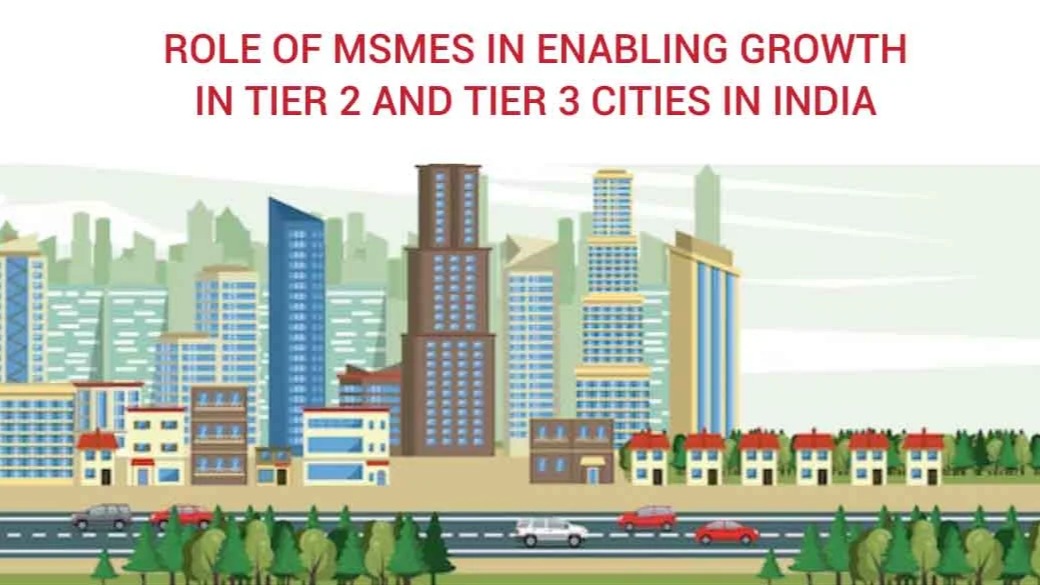
India’s startup ecosystem is witnessing a quiet but powerful shift as Tier-2 cities increasingly emerge as significant contributors to the nation’s entrepreneurial growth. Graduating from their former roles as peripheral markets, these cities are rapidly turning into innovation hubs, driven by supportive policies, untapped markets, and expanding digital infrastructure. This evolution is reshaping India’s startup landscape beyond the traditional metropolitan players.
Shift In Startup Geography And Growth Dynamics
-
Tier-2 cities have more than doubled new company incorporations over recent years, with cities like Jaipur, Lucknow, Ghaziabad, and Surat leading the charge.
-
From a low of around 3,323 incorporations in late 2023, activity soared to 7,719 incorporations by late 2025, reflecting growing business confidence and ecosystem maturity.
-
These cities now contribute nearly half of all startups in India, indicating a structural change in where innovation is blooming.
Drivers Behind Tier-2 Startup Surge
-
Government Incentives: Over 30 states have launched focused startup policies, offering seed funding, tax benefits, incubation facilities, and patents reimbursements to facilitate early-stage growth outside metros.
-
Reduced Costs And Increased Efficiency: Operating expenses including rent and wages are significantly lower, enabling startups to optimize budgets toward innovation and scaling.
-
Growing Talent Pool: These cities produce a large share of India’s engineering and science graduates, hungry to work in growing tech and entrepreneurial ecosystems.
-
Untapped Regional Markets: Access to emerging consumption sectors in semi-urban and rural India provides startups with vast market potential.
Notable Tier-2 Startup Hotspots
-
Jaipur is celebrated for its startup-friendly policies and growing ecosystem in BFSI, tech, and creative sectors.
-
Lucknow and Ghaziabad have burgeoning incubation centers and increasing venture activity, nurturing diverse startups.
-
Coimbatore and Kochi are carving niches in Industrial IoT, clean tech, and marine innovation respectively, leveraging regional strengths.
Challenges And Future Outlook
-
Sustaining startup momentum will require continued investment in infrastructure, quality mentorship, funding access, and connectivity improvements.
-
Inclusive growth models will be essential to balance urban-rural divides and promote broader economic development.
-
With these conditions met, Tier-2 cities could generate half of India’s startup output and millions of jobs by 2035.
-
This quiet revolution in India’s smaller cities signals a decentralized future for entrepreneurship, where innovation flourishes beyond traditional urban hubs, contributing to the country’s economic resilience and inclusive growth.
Source: Private Circle, LinkedIn Insights, TradeBrains, NASSCOM, Wadhwani Foundation