Caviar, often synonymous with luxury dining and extravagance, is a delicacy cherished worldwide. But what exactly is caviar, and how is its industry evolving today? This article dives deep into the true nature of caviar, tracing its origins, understanding its production, and exploring the dynamic...
Caviar, often synonymous with luxury dining and extravagance, is a delicacy cherished worldwide. But what exactly is caviar, and how is its industry evolving today? This article dives deep into the true nature of caviar, tracing its origins, understanding its production, and exploring the dynamic market trends shaping the caviar industry in 2025.
Key Highlights:
-
Definition and origin of caviar
-
Extraction and preparation process
-
Taste, texture, and nutritional profile
-
Current market size and growth outlook
-
Advances in sustainable and ethical caviar farming
-
Regional demand and market expansion
Understanding Caviar: Definition and History
-
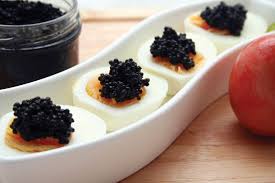
Caviar is the salted, unfertilized fish eggs—also known as roe—from sturgeon species belonging to the Acipenseridae family. The delicacy traditionally comes from wild sturgeon in the Caspian and Black Seas, with varieties such as beluga, ossetra, and sevruga considered classics. The term "caviar" specifically applies only to sturgeon roe, though it is often loosely used for roe from other fish types. The roe is harvested before fertilization and then cured with salt for preservation and flavor enhancement.
-
Historically, humans have consumed fish eggs since ancient times. The Greek philosopher Aristotle wrote about sturgeon eggs being served at banquets, indicating the long-standing appreciation for caviar. Over centuries, this delicacy grew in prestige across Europe and Eurasia, becoming linked to wealth and sophisticated dining.
Extraction and Preparation
-
The journey from fish to caviar is a meticulous process. Female sturgeons are sedated, and the ovaries are carefully removed or the eggs extracted via non-lethal methods like "stripping," which allows the fish to continue producing roe. After harvesting, the eggs are sieved to remove membranes, rinsed to eliminate impurities, and then salted in precise quantities. This curing step is essential as it both preserves the finish product and imparts the signature briny flavor.
-
The caviar is then graded on quality and packed into specially lined tins for sale. The highly controlled preparation process has remained largely unchanged for over a century, preserving the purity and luxury status of this food.
Taste and Texture Experience
-
Caviar is prized not only for its premium status but also for its distinctive sensory profile. The eggs provide a subtle "pop" as they burst in the mouth, releasing buttery, velvety textures that coat the palate. Flavor-wise, caviar is salty and briny with complex umami and sea-forward notes that vary by species and origin. These rich, nuanced flavors are difficult to replicate, making caviar unique among luxury foods.
-
Nutritionally, a typical serving is rich in protein and beneficial fats, delivering a concentrated source of vitamin B12 and minerals like selenium and iron.
Caviar Market Dynamics in 2025
-
The global caviar market is expanding significantly amid rising demand for luxury foods and sustainability-conscious consumers. As of 2025, the market is valued at approximately USD 484.54 million with projections to nearly double to USD 968.60 million by 2034, growing at a compound annual growth rate (CAGR) of about 8%. North America remains the largest market, supported by luxury dining and gourmet retail sectors. Emerging growth regions include Asia-Pacific and the Middle East, where affluent classes increasingly seek premium caviar offerings.
-
The market includes wild-caught and farmed caviar, with regulated wild catch becoming restricted due to overfishing concerns and international conservation agreements like CITES. This shift towards farmed caviar promotes sustainability and ethical sourcing, which are becoming key buyer priorities.
Sustainable and Ethical Farming Innovations
-
Sustainability is transforming the caviar industry in 2025. Modern farming techniques such as Recirculating Aquaculture Systems (RAS) minimize water use and waste, while Integrated Multi-Trophic Aquaculture (IMTA) enhances ecosystem stability by combining species. Non-lethal roe extraction methods now allow continued fish breeding, greatly reducing environmental impact.
-
Technological advances in genetic monitoring and disease management optimize farm efficiency and sturgeon conservation. Ethical luxury consumers are willing to pay premiums for traceable, eco-friendly caviar products, expanding market opportunities and driving further investment in sustainable innovation.
Regional Trends and Consumer Preferences
-
China and the UAE are notable growth hotspots, driven by expanding upper-middle classes with sophisticated tastes and environmental awareness. Established markets in Europe and North America are also shifting to certified sustainable caviar products, increasing consumer trust. The advent of online gourmet platforms further democratizes access to this exclusive food.
-
In summary, caviar remains a symbol of luxury with a rich heritage, unique sensory appeal, and an expanding market buoyed by sustainability trends. Its future lies in balancing tradition with innovation, satisfying discerning palates while protecting endangered sturgeon populations and the environment.
Source: Wikipedia, Allrecipes, caviarstar.com, towardsfnb.com,
opuscaviar.com