Tata Sons has initiated its formal succession process after N Chandrasekaran announced he will not seek re-appointment when his term ends in February 2027. The high-stakes transition tests India Inc's governance frameworks as a specialized committee searches for a leader to steer the conglomerate's massive multi-sector empire.
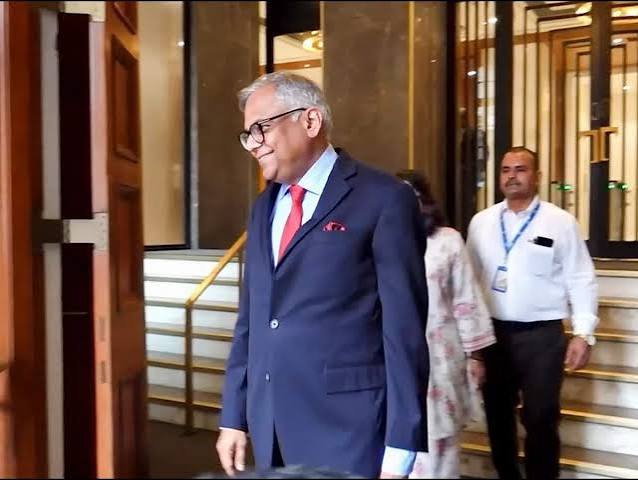
MUMBAI — India Inc’s gold standard for corporate governance faces a defining stress test as Tata Sons initiates a complex leadership transition. N Chandrasekaran conveyed to the nominee directors of the Tata Trusts that he will not seek another term when his current tenure expires on February 20, 2027, bringing long-term strategic succession planning at the salt-to-software conglomerate into sharp focus.
The unexpected twist follows months of behind-the-scenes deliberations regarding leadership continuity. With Chandrasekaran opting to step aside rather than pursue a third term, the group must now navigate both internal talent evaluation and rigorous regulatory frameworks to select the next chief executive for an enterprise managing everything from traditional steel and autos to advanced electronics and aviation.
Navigating the Selection Committee and Articles of Association
Under Article 118 of Tata Sons' Articles of Association, the formal succession procedure requires setting up a dedicated Selection Committee because the Tata Trusts collectively retain more than a 40% voting interest. This five-member panel comprises three nominees jointly chosen by the trusts, one representative from the Tata Sons board, and an independent external member.
According to corporate filings and board disclosures:
Timeline to Transition: With approximately seven months remaining before Chandrasekaran's term concludes in February 2027, the group has a pre-determined runway to ensure an orderly handoff.
Governance Hurdles: Recent regulatory restrictions impacting constituent entities like the Sir Ratan Tata Trust (SRTT) have added legal complexities to the selection mechanism, prompting discussions regarding urgent judicial clarifications.
Internal vs. External Benchmarking: The panel will weigh seasoned long-serving operational stalwarts against external candidates, balancing immediate operational continuity with visionary high-tech expansion.
Official Sources Section
Quote Section
According to statements released by corporate governance analysts and legal experts reviewing the transition framework:
"Successful corporate leaders often make succession planning more challenging for boards, requiring rigorous institutional resilience, transparent committee execution, and absolute adherence to governance protocols during unexpected leadership turns."
Why It Matters
For institutional investors, market analysts, and India's broader corporate ecosystem, the Tata Group serves as the ultimate benchmark for professionalized succession management. Because Chandrasekaran oversaw massive capital investments into futuristic sectors like semiconductors, electric vehicles, and green energy, the choice of his successor will directly dictate the strategic appetite and market valuation of India's most influential commercial empire.
Key Facts at a Glance
Departing Executive: N Chandrasekaran, serving as Tata Sons chairman since 2017.
Expiration Date: Current tenure concludes on February 20, 2027.
Governing Mechanism: Article 118 Selection Committee mandated by Tata Sons' Articles of Association.
Strategic Focus: Finding a leader capable of managing both legacy industrial giants and high-growth digital ventures.
FAQ Section
Why is N Chandrasekaran stepping down from Tata Sons?
Chandrasekaran informed the board that he will not offer himself for re-appointment when his current five-year term expires in February 2027, opening a structured phase for leadership renewal.
How is the next Tata Sons chairman chosen?
The process is regulated by Article 118 of the company's Articles of Association, which mandates a five-member Selection Committee to recommend a candidate for board appointment.
What role do the Tata Trusts play in the succession?
The Tata Trusts—holding a controlling stake above 40%—jointly nominate key members to the Selection Committee that evaluates and recommends the prospective chairman.
What sectors will the incoming chairman inherit?
The next chief will manage a diversified portfolio spanning traditional heavy industries like steel and automotive alongside modern high-growth bets in aviation, semiconductors, and digital retail.
Source: Tata Sons, Tata Trusts, The Economic Times