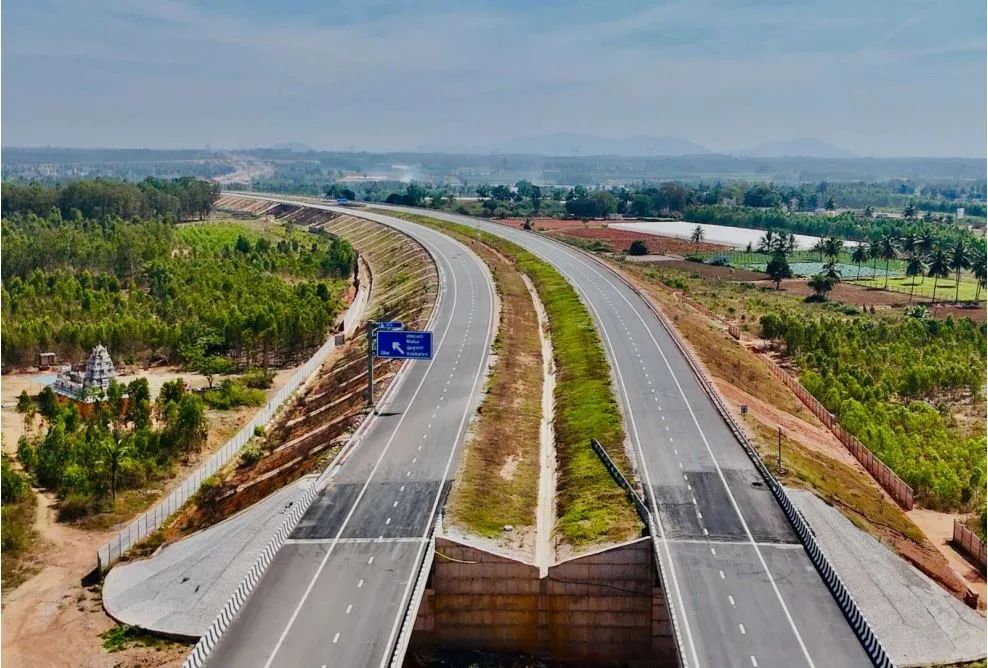
Union Finance Minister Nirmala Sitharaman announced that the 258-km Bengaluru-Chennai Expressway (NE-7) will significantly boost connectivity to key industrial and logistics hubs. By cutting travel times to three hours, the world-class access-controlled corridor accelerates manufacturing investments and economic integration across Karnataka, Andhra Pradesh, and Tamil Nadu.
BENGALURU — Southern India's primary production corridors are undergoing a massive logistical transformation. Union Finance Minister Nirmala Sitharaman has announced that the strategic Bengaluru-Chennai Expressway project will substantially elevate connectivity across prominent industrial and logistics hubs, unlocking rapid growth vectors for regional manufacturing, technology, and freight operations.
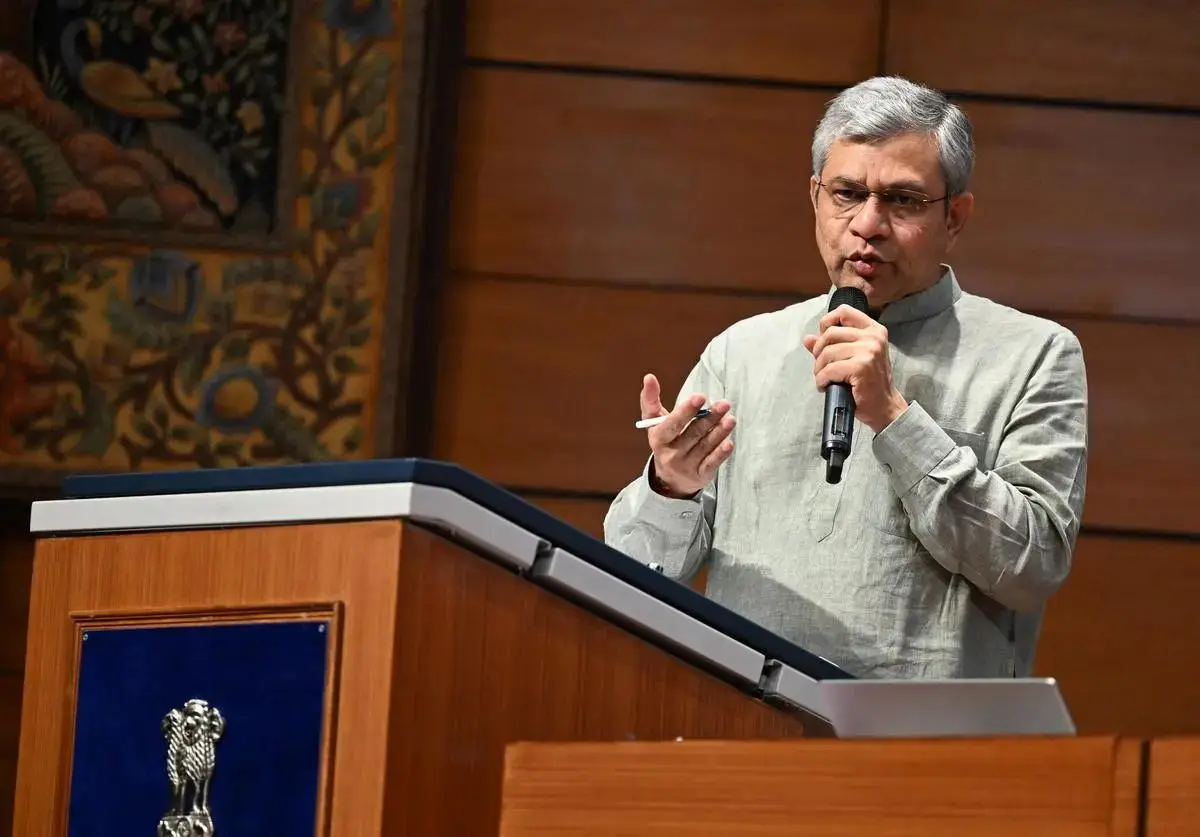
Making the policy declarations on Sunday, June 14, 2026, during an extensive on-site structural progress inspection in Bengaluru Rural, Sitharaman confirmed that the multi-state national expressway infrastructure has moved firmly into its final operational readiness phases. The infrastructure layout, legally designated as National Expressway 7 (NE-7), acts as a high-speed access-controlled bridge crossing state lines to link Karnataka, Andhra Pradesh, and Tamil Nadu. The project is highly critical today as modern corporate manufacturing complexes face severe bottlenecks moving freight on oversaturated public highways, making this specialized logistics artery vital for sustaining international supply chains.
Mapping the Logistics Footprint of the NE-7 Corridor
The greenfield logistics route bypasses highly congested urban centers, establishing a standardized four-lane heavy transport corridor engineered to scale smoothly up to eight lanes by 2041.
According to program briefs archived by the National Highways Authority of India (NHAI), the corridor establishes a highly direct transit path from Hoskote in the Bengaluru Metropolitan Region to Sriperumbudur within the Chennai Metropolitan Area. By enabling heavy logistics trucks to travel at continuous speeds up to 120 km/h, the highway strips hours out of transport schedules, radically altering baseline operating realities for freight forwarders and manufacturing enterprises.
Unleashing Deep Capital Outlays Across Southern SEZs
The direct deployment of the expressway has triggered an immediate real estate and industrial expansion wave across decentralized manufacturing rings.
Catalyzing Multi-Billion Rupee Automotive and Defense Investments
Industrial field logs demonstrate that the route has become a magnet for international capital, with multinational corporations anchoring complex manufacturing centers directly adjacent to expressway entry points.
According to industrial monitoring data published by the Ministry of Road Transport and Highways (MoRTH), key clusters experiencing an immediate development surge include:
The Aerospace & Defense Hubs: Upgrading high-tech access parameters for the specialized Narsapura Industrial Area and the Aerospace and Defense Park.
The Ranipet SIPCOT Expansion: Providing direct transit infrastructure for major corporate ventures, including a ₹9,000 crore vehicle manufacturing plant set up to produce advanced conventional and luxury electric vehicles.
Decentralized Logistics Nodes: Driving commercial real estate booms across intermediate hubs, specifically Malur, Bangarpet, Kolar, and Chittoor.
Automated Traffic Controls: Implementing advanced traffic management installations, including real-time speed radars, automated incident detection, and variable digital signage.
Reinforcing the National Strategy for Developed Infrastructure
The project represents a crucial operational milestone within the central government's long-term master blueprint to foster world-class domestic logistics channels.
"According to policy briefings released by the Ministry of Finance, the rollout of massive projects like the Bengaluru-Chennai Expressway highlights the government's firm commitment to building world-class transport systems. These infrastructure assets naturally lower domestic logistics costs while maximizing regional economic integration."
During her ground evaluation near the Bengaluru Rural Deputy Commissioner’s Office, Sitharaman directed regional engineers to maintain strict quality standard metrics while pressing forward to clear the remaining interstate connection packages on time. The finance minister stated that these structural investments show economic growth can be successfully paired with tangible improvements in everyday transit efficiency for businesses and citizens alike.
Why It Matters
For multinational manufacturers, electronics producers, and automotive exporters, this expressway completely rewrites the financial math of southern logistics. Slashing travel times cleanly in half dramatically lowers fuel use and minimizes vehicle wear, enabling shipping fleets to run twice as many regional distribution rounds per day.
For regional real estate developers and local farming communities, the project turns long-isolated agricultural regions into high-value logistics and warehousing zones. By providing direct, high-speed access to major ocean ports near Chennai, the updated highway system allows local agricultural producers to transport perishable goods quickly to international markets, sparking massive job growth across rural districts.
Key Facts at a Glance
The Connectivity Shift: Finance Minister Nirmala Sitharaman confirmed that the Bengaluru-Chennai Expressway significantly upgrades connections between key manufacturing zones.
Drastic Time Reductions: The 258-kilometer greenfield corridor compresses cargo travel times between the two major state capitals from nearly six hours down to just three.
Industrial Magnets Developed: The route opens up direct access to elite industrial clusters, including Hoskote, Malur, Bangarpet, and the Narsapura Industrial Area.
Heavy Inbound Investments: Major automakers have already locked in massive factory investments along the route, including a ₹9,000 crore manufacturing footprint in Ranipet.
Frequently Asked Questions
Which Indian states does the new Bengaluru-Chennai Expressway pass through?
The access-controlled expressway passes through three distinct states: Karnataka (71 km), Andhra Pradesh (estimated 85 km), and Tamil Nadu (102 km).
What is the maximum legal speed limit allowed on the NE-7 corridor?
The highway infrastructure is strictly engineered to support a maximum legal speed ceiling of 120 km/h for passenger vehicles.
How will this new highway route link up with local ocean shipping ports?
The route finishes directly at Sriperumbudur near Chennai, plugging smoothly into regional ring roads that feed directly into the high-capacity Chennai and Ennore ports.
Official Sources Section: