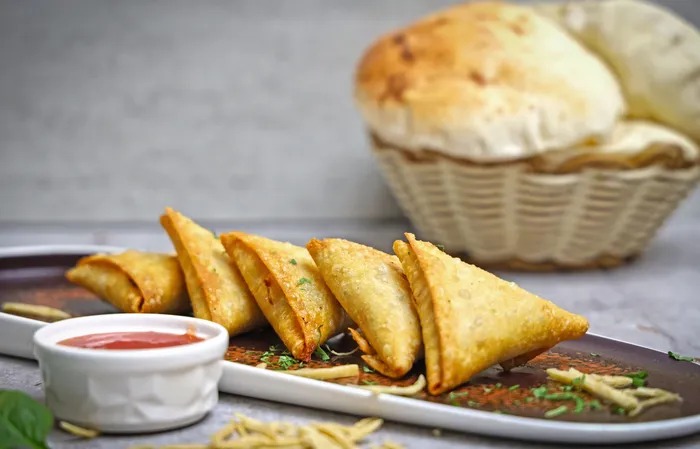
The journey of the samoosa from ancient Middle Eastern trade routes to the Indian diaspora in Durban showcases a rich story of migration and culinary adaptation. Today, its distinct spelling, thin crispy pastry, and bold local fillings make it an enduring symbol of South African heritage. IOL
Tracing its roots from medieval Middle Eastern and Central Asian culinary traditions to the vibrant cultural melting pot of Durban, the South African samoosa has evolved into a distinct national snack.
DURBAN — While the humble triangular pastry is celebrated globally, the South African "samoosa"—particularly its Durban variant—possesses a unique historical lineage. Originating centuries ago as ancient Middle Eastern and Central Asian precursors such as the sanbusaj and samsa, the recipe migrated to the Indian subcontinent before being brought to South Africa by indentured laborers and traders starting in 1860. According to cultural historians and anthropological research from the University of Pretoria, the snack underwent a profound culinary transformation within the KwaZulu-Natal diaspora, developing distinct local characteristics that set it apart from its global counterparts.
Regional Adaptations and Culinary Evolution
The South African Indian diaspora did not replicate a single regional cuisine; instead, they adapted traditional recipes to local ingredients and communal influences. The resulting Durban samoosa features a thinner, crispier pastry wrapper and a distinctly assertive spice profile.
Diverse Fillings: While spiced potatoes remain popular, local kitchens routinely incorporate minced meat, chicken, and tinned fish.
Aromatic Enhancements: Fresh coriander, finely chopped onions, and sharp green chillies are heavily integrated to elevate the flavor.
The Cape Variant: In comparison, Cape Malay culinary traditions developed parallel variations featuring aromatic, sweet-spiced minced fillings influenced by a distinct history of trade and migration.
Cultural Integration Across Everyday Life
Over generations, the samoosa transitioned from specialized celebration food served at weddings and religious functions into an everyday staple of South African life. The snack is now ubiquitous across office meetings, school events, bakeries, and transit hubs. Sociological and dietary analyses indicate that this widespread availability underscores the pastry's role as a unifying cultural touchstone that bridges diverse communities across the country.
Official Sources Section
Historical analysis and diaspora food evolution data are referenced from research publications by University of Pretoria anthropologist Dr. Dhee Naidoo.
Cultural heritage documentation and culinary archives are maintained by regional lifestyle frameworks and historical summaries published via Independent Online (IOL).
Quote Section
"According to officials and cultural researchers, the transformation of the Durban samoosa into a thinner, crispier, and assertively seasoned snack is a vital part of its authentic South African heritage."
Why It Matters
For culinary historians, food enthusiasts, and local communities, the journey of the samoosa illustrates how immigrant foodways successfully adapt to new environments. The snack's enduring popularity highlights the rich cross-cultural exchanges that continue to shape modern South African identity and small-scale culinary commerce.
Key Facts at a Glance
The samoosa traces its ancient origins through Persia, Central Asia, and the Middle East before arriving in India.
Indian indentured workers and traders introduced the pastry to the Colony of Natal starting in 1860.
The distinctive South African spelling ("samoosa") reflects its unique local identity compared to regional global variants.
Fillings in Durban kitchens have expanded to include spiced mince, chicken, fish, and potatoes.
FAQ Section
Did the samosa originate in India?
Historical records indicate that early precursors like the sanbusaj originated in the Middle East and Central Asia before being introduced to the Indian subcontinent.
How does a Durban samoosa differ from traditional Indian versions?
Durban samoosas typically feature a thinner, crisper pastry shell and are tightly packed with assertively seasoned fillings such as spiced mince or potatoes.
What is the difference between Durban and Cape Malay samoosas?
While Durban versions lean toward hot and spicy fillings, Cape Malay variations often incorporate fragrant, sweet spices combined with minced meat and onions.
Where can further historical studies on South African food culture be accessed?
Academic research updates and cultural analyses are regularly featured through the institutional portal of the University of Pretoria.
Source: University of Pretoria, Independent Online (IOL), The Witness