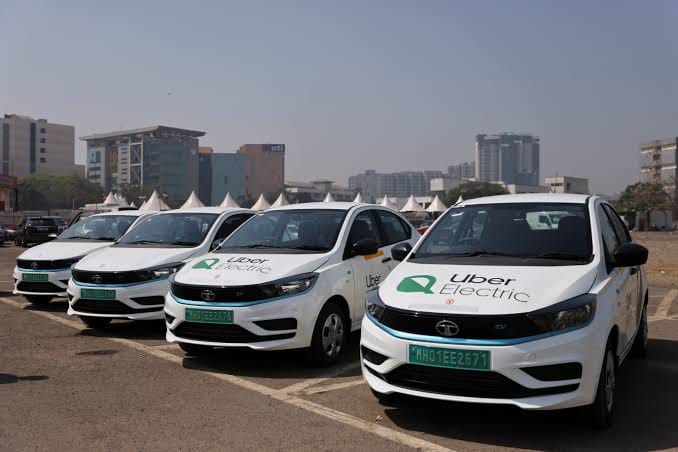
Uber officially announced a massive expansion across India, extending its ride-hailing network into 100 additional Tier-2 and Tier-3 cities. The initiative focuses on localized transit options like Uber Auto and Uber Moto, driving digital transit adoption, enhancing suburban workforce mobility, and creating flexible gig economy earnings nationwide.
NEW DELHI — Uber announced a major Uber expansion in India today, extending its ride-hailing services into 100 additional cities across the country. The strategic deployment, detailed in an official corporate statement on August 12, 2026, marks the company's largest single regional growth initiative in South Asia. The development expands Uber's geographical footprint beyond major metropolitan hubs, positioning the platform to address growing consumer demand for reliable transportation in rapidly urbanizing regional centers.
Strategic Focus on Tier-2 and Tier-3 Urban Markets
The comprehensive Uber expansion in India targets medium-sized commercial hubs and regional industrial centers across states including Uttar Pradesh, Bihar, Madhya Pradesh, Odisha, and Tamil Nadu. Urban transit analysis indicates that secondary cities in India are experiencing unprecedented motorization rates and digital adoption, creating substantial demand for app-based transit infrastructure.
By entering 100 new municipalities, Uber aims to establish a first-mover advantage in regions where formal, tech-enabled public transit options remain limited. Company representatives indicated that market selection was guided by local smartphone penetration rates, regional commuter corridors, and expanding commercial infrastructure. The service rollout will begin immediately, with full operational deployment expected across all designated regions over the coming quarter.
Fleet Diversification and Local Operational Scaling
To support the expanded operational footprint, Uber is adapting its product portfolio to match local economic conditions and infrastructure realities in regional markets. In addition to standard four-wheeler options, the rollout emphasizes two-wheeler (Uber Moto) and three-wheeler (Uber Auto) services, which offer cost-effective and agile transport through high-density urban environments.
According to company operational plans, the expansion relies on establishing local driver-partner onboarding hubs and training facilities. These centers will handle driver verification, digital literacy orientation, and regulatory compliance. The platform is also integrating local digital payment frameworks, including Unified Payments Interface (UPI) systems, to facilitate seamless transactions for both riders and driver-partners in non-metropolitan districts.
Impact on Regional Mobility and Gig Economy Workforce
The large-scale Uber expansion in India is projected to generate tens of thousands of flexible earning opportunities for driver-partners in regional economies. Labor market analysts note that entry into Tier-2 and Tier-3 locations provides alternative income streams for micro-entrepreneurs and auto-rickshaw operators transitioning into the digital gig economy.
For regional consumers and travelers, the expansion provides standardized pricing, safety features such as real-time GPS tracking and emergency assistance buttons, and reliable point-to-point transit. Local business organizations have noted that improved urban transport infrastructure enhances workforce mobility and supports regional commercial activity by linking suburban communities with central business corridors.
Official Sources Section
According to official corporate releases and regulatory filings issued by Uber Technologies, Inc., the market entry strategy complies with state-level aggregate transport guidelines and central transit regulations. The corporate statement confirms that all operational activities will adhere to local transport department licensing requirements.
Further information regarding regional service coverage and partner policies has been documented by the Ministry of Road Transport and Highways and published via Uber Investor Relations.
Quote Section
"According to officials from Uber's South Asia division, expanding service availability to 100 new cities represents a core milestone in supporting India's evolving transportation ecosystem," stated corporate representatives during the regional briefing. "Organizers stated that localized fleet options like two-wheelers and auto-rickshaws will play a central role in driving daily adoption among regional commuters."
Why It Matters
This strategic initiative extends tech-enabled mobility beyond India's major tech hubs into emerging economic zones. For commuters, it provides predictable, safe, and transparent transportation alternatives. For driver-partners and micro-entrepreneurs, it opens access to flexible economic opportunities, while investors and industry observers view the scale-up as a crucial indicator of long-term commercial growth in high-density developing economies.
Key Facts at a Glance
Scale of Deployment: Operational entry into 100 additional Tier-2 and Tier-3 cities across India.
Vehicle Services: Customized service mix featuring Uber Auto, Uber Moto, and standard four-wheeler rides.
Payment Integration: Direct integration with regional UPI channels and digital wallet platforms.
Economic Footprint: Anticipated creation of flexible earning opportunities for tens of thousands of regional driver-partners.
FAQ Section
What is the scope of the recent Uber expansion in India?
The expansion brings Uber's ride-hailing services to 100 new Tier-2 and Tier-3 cities, significantly broadening its presence beyond major metropolitan markets.
Which vehicle options will be available in the new cities?
Depending on regional market needs, services will include two-wheeler options (Uber Moto), three-wheeler auto-rickshaws (Uber Auto), and standard four-wheeler cab services.
How does this expansion affect prospective driver-partners?
Driver-partners in newly added cities gain access to the Uber platform, onboarding support centers, flexible earning potential, and integrated safety and navigation tools.
How does Uber ensure regulatory compliance in new regional markets?
Operations in new municipalities strictly follow transport aggregator rules established by state transport authorities and guidelines set by the Ministry of Road Transport and Highways.
Sources: Ministry of Road Transport and Highways, Uber Investor Relations