Prime Minister Keir Starmer has announced his resignation after losing the confidence of the Labour Party, following a series of electoral defeats. Andy Burnham has emerged as the primary candidate to succeed him, with a transition period expected to conclude by late summer 2026.
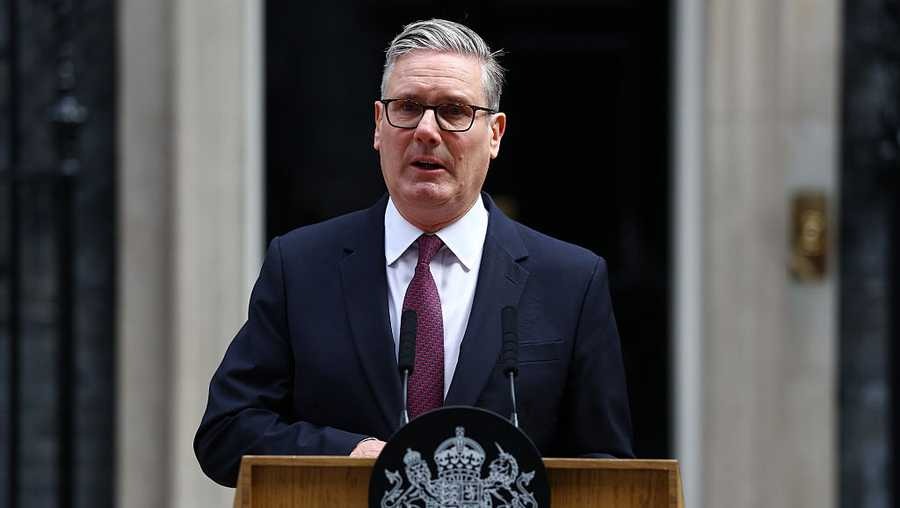
LONDON — British Prime Minister Keir Starmer announced his resignation on Monday, June 22, 2026, marking a significant political shift less than two years after his landslide election victory. Speaking from outside 10 Downing Street, Starmer confirmed he would step down as leader of the Labour Party, effectively triggering his departure as the head of the United Kingdom government once a successor is appointed.
Starmer’s decision follows weeks of intense internal party pressure and declining popularity, exacerbated by a series of electoral setbacks, including significant losses in local elections in May 2026 and a recent by-election defeat in Makerfield. The political momentum against his premiership intensified after former Manchester Mayor Andy Burnham secured a seat in Parliament last week and signaled his intent to challenge for the leadership.
Addressing the Leadership Crisis
In a televised statement, Starmer acknowledged that his parliamentary party had reached a consensus regarding his future. "The question my party is asking now is whether I am best placed to lead us into the next general election," he said. "I have heard the answer of my parliamentary party to that question, and I accept that answer with good grace."
Starmer, who took office in July 2024, vowed to ensure an "orderly handover of power." He confirmed that he has informed King Charles III of his decision to resign. While he will remain in his role as caretaker Prime Minister until the Labour Party concludes its leadership process, the search for a new leader is expected to be swift.
The Path to Transition
Following the announcement, Andy Burnham confirmed he would put himself forward as a candidate for the Labour leadership. As a former Greater Manchester Mayor who recently returned to Westminster, Burnham is widely viewed as the frontrunner to succeed Starmer.
The timeline for the transition depends on whether the Labour Party conducts an internal leadership contest. If the party unites behind a single candidate, a new leader could be in place by mid-July. If a full contest is triggered, the process will extend until Parliament returns from its summer recess in September.
Official Sources
10 Downing Street: Official government statements regarding the resignation and the transition of power.
Labour Party (UK): Corporate communications regarding the upcoming leadership contest and party transition.
Quote Section
"Every decision I have taken has been about putting the country I love first," Starmer said during his resignation speech. "That is why I will resign as leader of the Labour Party. I will do everything I can to ensure an orderly handover of power."
Why It Matters
Starmer’s resignation represents a dramatic reversal of fortunes for a leader who secured a commanding majority in 2024. The transition of power will be closely watched by domestic and international observers, as it heralds the arrival of the United Kingdom’s seventh prime minister in a decade. For the public, the change in leadership will dictate the direction of the government's economic and social policies ahead of the next national cycle.
Key Facts at a Glance
Resignation Date: June 22, 2026.
Succession Timeline: Caretaker status until a successor is chosen, likely between mid-July and September.
Primary Challenger: Andy Burnham has officially confirmed his bid for the Labour leadership.
Triggering Event: Recent electoral losses, culminating in a significant by-election defeat in Makerfield.
FAQ
1. Why did Keir Starmer resign?
Starmer resigned following pressure from his own party members in Parliament, citing a lack of confidence in his ability to lead the Labour Party into the next general election.
2. Who will replace Keir Starmer?
Former Manchester Mayor Andy Burnham has confirmed his intent to run for the leadership and is currently seen as the frontrunner to succeed Starmer.
3. When will the new Prime Minister take office?
Starmer will remain in post as caretaker Prime Minister until a new leader is elected. Depending on whether a formal contest is held, this could happen as early as mid-July or by September.
4. How long was Keir Starmer in office?
Sir Keir Starmer served as Prime Minister from July 5, 2024, until his resignation in June 2026, totaling nearly two years in office.
Source: 10 Downing Street, Labour Party, Associated Press