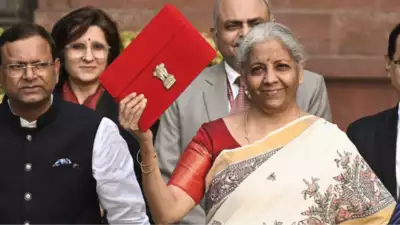
Finance Minister Nirmala Sitharaman presented the *Union Budget 2025* on February 1, 2025, outlining a transformative roadmap to achieve India’s *Viksit Bharat* (Developed India) goal by 2047. The budget balances fiscal prudence with strategic investments across critical sectors.
...
Finance Minister Nirmala Sitharaman presented the *Union Budget 2025* on February 1, 2025, outlining a transformative roadmap to achieve India’s *Viksit Bharat* (Developed India) goal by 2047. The budget balances fiscal prudence with strategic investments across critical sectors.
## Taxation Reforms
- *No income tax* for annual earnings up to ₹12 lakh, benefiting middle-class households.
- *TDS on rent* limit raised from ₹2.4 lakh to ₹6 lakh, easing compliance for small taxpayers.
- *36 life-saving drugs* fully exempted from customs duty, reducing healthcare costs.
- Simplified *Income Tax Act* to improve ease of compliance and reduce litigation.
## Economic Growth & Fiscal Targets
- *GDP growth* projected at *6.3–6.8%* for FY26, with structural reforms in land, labor, and deregulation.
- *Fiscal deficit* target set at *4.5% of GDP* for FY26, down from 4.9% in FY25.
- *Capital expenditure* maintained at ₹11.1 lakh crore for infrastructure development.
## Sectoral Allocations & Initiatives
### Agriculture & Rural Development
- *PM Dhan Dhanya Krishi Yojana* targets 100 low-productivity districts, benefiting *1.7 crore farmers*.
- Six-year program for *Atmanirbharta in pulses* (tur, urad, masoor).
- Enhanced credit support for MSMEs and startups.
### Healthcare & Education
- *75,000 new medical seats* added over five years.
- *Ayushman Bharat* funding increased for wider healthcare coverage.
- *AI Centre of Excellence* for education with ₹500 crore allocation.
### Infrastructure & Green Energy
- *Urban development reforms* under PM Gati Shakti.
- *Renewable energy* push with incentives for EV manufacturing and solar projects.
- *Udan Scheme* expanded to 120 new destinations.
### Social Welfare & Inclusion
- *Women empowerment* via skill development and startup funding.
- *Internet connectivity* for all government schools and hospitals.
- Enhanced *MGNREGA allocation* to support rural employment.
## Fiscal Strategy
- *Gross tax revenue* projected at ₹38.4 lakh crore[10], with GST collections rising to ₹10.62 lakh crore.
- *Disinvestment target* maintained at ₹50,000 crore.
- *Debt-to-GDP ratio* roadmap aligns with long-term fiscal stability.
## Conclusion
Budget 2025 prioritizes *inclusive growth*, leveraging reforms in taxation, infrastructure, and technology to drive India toward its $5 trillion economy goal. By balancing fiscal discipline with strategic investments, it aims to empower farmers, MSMEs, and the middle class while advancing sustainability and global competitiveness.Finance Minister Nirmala Sitharaman presented the *Union Budget 2025* on February 1, 2025, outlining a transformative roadmap to achieve India’s *Viksit Bharat* (Developed India) goal by 2047. The budget balances fiscal prudence with strategic investments across critical sectors.
Finance Minister Nirmala Sitharaman presented the *Union Budget 2025* on February 1, 2025, outlining a transformative roadmap to achieve India’s *Viksit Bharat* (Developed India) goal by 2047. The budget balances fiscal prudence with strategic investments across critical sectors.
Taxation Reforms
- *No income tax* for annual earnings up to ₹12 lakh, benefiting middle-class households.
- *TDS on rent* limit raised from ₹2.4 lakh to ₹6 lakh, easing compliance for small taxpayers.
- *36 life-saving drugs* fully exempted from customs duty, reducing healthcare costs.
- Simplified *Income Tax Act* to improve ease of compliance and reduce litigation.
Economic Growth & Fiscal Targets
- *GDP growth* projected at *6.3–6.8%* for FY26, with structural reforms in land, labor, and deregulation.
- *Fiscal deficit* target set at *4.5% of GDP* for FY26, down from 4.9% in FY25.
- *Capital expenditure* maintained at ₹11.1 lakh crore for infrastructure development.
Sectoral Allocations & Initiatives
Agriculture & Rural Development
- *PM Dhan Dhanya Krishi Yojana* targets 100 low-productivity districts, benefiting *1.7 crore farmers*.
- Six-year program for *Atmanirbharta in pulses* (tur, urad, masoor).
- Enhanced credit support for MSMEs and startups.
Healthcare & Education
- *75,000 new medical seats* added over five years.
- *Ayushman Bharat* funding increased for wider healthcare coverage.
- *AI Centre of Excellence* for education with ₹500 crore allocation.
Infrastructure & Green Energy
- *Urban development reforms* under PM Gati Shakti.
- *Renewable energy* push with incentives for EV manufacturing and solar projects.
- *Udan Scheme* expanded to 120 new destinations.
Social Welfare & Inclusion
- *Women empowerment* via skill development and startup funding.
- *Internet connectivity* for all government schools and hospitals.
- Enhanced *MGNREGA allocation* to support rural employment.
Fiscal Strategy
- *Gross tax revenue* projected at ₹38.4 lakh crore[10], with GST collections rising to ₹10.62 lakh crore.
- *Disinvestment target* maintained at ₹50,000 crore.
- *Debt-to-GDP ratio* roadmap aligns with long-term fiscal stability.
Conclusion
Budget 2025 prioritizes *inclusive growth*, leveraging reforms in taxation, infrastructure, and technology to drive India toward its $5 trillion economy goal. By balancing fiscal discipline with strategic investments, it aims to empower farmers, MSMEs, and the middle class while advancing sustainability and global competitiveness.
Source: groww, upstox, indianexpress, ndtv, timesofondia,ey,economictimes,indianexpress,indiabudget.gov,youtube,ddnews.gov,angelone,financialexpress,businesstoday,moneycontrol