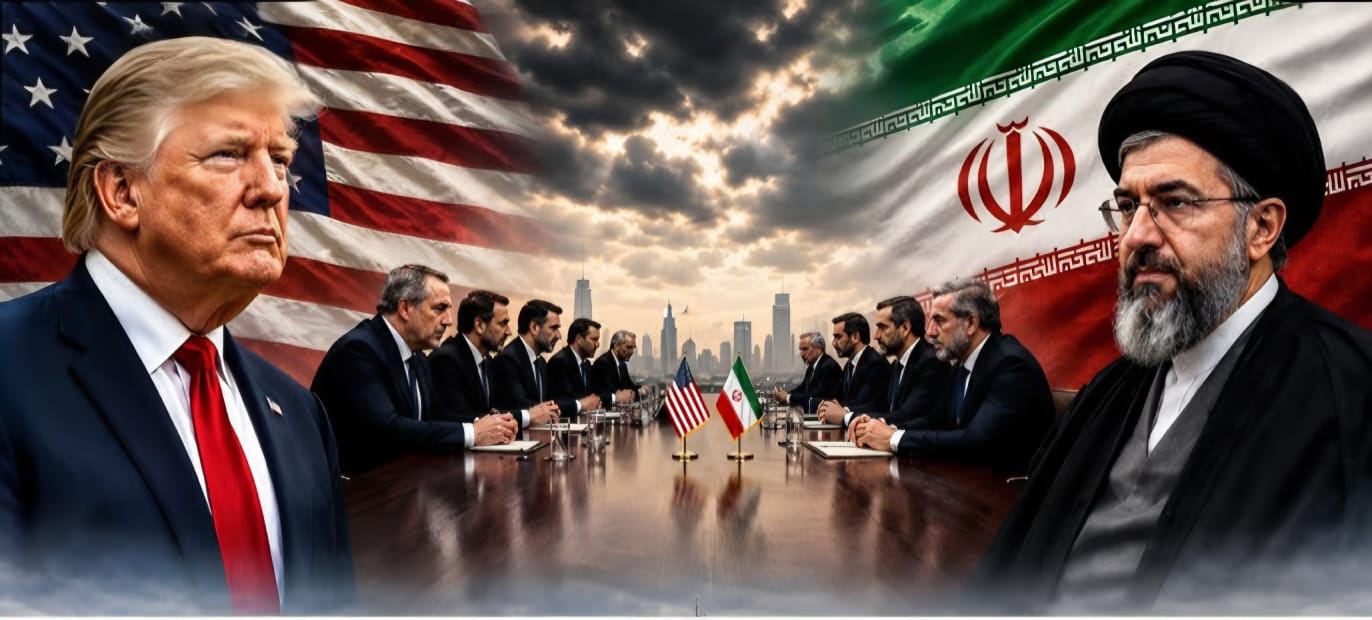
The United States and Iran are close to signing the "Islamabad Agreement," an interim deal to end their three-month maritime conflict. The framework reopens the Strait of Hormuz and establishes a 60-day ceasefire, tying $24 billion in sanctions relief to the destruction and removal of Iran's enriched nuclear material.
WASHINGTON — The United States and Iran have reached a tentative breakthrough on a sweeping memorandum of understanding (MOU) to halt a three-month-old militarized conflict that has severely disrupted international trade. Dubbed the "Islamabad Agreement," the upcoming accord establishes a critical diplomatic pathway to stabilize the volatile Middle East. Officials from both administrations confirm that while technical details are still being finalized, a formal signing ceremony could take place within days in Europe. The interim deal directly addresses the free movement of global energy supplies and initiates a strict timeframe for the permanent resolution of Iran's disputed nuclear program.
Brokering a Ceasefire in a Destructive Conflict
The impending agreement follows weeks of high-intensity, back-channel diplomacy coordinated by mediating envoys from Pakistan and Qatar. The multi-front war, which broke out earlier this year, led to a localized American naval blockade of Iranian ports and retaliatory kinetic strikes on key energy hubs.
The resulting shipping disruptions inside the Persian Gulf sent shockwaves through international financial institutions and triggered a sharp spike in global Brent crude benchmarks. The core architecture of the newly drafted MOU creates an immediate 60-day regional ceasefire window, encompassing active proxy battlefields in Lebanon, to allow senior negotiators to hammer out an enforceable, long-term treaty.
Five Key Terms of the Looming US-Iran Accord
The emerging diplomatic text relies on a strict, performance-based layout rather than mutual trust. According to disclosures from senior White House officials and verified Iranian state media reports, the initial framework contains five foundational pillars:
1. Immediate Reopening of the Strait of Hormuz
Iran will completely lift its maritime hold on the Strait of Hormuz, clearing defensive mines and allowing international commercial traffic to return to pre-war volumes within 30 days. Under the text, Tehran is prohibited from charging arbitrary transit "tolls" or service fees, while the United States will simultaneously dismantle its counter-blockade of Iranian commercial ports.
2. Removal and Destruction of Highly Enriched Uranium
The agreement establishes a definitive mechanism to neutralize Iran's weaponization risks. Tehran’s entire stockpile of highly enriched uranium will be systematically down-blended and diluted inside the country under strict international observation, before being permanently extracted and transferred directly into United States custody.
3. Dismantling and Freezing of Nuclear Infrastructure
The MOU commits Iran to a long-term halt—vetted for a 15- to 20-year duration—on all fissile material enrichment activities above civilian power generation thresholds. The text requires the structural dismantling of key enrichment cascades, including facilities heavily impacted during past cross-border military strikes.
4. Phased Release of Frozen Financial Assets
In exchange for verified compliance, Iran will regain access to approximately $24 billion in overseas financial assets currently restricted by Western sanctions. Rejecting Tehran's demands for immediate upfront cash injections, Washington has anchored the funds in an escrow framework, releasing tranches only after United Nations observers verify the physical destruction of nuclear components.
5. Implementation of a Enforceable UN Inspection Regime
To prevent secret deviations, the accord reinstates an absolute, unhindered monitoring protocol led by the International Atomic Energy Agency (IAEA). Inspectors will receive round-the-clock, automated tracking privileges across all known and suspected nuclear laboratories, research stations, and military supply supply corridors.
Regional Friction and Allied Skepticism
The sudden breakthrough has sparked notable tension among traditional American allies in the Middle East. Diplomatic sources indicate that Israeli Prime Minister Benjamin Netanyahu was caught off guard by the White House announcement, leading to frantic informational exchanges between Jerusalem and Washington.
While the United States insists that the deal fully preserves Israel’s inherent right to self-defense against regional proxy forces, regional defense planners remain skeptical that a 60-day diplomatic window will successfully halt Iran’s broader ballistic missile manufacturing programs.
Official Sources Section
According to official executive press pools monitored at the White House and diplomatic statements circulated by the Ministry of Foreign Affairs of Iran, both state delegations have accepted the core text of the memorandum. Detailed policy briefs published by the [suspicious link removed] reiterate that no sanctions relief will be legally authorized until physical compliance metrics are fully satisfied on the ground.
Quote Section
"The terms that Iran leaked out to the fake news have nothing to do with the terms that were agreed to, in writing," stated U.S. President Donald Trump during an Oval Office brief, addressing premature media reports out of Tehran. "The negotiating team has got us in a very good spot... we’re not quite at the finish line yet, but we are very close."
"A memorandum of understanding has never been closer," stated Iranian Foreign Minister Abbas Araghchi via an official national security brief. "Pending its finalization, the media should refrain from entering speculation about its content. Details will be made public in due course."
"If we see them honoring their end of the bargain, it's going to be very good for Iran," an anonymous senior U.S. administrative official told reporters. "And if we see them not honoring their end of the bargain, then they're not going to get anything out of it."
Why It Matters
The potential signing of the Islamabad Agreement carries immense practical weight for global consumers, commodity markets, and maritime logistics companies. The Strait of Hormuz serves as the transit highway for nearly one-fifth of the world’s liquefied natural gas and close to 25% of global oil shipments.
Unblocking this bottleneck will immediately lower global energy costs, ease inflationary pressures on manufacturing supply chains, and reduce astronomical insurance premiums currently imposed on merchant shipping lines operating in the Middle East.
Key Facts at a Glance
Ceasefire Window: The framework establishes an immediate, 60-day pause in fighting across the region to facilitate deeper non-proliferation talks.
Hormuz Chokepoint: The Strait of Hormuz will reopen to all commercial shipping traffic within 30 days without any transit fees or tolls.
Nuclear Dilution: Iran's highly enriched uranium stockpile must be blended down inside the country and surrendered directly to the United States.
Conditional Billions: Release of $24 billion in frozen Iranian assets is strictly tied to physical verification of dismantled nuclear arrays.
Supreme Sign-off: While negotiators have finalized the text, the entire deal still requires the final signature of Iran's Supreme Leader Mojtaba Khamenei.
FAQ Section
Q1: What is the primary focus of the 60-day negotiation period?
A1: The 60-day window is designed to give diplomatic teams the time needed to turn the broad terms of the MOU into a permanent treaty covering ballistic missile ranges and regional proxy funding.
Q2: Will Iran be allowed to keep any of its highly enriched uranium?
A2: No. Under the terms of the pending accord, all highly enriched material must be destroyed on-site via down-blending and subsequently shipped out of Iran.
Q3: Is Israel a formal party to these diplomatic negotiations?
A3: No, Israel is not a direct participant in the Islamabad Agreement. However, U.S. officials maintain that the framework ensures Israel retains its full right to self-defense.
Source: Official diplomatic logs from the [suspicious link removed], direct ministerial briefs from the Ministry of Foreign Affairs of Iran, operational data from the Council on Foreign Relations, and regional coverage from Times of India and The Times of Israel.