US-based think tank CSIS has unveiled a 30-point economic reform wishlist for India, proposing a ten-year plan to privatize all CPSEs and integrate oil, gas, and alcohol into the GST framework. The agenda aims to boost global competitiveness, streamline compliance, and accelerate long-term GDP growth.
A Washington-based research organization has issued a comprehensive 30-point reform agenda urging New Delhi to privatize all CPSEs and expand GST coverage.
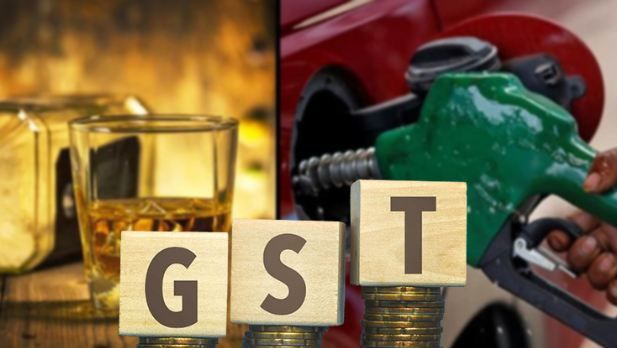
The Center for Strategic and International Studies (CSIS), a prominent US-based think tank, released a comprehensive economic policy wishlist on July 21, 2026, aimed at accelerating India's long-term GDP growth. According to official reports and policy statements, the proposed agenda outlines 30 critical reforms for the Indian government to pursue, featuring a structured ten-year timeline for privatizing all Central Public Sector Enterprises (CPSEs). The recommendations also advocate for bringing petroleum products, natural gas, alcohol, real estate, and electricity under the ambit of the Goods and Services Tax (GST).
The policy roadmap is designed to improve the ease of doing business, enhance global competitiveness, and attract greater foreign direct investment (FDI). While the Indian government has already executed three of the recommended changes—including the passage of the Jan Vishwas Bill 2.0, nuclear sector liberalization for private entities, and early GST slab rationalizations—other structural changes remain under evaluation.
Comprehensive Structural Overhaul and Privatization
The CSIS wishlist categorizes suggested policy shifts into easily implementable measures and complex structural hurdles. Among the more ambitious proposals is a decadal plan to phase out state ownership across all CPSEs and reduce government equity stakes in public sector banks down to 33 percent.
According to Richard Rossow, Chair of India and Emerging Asia Economics at CSIS, streamlining the land acquisition process and expanding indirect tax frameworks are vital for removing longstanding friction in industrial expansion. The think tank also recommended establishing a single unified digital portal to integrate compliance submissions across customs, the Directorate General of Foreign Trade (DGFT), ports, banks, and shipping lines.
Impact on Businesses, Investors, and Consumers
For corporate investors and commercial enterprises, the adoption of these structural reforms could drastically lower compliance costs and improve supply chain predictability. Bringing energy products like oil and natural gas under the GST regime would eliminate cascading tax burdens, providing substantial relief to manufacturing businesses and retail consumers alike.
Financial market participants note that increased foreign institutional investor (FII) headroom and transparent inbound FDI tracking would deepen capital markets. However, economists emphasize that executing complex land and labor reforms requires careful consensus-building across state and central jurisdictions.
Why It Matters
For India's macroeconomic trajectory, the proposed reforms address critical bottlenecks in taxation, public asset utilization, and industrial land acquisition. Implementing these recommendations could enhance global export competitiveness, lower energy costs for consumers, and position the country to achieve higher sustained GDP growth over the next decade.
Key Facts at a Glance
Proposing Organization: Center for Strategic and International Studies (CSIS).
Total Reforms Suggested: 30 economic and structural policy changes.
Key Proposals: Ten-year privatization plan for all CPSEs; integrating oil, gas, and alcohol into GST.
Already Completed Actions: Jan Vishwas Bill 2.0 passage, nuclear sector opening, and initial GST rationalization.
Frequently Asked Questions
Which organization proposed the new economic reform agenda for India?
The reform agenda was proposed by the US-based think tank Center for Strategic and International Studies (CSIS).
What are the primary taxation changes recommended in the wishlist?
The think tank suggested bringing petroleum products, natural gas, alcohol, real estate, and electricity under the ambit of the GST framework.
What is the timeline suggested for privatizing CPSEs?
The proposal outlines a structured ten-year plan for the complete privatization of all Central Public Sector Enterprises (CPSEs).
Source: Center for Strategic and International Studies (CSIS), The Economic Times, Ministry of Finance, Government of India