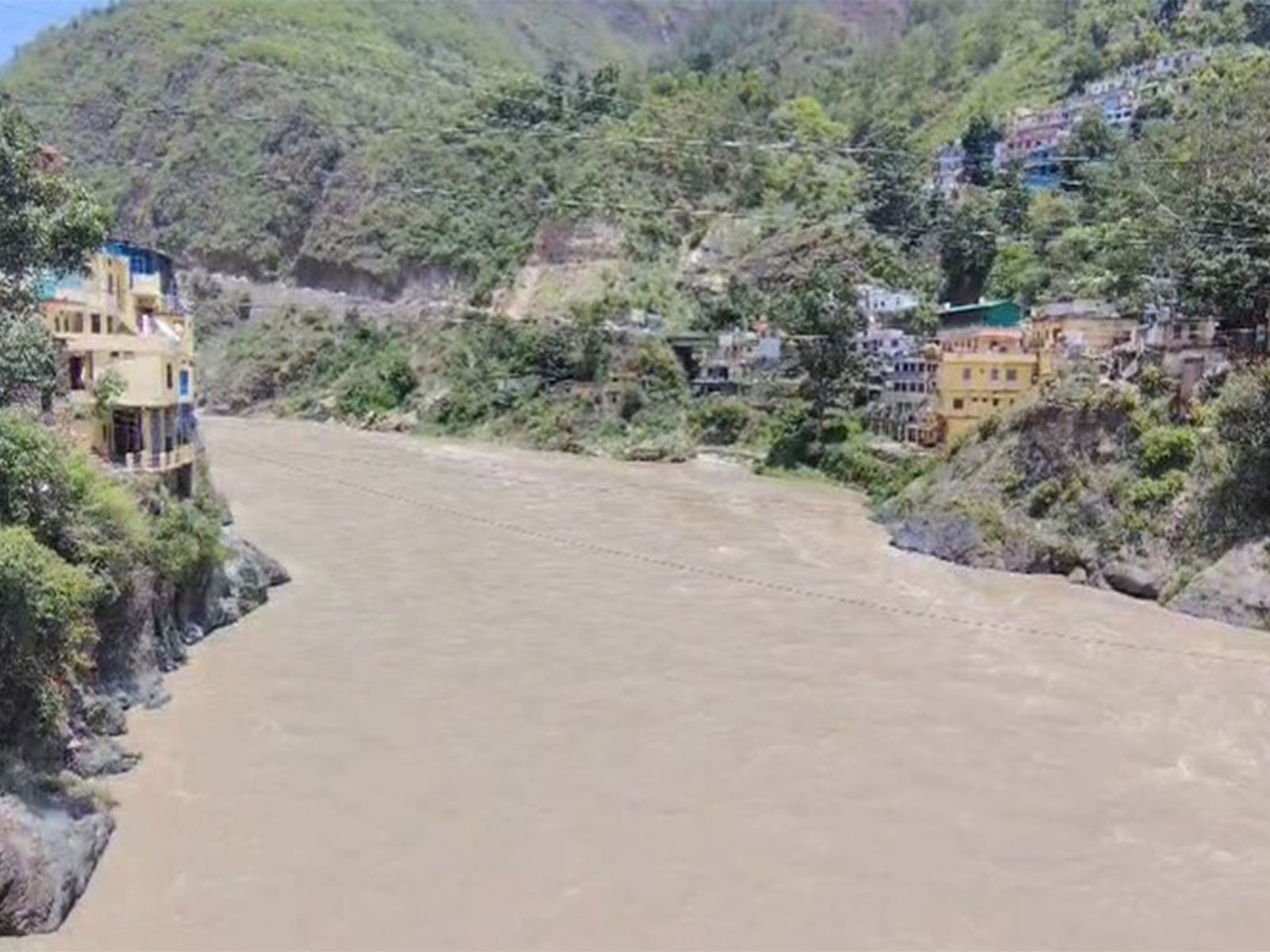
Continuous heavy rainfall in Uttarakhand’s upper reaches has caused the Alaknanda and Mandakini rivers to swell. While water levels remain below the danger mark, the administration has issued high alerts for Chamoli and Rudraprayag. Pilgrims and residents are urged to avoid vulnerable areas as disaster teams monitor rising inflows.
Local administration intensifies monitoring and issues urgent safety advisories as persistent rainfall in the Himalayas pushes river levels toward the warning mark.
RUDRAPRAYAG, Uttarakhand — Authorities in Uttarakhand’s Chamoli and Rudraprayag districts have issued high-alert notices for residents and pilgrims as the Alaknanda and Mandakini rivers continue to swell following days of relentless heavy rainfall in the upper Himalayan reaches. As of Saturday, July 4, 2026, the Alaknanda River was recorded at 623.10 meters above sea level, prompting district disaster management teams to bolster surveillance and safety protocols.
While the water levels remain below the critical danger threshold of 627 meters, the steady rise has triggered precautionary measures across the region. With the India Meteorological Department (IMD) maintaining active rainfall alerts, the district administration has urged those living along riverbanks and travelers on popular pilgrimage routes to exercise extreme caution and strictly adhere to official safety guidelines.
Disaster Management Response
The local administration has established a robust alert system to manage the evolving situation. Nandan Singh Rajwar, District Disaster Management Officer (DDMO), confirmed that officials are maintaining 24/7 monitoring of river inflows.
"The warning level is 626 meters above sea level, and the dangerous level is 627 meters," Rajwar stated. "When the water level approaches the warning level, alerts are disseminated via WhatsApp groups, and announcements are made using vehicles, while ground personnel are deployed to warn people in vulnerable areas."
The administration has also taken proactive steps to protect pilgrims and tourists. Movement on sections of the Kedarnath Yatra route and the Sonprayag-Munkatiya road has been temporarily suspended to prevent accidents caused by debris or landslides. Residents have been specifically advised to avoid riverbeds, streams, and areas prone to landslides until weather conditions stabilize.
Impact of Monsoon Activity
The monsoon, which arrived in Uttarakhand on June 30, has turned active across the state, bringing intermittent heavy rain and thunderstorms. In addition to the alert in Chamoli and Rudraprayag, the IMD’s Dehradun office has placed five other districts—Nainital, Dehradun, Haridwar, Pauri Garhwal, and Udham Singh Nagar—under an orange alert, forecasting light to moderate rainfall and thunderstorms.
Transport infrastructure has faced notable disruptions as falling debris and stones from hillsides have intermittently hampered traffic on the Badrinath National Highway. The state government, led by Chief Minister Pushkar Singh Dhami, recently reviewed pre-monsoon preparedness through statewide mock drills to ensure inter-departmental coordination during the ongoing heavy rainfall period.
Why It Matters
For citizens and businesses, the current river swell highlights the persistent vulnerability of Himalayan infrastructure during the monsoon. For the thousands of pilgrims participating in annual yatras, the alert underscores the importance of real-time monitoring and strict compliance with local advisories. The administration’s rapid-response measures are critical in preventing casualties as the state navigates the peak monsoon phase.
Key Facts at a Glance
Current Levels: The Alaknanda River was recorded at 623.10 meters as of July 4, 2026.
Warning Thresholds: The warning mark is 626 meters, with the danger mark set at 627 meters above sea level.
Safety Measures: Pilgrimage routes and local roads, including the Sonprayag-Munkatiya road, have faced temporary suspensions due to landslide risks.
Statewide Outlook: Orange alerts remain in place for five additional districts, with heavy rain predicted for the coming days.
FAQ
Is the situation currently considered dangerous?
While river levels are rising, authorities report they remain below the danger mark of 627 meters. However, the situation is being closely monitored due to continuous rainfall.
What should pilgrims and tourists do?
Pilgrims are advised to follow all local advisories, avoid riverbanks and landslide-prone areas, and check real-time weather and road condition updates before traveling.
How is the administration alerting the public?
Alerts are being sent through dedicated WhatsApp groups, public announcements via vehicles, and ground-level alerts from disaster management personnel.
Source: India Meteorological Department (IMD), District Disaster Management Authority, Rudraprayag, ANI News