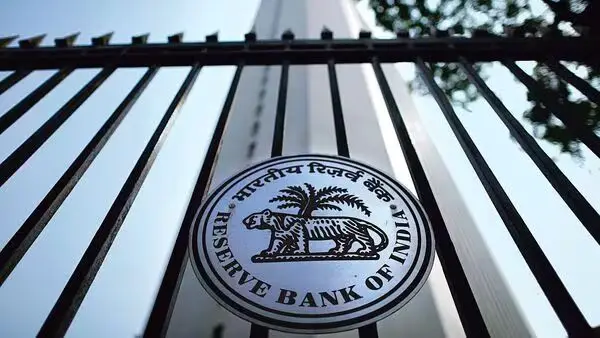
A major development has emerged in the regulatory landscape for TVS Supply Chain Solutions Limited, as the Reserve Bank of India’s Foreign Exchange Department in Mumbai issued a compounding order to the company. This order, dated August 4, 2025, addresses specific contraventions under the F...
A major development has emerged in the regulatory landscape for TVS Supply Chain Solutions Limited, as the Reserve Bank of India’s Foreign Exchange Department in Mumbai issued a compounding order to the company. This order, dated August 4, 2025, addresses specific contraventions under the Foreign Exchange Management Act (FEMA) and related regulations, shining a spotlight on how even top corporates must remain vigilant on compliance in cross-border investments.
Behind the Order: Key Highlights of the Case
TVS Supply Chain Solutions filed for compounding with the RBI after it self-identified contraventions related to its overseas investments and reporting practices.
The Reserve Bank, upon review, found the company to have:
Undertaken divestment and acquired equity shares in foreign entities without strictly following prescribed valuation procedures.
Made further financial commitments in a foreign entity before regularizing certain previous delays in reporting to regulators.
The contraventions specifically concerned Regulation 16(1)(iii) of the Foreign Exchange Management (Transfer and Issue of any Foreign Security) Regulations, 2004; Rule 16(1) of the Foreign Exchange Management (Overseas Investment) Rules, 2022; and Regulation 12 of the Foreign Exchange Management (Overseas Investment) Regulations, 2022.
Financial Penalty Imposed
As a result of the findings, the RBI imposed a compounding fee of ₹11.75 lakh (Eleven Lakhs and Seventy-Five Thousand).
TVS Supply Chain is required to deposit the compounding amount within a stipulated period, aligning with the RBI’s updated guidelines on foreign exchange contraventions and compounding mechanisms.
No Major Impact on TVS Supply Chain’s Business or Financial Health
TVS Supply Chain Solutions has formally notified the exchanges that the RBI’s order does not materially impact the company’s financials or day-to-day operational activities.
This measured response is consistent with the company’s recent financial performance: For the financial year ended March 2025, TVS Supply Chain reported revenues of about ₹100,541 million (up 8.7% over the previous year), a narrowing loss of ₹96 million, and no significant changes in debt levels or liquidity position, signaling robust financial health and ongoing business momentum despite the regulatory event.
What Are Compounding Orders and Why Do They Matter?
Under the updated 2025 RBI compounding guidelines, companies found in contravention of FEMA regulations can voluntarily approach the central bank to regularize such issues by paying a compounding fee.
The compounding amount is calculated based on factors including the nature and amount of the contravention, undue gains, and repetition of the violation—but with an upper cap set at 300% of the defaulted sum.
The RBI’s 2025 Master Direction on Compounding lays out clear ineligibility rules (such as for repeat or serious violations), and mandates prompt payment once a compounding order is issued.
The Bigger Picture: Corporate Governance and Cross-Border Investments
This episode highlights the increased scrutiny and stringency under which Indian companies now operate, especially on overseas investments and related party transactions.
It showcases the growing importance of robust compliance frameworks within diversified groups like TVS Supply Chain, especially as they increasingly leverage global expansion and cross-border operations for growth.
Takeaway for Investors and Stakeholders
Market data as of July 31, 2025, shows TVS Supply Chain Solutions trading at ₹127.25 per share, with a market capitalization of over ₹5,600 crore. The share price has seen a downward trend in the past year but remains buoyed by stable revenues and improving returns on employed capital.
With the compounding order now resolved and no expected business disruption, investors can remain focused on the company’s fundamentals and ongoing operational execution.
Source: Company filings, BSE announcements, and current RBI regulatory guidelines.