Independence Day is celebrated on July 4th because the Second Continental Congress adopted the Declaration of Independence on that date in 1776. While the legal vote for separation occurred on July 2nd, the Declaration became the public symbol of the nation's founding, evolving into a major federal holiday.
The United States celebrates Independence Day on July 4th to commemorate the historic adoption of the Declaration of Independence in 1776, a pivotal moment that formally signaled the separation of the Thirteen Colonies from British rule.
PHILADELPHIA — As the United States marks its 250th anniversary of independence, the question of why July 4th remains the nation’s focal point for celebration continues to resonate. While the American Revolutionary War had already been underway for over a year, the events of July 1776 established the formal legal and moral foundation for a new, sovereign nation.
The Origins of Independence
The journey toward independence reached a critical juncture on July 2, 1776, when the Second Continental Congress in Philadelphia voted to approve the "Lee Resolution," a motion introduced by Richard Henry Lee of Virginia to officially sever political ties with the Kingdom of Great Britain. John Adams, a leading voice for independence, famously predicted that the second of July would be celebrated by future generations as the "great anniversary festival."
However, history followed a different path. While July 2nd marked the legal vote for independence, it was July 4th that solidified the public identity of the movement. On that day, the Continental Congress unanimously adopted the final text of the Declaration of Independence, a document authored primarily by Thomas Jefferson. The Declaration provided the philosophical justification for the colonies' actions, asserting that "all Men are created equal" and possess unalienable rights to "Life, Liberty, and the pursuit of Happiness."
Why July 4th Prevailed
Historians note that the date became the permanent fixture of the American calendar because the Declaration itself was the document disseminated to the public. John Dunlap, the printer commissioned by Congress, produced 200 copies that were distributed across the colonies. Because this document bore the date of July 4, 1776, it became the reference point for public celebrations from the very first anniversary.
Although many delegates did not actually sign the physical parchment version of the Declaration until August 2, 1776, the adoption of the text on July 4th served as the symbolic birth of the nation. Over the following decades, what began as local, spontaneous celebrations evolved into a massive national tradition. By 1870, Congress officially recognized July 4th as a federal holiday.
Impact on National Identity
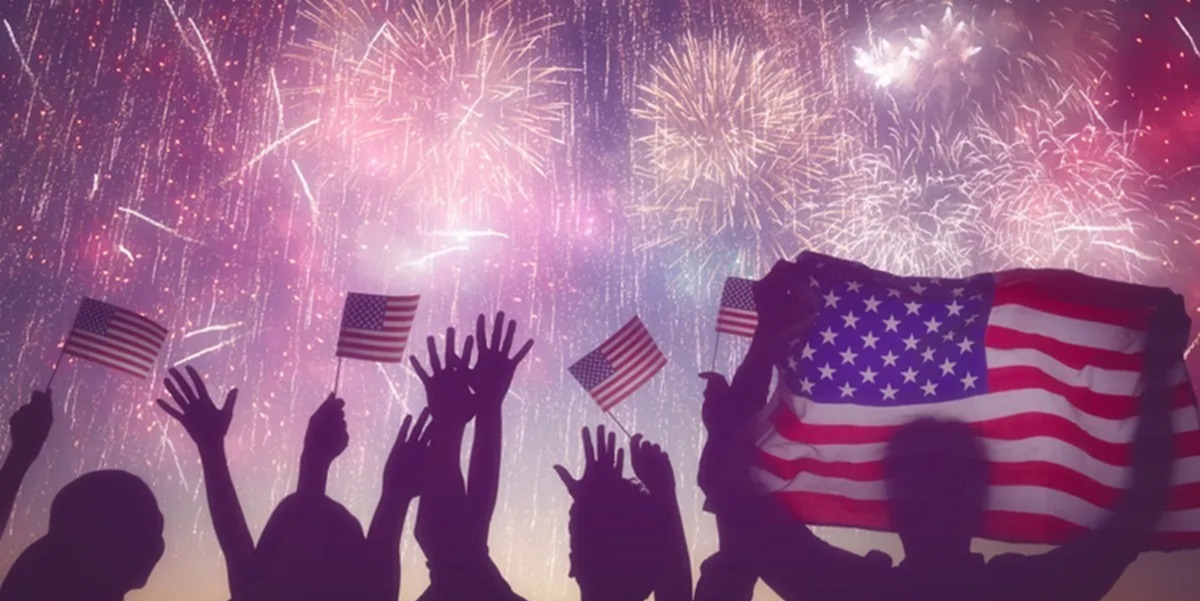
The significance of the holiday has shifted throughout American history. In the 19th century, it became a platform for political discourse, with abolitionists using the day to highlight the contradictions between the Declaration's ideals and the reality of slavery. Today, the day serves as a unifying secular celebration, marked by parades, fireworks, and civic ceremonies that emphasize national cohesion.
"These monumental triumphs are the legacy of the men who willed our great Republic into existence," a recent presidential message commemorating the 250th anniversary noted, underscoring that the "American adventure" began with the adoption of those foundational truths in 1776.
Why It Matters
Understanding the distinction between the date of the independence vote (July 2) and the adoption of the Declaration (July 4) provides essential context for American history. It illustrates how the symbolic power of the written word—in this case, the Declaration’s articulation of equality and sovereign rights—became more impactful in the American consciousness than the procedural actions of the legislature.
Key Facts at a Glance
Legal vs. Symbolic: The vote for independence occurred on July 2, but the Declaration was adopted on July 4, 1776.
The Author: Thomas Jefferson drafted the Declaration of Independence in isolation over 17 days.
Federal Recognition: Independence Day was officially made a federal holiday by an Act of Congress in 1870.
Signatures: While commonly associated with July 4, most historians believe the formal signing of the parchment Declaration took place on August 2, 1776.
Frequently Asked Questions
Was the Declaration of Independence signed on July 4, 1776?
Most historians agree that while the text was adopted on July 4th, the actual signing of the final parchment document occurred nearly a month later, on August 2, 1776.
Why did John Adams think July 2 would be the holiday?
Adams believed July 2nd would be the "most memorable epoch" because that was the day the Continental Congress officially voted to approve the resolution of independence.
What was the primary purpose of the Declaration of Independence?
It served to explain to the world, and specifically to European powers like France, why the Thirteen Colonies were justified in severing ties with the British Crown and seeking sovereignty.
Official Sources