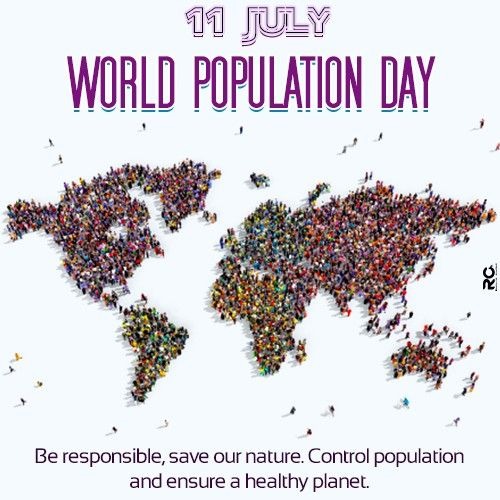
World Population Day 2026, observed on July 11, focuses on "Realizing the hopes and aspirations of young people." Established in 1989, the day emphasizes individual rights, reproductive agency, and sustainable development, encouraging global investment in youth to address the challenges of a world population exceeding 8.2 billion.
As the world marks World Population Day on July 11, the global focus shifts to investing in the potential of the largest generation of young people in history.
UNITED NATIONS — On July 11, 2026, the international community observes World Population Day, a moment dedicated to addressing the most pressing demographic challenges and opportunities facing our planet. This year, the United Nations has designated the theme: "Realizing the hopes and aspirations of young people – today and for the future."
The observance serves as a critical reminder that population dynamics are not merely about statistics, but about the lives, rights, and potential of individuals. With the global population surpassing 8.2 billion, the focus this year is on ensuring that the world's youth—the largest generation to ever enter adulthood—are equipped with the education, health resources, and rights necessary to shape a sustainable future.
Historical Significance
World Population Day traces its origins to the public interest surrounding "Five Billion Day" on July 11, 1987, the approximate date when the world's population reached five billion people. Following the success of this event, the Governing Council of the United Nations Development Programme (UNDP) established the annual observance in 1989. The first World Population Day was marked in 1990, and it has since become a global platform to highlight issues such as family planning, gender equality, maternal health, and human rights.
The 2026 Focus: Investing in Youth
The theme for 2026 emphasizes that the future of global development hinges on the agency and empowerment of the youth demographic. According to the United Nations Population Fund (UNFPA), many young people today face significant barriers to accessing education, healthcare, and employment—factors that prevent them from exercising their reproductive choices and achieving their full potential.
"This World Population Day reminds us that reproductive freedom is not just about the ability to have children, but about building a world where every young person has the power to decide for themselves, when, with whom, and how many children they will have," officials stated. The UN highlights that investing in comprehensive sexual education and youth-friendly health services is essential to navigating the complexities of modern demographic shifts.
Official Sources
According to the United Nations, the observance is coordinated by the UNFPA in collaboration with various agencies and international partners. The data presented in their flagship State of World Population report underscores a shift in global trends; while total population growth continues, the focus has moved toward addressing the "lack of reproductive agency." Official UN data collection efforts continue to advocate for reliable data systems to ensure that no individual goes uncounted, which is vital for effective policy planning and sustainable development.
Why It Matters
For citizens and policymakers alike, World Population Day is a call to action. It highlights that managing population growth through coercive means is counter-productive and often erodes human rights. Instead, the focus is on "investing in people"—a strategy proven to lead to more peaceful, prosperous, and sustainable societies. As global fertility rates fluctuate and nations grapple with aging populations or rapid urbanization, the day encourages a balanced view of demographic trends as a foundation for achieving the 2030 Agenda for Sustainable Development.
Key Facts at a Glance
Established: Created by the UNDP in 1989, inspired by "Five Billion Day" (July 11, 1987).
2026 Theme: "Realizing the hopes and aspirations of young people – today and for the future."
Primary Objective: To promote awareness of population issues, including reproductive health, gender equality, and resource sustainability.
Global Context: With the population exceeding 8.2 billion, the focus is shifting toward quality of life and individual rights rather than mere growth totals.
FAQ Section
Why is World Population Day observed on July 11? It commemorates the day the world’s population reached five billion in 1987.
What is the core message for 2026? The focus is on empowering the youth demographic by providing them with the rights, tools, and opportunities needed to shape their futures.
Does this day promote population control? No, the UN emphasizes that coercive population control is counter-productive. Instead, it promotes reproductive health, agency, and informed decision-making.
How can individuals participate? Participation often involves local community seminars, awareness rallies, and supporting programs that focus on reproductive healthcare and education.
Source: United Nations, UNFPA, Next IAS